Blog / About Buick GMC

Blog

All About Buick GMC Fruitland Park GMC Dealer Fruitland Park Buick Dealer Used Vehicles GMC Trucks GMC Sierra Vehicle Features & Updates Phillips Buick GMC Phillips Buick GMC Service About GMC Buick Enclave Buick Envision Fruitland Park Used Cars GMC Terrain GMC Yukon Buick Encore GX Contests & Giveaways Fruitland Park Buick Service GMC Hummer EV SUVs Buick Envista Discounts GMC Acadia GMC Canyon Phillips Buick GMC Discount Staff Spotlight Trim Colors Vehicle Highlights & Features
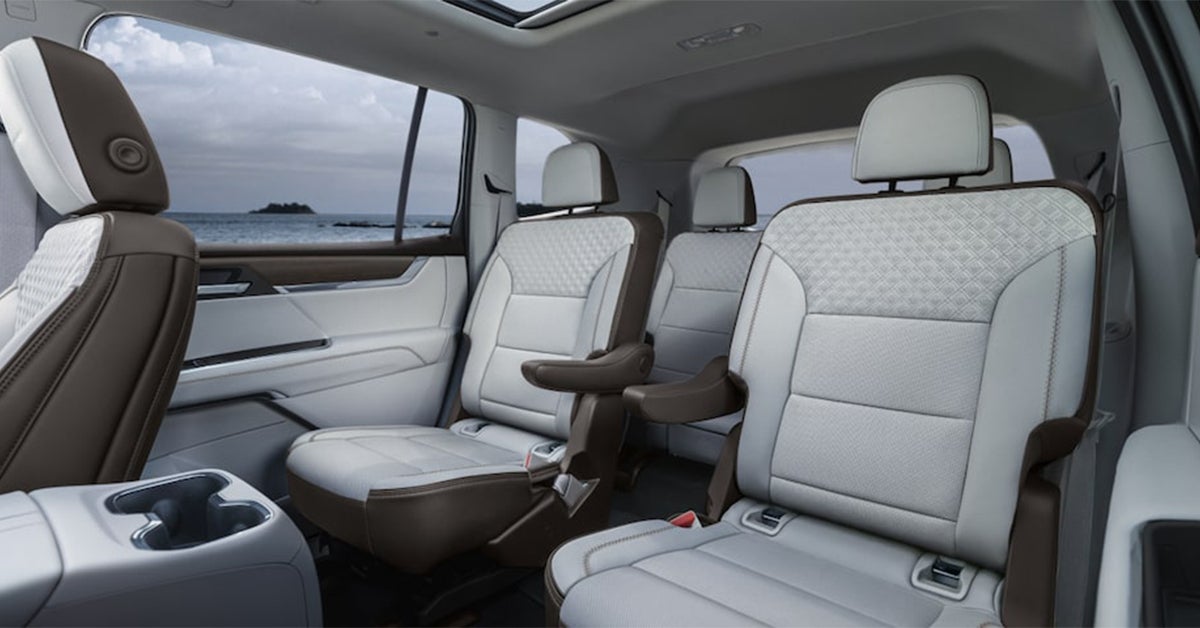
2025 GMC Acadia Interior Seating

Seating Capacities in the 2025 GMC Lineup

When it comes to finding the right vehicle, seating capacity matters—whether you need a rugged pickup for work, an SUV with third-row seating for family trips, or something in between. The 2025 GMC lineup delivers on comfort, versatility, and premium features across models like the Sierra, Yukon, and Acadia. At Phillips Buick GMC, we’re here to help you find the perfect GMC that fits your needs. Whether you’re cruising through Leesburg, Yalaha, Rutland, Haines Creek, or Weirsdale, we’ve got a vehicle with the right number of seats—and the right level of luxury—for you. Stop by our dealership or contact us today to explore your options and experience GMC comfort firsthand! How many seats does the 2025 GMC Sierra 1500 have? The 2025 GMC Sierra 1500 seats up to six passengers, depending on the cab configuration. How many seats does the 2025 GMC Sierra HD have? The 2025 GMC Sierra HD offers seating for up to six passengers, based on trim and cab choice. How many seats does the 2025 GMC Canyon have? The 2025 GMC Canyon has seating for up to five passengers in its Crew Cab configuration. How many seats does the 2025 GMC Acadia have? The 2025 GMC Acadia seats up to seven passengers with its three-row seating configuration. How many seats does the 2025 GMC Terrain have? The 2025 GMC Terrain has seating for five passengers in two rows. How many seats does the 2025 GMC Hummer EV SUV have? The 2025 GMC Hummer EV SUV provides seating for up to five passengers. How many seats does the 2025 GMC Hummer EV Pickup have? The 2025 GMC Hummer EV Pickup seats up to five passengers. How many seats does the 2025 GMC Sierra EV have? The 2025 GMC Sierra EV offers seating for up to five passengers. How many seats does the 2025 GMC Yukon have? The 2025 GMC Yukon seats up to eight passengers, with an option for seven seats with captain’s chairs. How many seats does the 2025 GMC Yukon XL have? The 2025 GMC Yukon XL provides seating for up to eight passengers, with an option for seven seats in select trims. How many seats does the 2025 GMC Savana Cargo have? The 2025 GMC Savana Cargo Van has seating for two passengers in the front. How many seats does the 2025 GMC Savana Passenger have? The 2025 GMC Savana Passenger Van can seat up to 15 passengers, depending on configuration. How many seats does the 2025 GMC Savana Cutaway have? The 2025 GMC Savana Cutaway is customizable, with seating depending on the body upfit. How many seats does the 2025 GMC Sierra 3500 HD Chassis Cab have? The 2025 GMC Sierra 3500 HD Chassis Cab seats up to six passengers with the right cab option. Comparing GMC Seating Capacities: Which Model Fits Your Needs? Choosing the right GMC model means finding the perfect mix of space, comfort, and function. Whether you need a work truck, a family SUV, or an adventure-ready vehicle, there’s a GMC that fits your lifestyle. Some models offer extra seating, while others prioritize cargo space and versatility. Side-by-Side Seating Comparison Each GMC model offers a unique seating configuration designed to match different needs: Sierra: Seats up to six—ideal for work, towing, and off-road trips. Acadia: Seats up to seven—great for small families and daily commutes. Yukon: Seats up to eight—perfect for large families and long trips. Which Model Is Right for You? The best choice depends on your specific needs: Need extra seating? The Yukon offers the most space, with room for up to eight passengers. Looking for flexibility? The Acadia features adjustable seating, making it easy to switch between passengers and cargo. Want a mix of power and comfort? The Sierra seats up to six while maintaining strong towing capabilities. GMC Third-Row Seating: More Room When You Need It If you require a third row, an SUV is the way to go. Both the Yukon and Acadia feature fold-flat seating, providing additional space when needed. Yukon: Third-row seating with a fold-flat option Acadia: Third-row seating with a fold-flat option Sierra: No third-row seating Find the Best Fit for Your Needs For work and heavy loads: Choose a truck with strong power and flexible seating. For families and road trips: Pick an SUV with third-row seating and a spacious cabin. For a mix of both: Go for a mid-size SUV with seating for up to seven. No matter what you need, GMC offers a model with the right seating capacity for your lifestyle. Stop by Phillips Buick GMC today to find your perfect match! Luxury and Technology Features That Enhance GMC Seating GMC vehicles offer more than just space—they deliver comfort, convenience, and advanced technology to every seat. Whether you’re in the front, middle, or third row, every ride feels smooth and refined. Comfort Features for Every Passenger The seats in a GMC are designed for long drives and daily commutes, featuring soft materials and ergonomic designs to keep every passenger comfortable. Heated and ventilated seats provide year-round comfort. Power-adjustable seating allows you to find the perfect position. Memory settings make it easy to switch between drivers. Massage functions in premium trims enhance relaxation. Advanced Tech for a Better Ride GMC models are equipped with smart technology that improves every trip, making driving more enjoyable and convenient. Wireless charging keeps devices powered without messy cables. Rear climate control allows passengers to set their own temperature. USB ports in all rows keep phones and tablets charged. Power-folding seats make switching between cargo and seating effortless. GMC Third-Row Seating: Space and Convenience Larger GMC SUVs offer extra seating for family and friends, but third-row comfort can be a challenge. GMC solves this with extra legroom, soft seating, and easy access. One-touch fold-down seats allow quick adjustments. Flat-folding design creates more cargo space when needed. Wide door openings make entry and exit easier. A Premium Experience in Every Model For work trucks: Luxury features make long drives easier on your back. For family SUVs: High-end seating enhances road trip comfort. For adventure seekers: Smart storage and flexible seating let you pack with ease. Every GMC seating option is designed for comfort and convenience. Visit Phillips Buick GMC to see these features in action and find your perfect ride! Find the Perfect GMC for Your Needs Choosing the right seating capacity is key to finding a vehicle that fits your lifestyle. Whether you need a work-ready truck, a spacious SUV, or a versatile crossover, GMC has a model for you. At Phillips Buick GMC, we’re proud to serve drivers in Leesburg, Yalaha, Rutland, Haines Creek, and Weirsdale with a wide selection of vehicles. Explore our lineup, including the Sierra, Yukon, and Acadia, and find the right combination of comfort, power, and space for your needs. Our team is here to help you compare models, test features, and choose the best option. Looking for more details on trim, color, and engine options for the latest GMC models? Want to learn why your brakes may be squeaking or need expert collision and auto body repair for your Buick or GMC? We have the resources to help. Browse our latest GMC inventory here and take the next step toward your new ride. Stop by or contact us today!

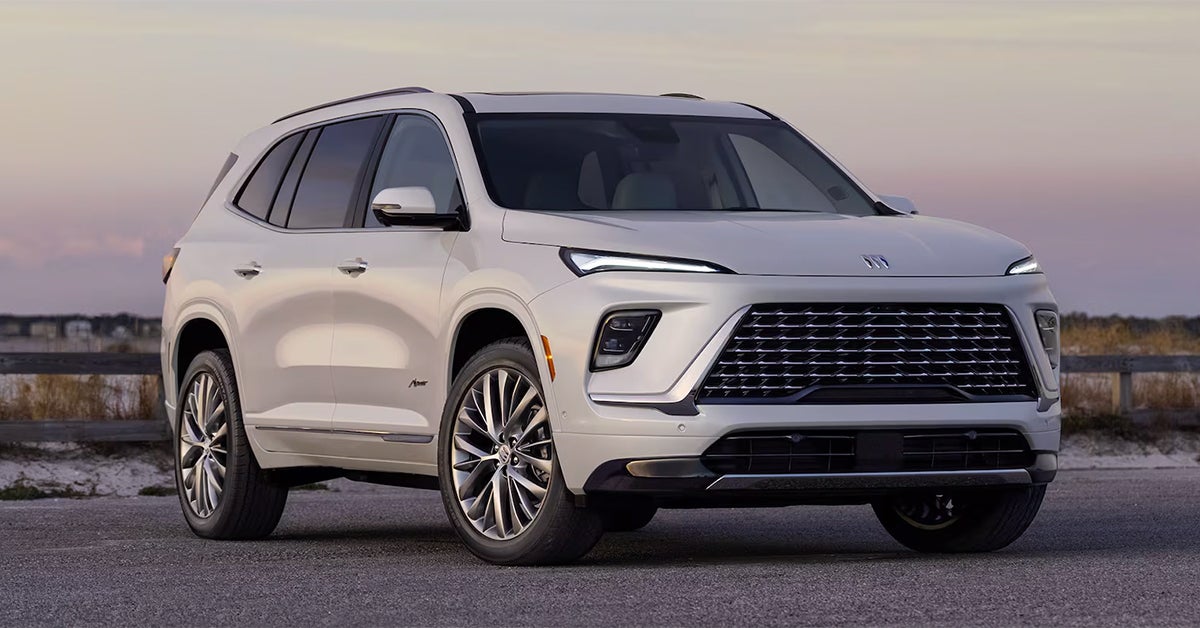
2025 Buick Enclave SUV in White

How Far Can You Get on A Full Tank of Gas in Your Buick Enclave? [2025]

Ever wondered just how far your Buick can take you on a full tank of gas? Whether you're planning a long road trip or just want to maximize your fuel efficiency, knowing your Buick’s range is key. The fuel-sipping Encore GX to the highway-cruising Enclave, Buick models are designed to go the distance. In this guide, we’ll break down the estimated fuel range for the 2025 Buick enclave and share tips to help you get the most out of every gallon. If you're looking for a fuel-efficient Buick or need expert advice on maintaining your vehicle’s performance, Phillips Buick GMC is here to help! Visit us today or contact our team to explore the latest Buick lineup and find the perfect model for your driving needs. Service Department Get Directions Contact Us How Far Can the 2025 Buick Enclave Travel on a Full Tank? The 2025 Buick Enclave is built for long drives, offering an impressive fuel range thanks to its 21-gallon fuel tank. Whether you're commuting in the city, cruising on the highway, or experiencing a mix of both, this SUV provides solid mileage before needing a refill. Estimated Driving Range City Driving: 18 MPG – Expect to travel up to 378 miles before refueling. Highway Driving: 26 MPG – On open roads, the Enclave can cover approximately 546 miles on a full tank. Combined (City & Highway): 21 MPG – A balanced mix of city and highway driving results in an estimated 441 miles per tank. ( Ranges may vary based on road conditions, driving habits, and cargo weight.) How Many Miles Before You Need to Refuel? Daily commutes: If most of your driving is in stop-and-go traffic, you can travel about 378 miles before needing to refuel. Highway trips: Expect to cover up to 546 miles on a long road trip without stopping for gas. Mixed driving: In normal driving conditions, you’ll likely get around 441 miles per full tank. The 2025 Buick Enclave delivers an excellent combination of power and fuel efficiency, making it a great choice for drivers who want both performance and long-distance capability. If you're ready for a test drive, visit Phillips Buick GMC today! Maximizing Your Buick Enclave’s Fuel Efficiency Getting the most out of every tank of gas can help you save time and money. Even small changes to your driving habits can make a big difference in fuel consumption, allowing you to go farther between fill-ups. Easy Ways to Improve Fuel Efficiency Drive smoothly – Avoid sudden starts and stops. Maintaining a steady speed helps gas last longer. Use cruise control – Keeping a consistent pace on highways reduces fuel consumption. Check tire pressure – Underinflated tires create more drag and make the engine work harder. Regularly check and maintain proper pressure. Limit extra weight – Carrying unnecessary cargo increases fuel use. Remove heavy items you don’t need. Use the right fuel – Always follow Buick’s fuel recommendations for optimal engine performance and efficiency. Reduce idling – Letting the engine run while parked wastes gas. Turn it off when waiting for long periods. Plan Ahead for Longer Trips Want to maximize your fuel range and minimize gas station stops? The Buick Enclave’s impressive fuel efficiency allows for fewer refuels. Here’s how you can make the most of each trip: Map your route – Choose the shortest and most efficient path to your destination. Avoid traffic – Stop-and-go driving burns more fuel, so plan routes that bypass congestion when possible. Use Eco Mode – Activating Eco Mode helps the engine operate more efficiently, especially during long drives. Limit AC use – Air conditioning can lower MPG, particularly in city driving, so use it wisely. With these simple steps, you can get the best mileage out of your 2025 Buick Enclave while enjoying a smooth and efficient ride. Stop by Phillips Buick GMC today to learn more about fuel-saving features and take a test drive! How the Buick Enclave’s Fuel Range Supports Long-Distance Travel A great road trip starts with the right vehicle. The Buick Enclave offers the space, comfort, and fuel range you need for long drives. With fewer stops for gas, you can focus on the journey ahead. How Far Can You Go on a Full Tank? With a 21-gallon fuel tank and an estimated 21 MPG combined, the Enclave can travel around 441 miles before needing a refill. That means you can cover: A trip from Orlando to Atlanta without stopping. The stretch from Dallas to New Orleans on one tank. A drive from Los Angeles to San Francisco with miles to spare. Why the Enclave is Ideal for Road Trips Spacious seating – Room for everyone to relax. Large cargo space – Pack more without feeling cramped. Smooth ride – Less fatigue on long drives. Great fuel range – Drive longer without frequent gas stops. If you love road trips, the Enclave is a great choice. Stop by Phillips Buick GMC to see it in person! How far can a 2025 Buick Enclave get on a full tank of gas? A 2025 Buick Enclave can travel up to 546 miles on the highway, 378 miles in the city, and approximately 441 miles combined on a full tank. How far can a 2025 Buick Encore GX get on a full tank of gas? I don’t have the exact fuel range for the 2025 Buick Encore GX. Please provide details on its MPG and fuel tank size so I can calculate the estimated range. How far can a 2025 Buick Envista get on a full tank of gas? I don’t have the exact fuel range for the 2025 Buick Envista. Please share its MPG and fuel tank capacity so I can determine the estimated mileage. How far can a 2025 Buick Envision get on a full tank of gas? I don’t have the exact fuel range for the 2025 Buick Envision. If you can provide details on its MPG and fuel tank size, I can estimate how far it can travel per tank. What factors affect the mileage I can get on a full tank in my 2025 Buick? Several factors impact your Buick’s fuel range, including driving habits, road conditions, cargo weight, tire pressure, and use of air conditioning. Does driving style or road conditions significantly impact fuel range? Yes, aggressive driving, frequent acceleration, stop-and-go traffic, and steep inclines can lower fuel efficiency, while steady speeds on highways help maximize range. Which Buick models offer the longest driving range on a single tank? The 2025 Buick Enclave has one of the longest ranges, offering up to 546 miles on the highway. Other models may have different fuel capacities and efficiency levels, so exact comparisons depend on their specifications. Find Your Next Buick Enclave at Phillips Buick GMC If you’re looking for a vehicle with great fuel range, comfort, and style, visit Phillips Buick GMC. We proudly serve drivers from Leesburg, Yalaha, Rutland, Haines Creek, and Weirsdale. Whether you need an SUV for long road trips or a daily driver, we have a wide selection of vehicles to explore, including the Buick Enclave. Want to learn more about trim and paint options on the 2025 Buick Envista or Buick Enclave? Or maybe you're wondering, how often does my Buick need an oil change? We’ve got you covered. Check out our new Buick inventory and find the model that fits your needs. Stop by today or contact us to schedule a test drive. We’re here to help you find the perfect Buick! Get Directions to Phillips Buick GMC Disclaimer: All information is provided for general informational and entertainment purposes only. While we strive for accuracy, we cannot guarantee that all content is complete, current, or error-free. Any reliance you place on such information is strictly at your own risk. This article may include opinions and is not endorsed by, or officially affiliated with, any vehicle manufacturer or brand. Always consult official sources – such as the vehicle’s owner’s manual, authorized dealerships, or certified professionals – for the most up-to-date and personalized information.


2025 Buick Envision Interior and Dashboard

Buick Error Response Codes and Their Meaning [2025]

Your Buick is a smart machine, designed to keep you informed about its health. But when an error code pops up on your dashboard, it can feel like your car is speaking a foreign language. Whether it’s a simple maintenance reminder or a sign of a more serious issue, understanding Buick error response codes can help you take action before small problems turn into costly repairs. In this guide, we’ll break down common Buick error codes for 2025 models, what they mean, and what you should do next. And if you ever need expert diagnostics or service, Phillips Buick GMC is here to help. Visit us or give us a call —we’ll get you back on the road with confidence! Service Department Get Directions Contact Us Seat Belt and Airbag Warning Codes Safety systems like seat belts and airbags help protect you in an accident. When a warning light appears, it means something needs attention. Common warning codes include: B0020 – Airbag sensor issue in the driver’s seat B0015 – Passenger airbag sensor fault B0074 – Seat belt switch malfunction B0081 – Side impact airbag sensor problem If you see one of these codes, take action: Check the seat belts – Make sure they click into place and retract properly. Look for loose wires – A bad connection under the seat may trigger a false warning. Restart the vehicle – Some warnings reset after turning the car off and back on. Visit a professional – A technician can diagnose the issue and ensure your safety system works as designed. Ignoring these warnings can put you at risk. If the airbag system is not working, it may not deploy in a crash. If the seat belt sensor malfunctions, it could prevent proper restraint. Always address safety codes quickly. Safety and Driver Assistance System Alerts Modern vehicles use advanced systems to keep drivers safe. When a warning appears, it often means a sensor or feature needs attention. Common alerts include: C0040 – Front camera sensor blocked or misaligned U0415 – Fault in electronic stability control system B390A – Lane departure warning system error C0710 – Steering angle sensor malfunction If you see one of these alerts, follow these steps: Clean sensors and cameras – Dirt or debris can block them and cause false warnings. Restart the vehicle – Some systems reset when the car is turned off and back on. Check for obstructions – Make sure nothing is blocking the front grille, windshield, or mirrors. Visit a technician – I f the alert remains, a professional can diagnose and fix the issue. These alerts help prevent accidents and improve control. Addressing them quickly ensures your vehicle’s safety features work as they should. Braking, Acceleration, and Steering System Warnings Your vehicle’s braking, acceleration, and steering systems are crucial for safe driving. When a warning light appears, it signals a potential issue. Addressing these alerts quickly can prevent serious problems on the road. Common Warning Codes and Their Meanings C0035 – ABS wheel speed sensor malfunction C0050 – Brake system pressure sensor fault P0500 – Vehicle speed sensor failure C0545 – Power steering assist problem What to Do If You See a Warning Check your brakes – If braking feels weak or unresponsive, pull over safely. Restart the vehicle – A system reset may clear minor errors. Inspect fluid levels – Low brake or power steering fluid can trigger alerts. Schedule a service – A technician can diagnose the issue and prevent further damage. These warnings help ensure safe handling and control. Ignoring them can lead to costly repairs or accidents. Engine and Battery Warning Lights Your engine and battery systems are the heart of your vehicle. When a warning light appears, it signals a possible issue that needs attention. Ignoring these alerts can lead to breakdowns or expensive repairs. Common Engine and Battery Warning Codes P0300 - Random engine misfire detected P0420 - Catalytic converter efficiency low P0562 - System voltage too low P0625 - Generator control circuit failure What to Do If a Warning Light Comes On Check for visible issues – Look for loose battery cables or oil leaks. Restart your vehicle – A simple reset may clear minor warnings. Test your battery – Weak or failing batteries can trigger alerts. Seek professional help – A certified technician can diagnose and fix the problem. These warnings help protect your vehicle from major damage. Addressing them quickly keeps your car running smoothly. Lighting and Visibility System Alerts Your vehicle’s lighting and visibility systems help ensure safe driving in all conditions. When a warning appears, it may signal a burnt-out bulb, sensor failure, or electrical issue. Addressing these problems quickly improves safety and visibility on the road. Common Lighting and Visibility Warning Codes B2575 - Headlamp control circuit failure B2735 - Daytime running lights circuit fault C0780 - Automatic headlamp sensor malfunction U0232 - Lost communication with rain sensor What to Do If a Warning Light Comes On Check your lights – Make sure all headlights, brake lights, and turn signals are working. Inspect for damage – Look for cracked lenses, moisture inside lights, or loose connections. Clean sensors – Dirt or debris can block rain and light sensors, causing false alerts. Visit a technician – If the issue persists, a professional can diagnose and repair it. Clear vision is key to safe driving. Fixing these issues promptly helps keep you and others safe on the road. What to Do When You See a Buick Error Code Seeing a warning light on your dashboard can be stressful. But don’t panic. Your vehicle is trying to tell you something. Here’s what to do next. Step 1: Check for Urgent Issues Some warnings mean you need to act fast. If you notice any of these, pull over and turn off the engine: Flashing check engine light – This could mean an engine misfire. Driving further may cause damage. Overheating warning – If the temperature gauge is too high, stop the car and let it cool down. Low oil pressure – Driving with low oil pressure can harm the engine. Check the oil level right away. Step 2: Note the Error Code If your vehicle has a display that shows error codes, write them down. If not, a diagnostic scanner can help. Step 3: Check for Simple Fixes Some issues have quick solutions: Loose gas cap – A missing or loose cap can trigger an emissions warning. Tighten it and restart the car. Low battery voltage – A weak battery can cause sensor errors. Check if your battery needs a charge. Dirty air filter – A clogged filter can affect airflow and fuel use. Replacing it may solve the issue. Step 4: Decide if You Need a Mechanic Some problems need expert care. If you have any of these signs, seek help: Car won’t start – A dead battery, bad starter, or sensor issue may be the cause. Rough shifting – A transmission warning could mean low fluid or a failing part. Poor fuel use – If your gas mileage drops, an engine or sensor problem may be to blame. Step 5: Get a Professional Checkup If the issue does not go away, visit a service center. A trained technician can find the cause and fix it. At Phillips Buick GMC, we have the right tools to read and clear error codes. Stop by or give us a call for expert help! How do I scan and interpret Buick error codes for 2025 models? You can scan error codes using an OBD-II scanner. Plug it into the diagnostic port under the dashboard, turn on the ignition, and read the code on the scanner’s display. Refer to a Buick-specific code chart or your owner’s manual to understand the meaning. Can error codes be cleared after fixing the underlying problem? Yes, error codes can be cleared after repairs. Some codes disappear automatically once the issue is resolved. Others require an OBD-II scanner to reset the system. Should I visit a dealership or local mechanic for recurring error codes? A dealership is the best choice for manufacturer-specific problems, warranty concerns, and software updates. A local mechanic can handle general issues but may lack specialized tools for Buick diagnostics. Expert Buick Service & Sales at Phillips Buick GMC! Keeping your vehicle in top shape means knowing what warning lights and error codes mean. If you need expert help, Phillips Buick GMC is here to assist. Our skilled technicians can diagnose and fix any issues quickly. Drivers in Leesburg, Yalaha, Rutland, Haines Creek, and Weirsdale can also explore our Encore GX, Enclave, Envision, and Envista models. Whether you're looking for a new ride or need service, we have you covered. Want to learn more about vehicle care? Check out our guide on auto body and collision repair in Fruitland Park. If you drive a diesel truck, you may also be interested in which GMC trucks come with a diesel engine or whether any mechanic can work on diesel trucks. For service, sales, or questions, contact Phillips Buick GMC today! Get Directions to Phillips Buick GMC Disclaimer: All information is provided for general informational and entertainment purposes only. While we strive for accuracy, we cannot guarantee that all content is complete, current, or error-free. Any reliance you place on such information is strictly at your own risk. This article may include opinions and is not endorsed by, or officially affiliated with, any vehicle manufacturer or brand. Always consult official sources – such as the vehicle’s owner’s manual, authorized dealerships, or certified professionals – for the most up-to-date and personalized information.

2025 GMC Sierra 1500 Grill and Logo up close

10 Things to Look for And Avoid when Buying a Used Truck

Shopping for a used truck? Whether you're looking for a rugged workhorse or a reliable daily driver, making the right choice is crucial. A used truck can be a great investment—but only if you know what to look for and what to avoid. From hidden mechanical issues to red flags in the vehicle’s history, knowing the right signs can save you from costly mistakes. At Phillips Buick GMC, we’re here to help you navigate the process with confidence. In this guide, we’ll break down 10 key things to check—and 10 pitfalls to avoid—when buying a used truck. Ready to find a quality truck you can trust? Let’s dive in, and when you're ready, visit Phillips Buick GMC for expert guidance and a great selection of reliable pre-owned trucks! View All Used Vehicles Get Directions Contact Us 1. Understanding Your Used Truck Options Buying a used truck can save you money, but knowing what to look for is key. Trucks come in different sizes, trims, and conditions. Picking the right one takes research and a careful inspection. Key Factors to Consider Not all used trucks are the same. Some have been well cared for, while others may have hidden problems. Mileage – Lower miles often mean less wear, but service records matter more. Service history – A well-documented truck is a safer bet. Previous use – Trucks used for heavy work may have more wear on the engine, brakes, and suspension. Accident history – Past repairs can affect long-term reliability. Trim levels – Some models offer better towing, comfort, or tech features. Making the Right Choice Set a budget – Know what you can afford before you start looking. Compare models – Some trucks hold their value better and cost less to maintain. Check the title – Avoid salvage or rebuilt titles, as they can lead to costly repairs. Test drive before buying – Feel how it drives, brakes, and handles different road conditions. A smart buyer looks beyond price. The right truck will fit your needs and last for years. At Phillips Buick GMC, we have a wide selection of used trucks at our Phillips Pre-Owned Powerhouse of used cars, trucks, and SUVs. 2. Prioritizing Reliability and Service History A good truck should be reliable and built to last. Before you buy, take time to check its history and service records. A well-kept truck will save you money on repairs and keep you on the road longer. Key Things to Check: Service Records: Look for regular oil changes, brake checks, and tire rotations. A well-documented history is a good sign. Accident Reports: Avoid trucks with major crash damage. Repairs may hide bigger problems. Ownership History: Fewer owners often mean better care. One-owner trucks tend to be in better shape. Recalls and Repairs: Check if past recalls were fixed. You can find this info using the VIN. Red Flags to Avoid: Gaps in Service History – This could mean skipped maintenance. Flood or Salvage Title – These trucks often have hidden issues. Rust or Corrosion – Check the frame and undercarriage. Serious rust weakens the truck. Check Engine Light – If it's on, get a full diagnostic report before you buy. A truck like the Sierra HD, Sierra 1500, or Canyon can be a great choice when well-maintained. Always take your time, do a full used truck inspection, and avoid deals that seem too good to be true. Need expert advice? Visit Phillips Buick GMC, and we’ll help you find a reliable truck you can trust! 3. Checking for Open Recalls Before Purchase Before buying a used truck, check for any open recalls. A recall means the maker found a problem that needs fixing. If the truck has an unfixed recall, it could be a safety risk. How to Check for Recalls: Use the VIN: Enter the truck’s Vehicle Identification Number (VIN) on the NHTSA website to see recall details. Ask the Seller: A trustworthy seller should tell you about any recalls and if they were fixed. Check Service Records: A well-kept truck should have proof that recall repairs were done. Why This Matters: Safety Risks – Some recalls involve brakes, steering, or airbags. These problems can put you at risk. Costly Repairs – If a recall is not fixed, you might end up paying for it later. Resale Value – A truck with open recalls may lose value over time. Models like the Sierra HD, Sierra 1500, or Canyon are built strong, but even the best trucks can have recalls. Always do a full used truck inspection and avoid buying a truck with unresolved issues. Need help? Stop by Phillips Buick GMC, and we’ll guide you to a safe and reliable truck! Our Phillips Pre-Owned Powerhouse has a vast selection of vehicles to suit your individual needs. 4. Avoiding Unnecessary Modifications Many used trucks come with aftermarket upgrades. While some changes improve performance, others can cause problems down the road. A truck with major modifications may have been pushed too hard or poorly maintained. What to Watch For: Lift Kits – Raised suspensions can stress the frame, steering, and axles. Oversized Tires – Bigger tires change handling and can wear out parts faster. Engine Tuning – Some tuners boost power but put extra strain on the engine. Cut or Removed Exhaust Parts – These changes may not meet emissions rules and can lead to costly fixes. Why It Matters: Reliability – Stock parts are built for long-term use. Heavy modifications can shorten a truck’s lifespan. Insurance Costs – Some insurers charge more or refuse coverage for modified trucks. Hidden Damage – Modifications may hide past abuse or off-road wear. Trucks like the Sierra HD, Sierra 1500, and Canyon are designed for strength and durability. A solid used truck inspection can help you avoid a bad deal. Looking for a truck with quality and dependability? Visit Phillips Buick GMC for expert advice! 5. Steering Clear of Air Suspension Systems Air suspension may sound like a great feature, but it can lead to expensive repairs. These systems use airbags instead of traditional springs to adjust ride height. While they offer a smoother ride, they often wear out faster and cost more to fix. Why Air Suspension Can Be a Problem Costly Repairs – Airbags, compressors, and sensors can fail, leading to expensive replacements. Leaks and Failures – Small leaks can cause the system to sag or stop working altogether. Tough to Maintain – More moving parts mean more chances for something to break. Less Towing Strength – Some setups reduce the truck’s ability to handle heavy loads. What to Do Instead Choose Coil or Leaf Springs – These offer solid durability and require less upkeep. Check for Past Repairs – If a truck had an air suspension system replaced, ask why. Get a Professional Inspection – A trained technician can spot hidden suspension issues. Strong, reliable trucks are built to last. When shopping for a used truck, picking one with a simple, well-built suspension is a smart move. Want expert guidance? Stop by Phillips Buick GMC for trusted advice and quality trucks! 6. Examining the Battery’s Condition A weak or failing battery can lead to costly repairs. Before buying, check its age, charge level, and overall condition. Signs of a Failing Battery Slow Engine Start – If the truck struggles to turn over, the battery may be weak. Corrosion on Terminals – White or green buildup can cause poor connections. Dim Lights or Electrical Issues – Flickering lights and weak power may signal a failing charge. Old Age – Most batteries last 3 to 5 years before needing a replacement. How to Inspect a Battery Check the Date Code – Most batteries have a sticker with the month and year of manufacture. Test the Voltage – A healthy battery should read 12.6 volts or higher when fully charged. Look for Swelling – A bloated or cracked case means it’s time for a replacement. Start the Engine – Listen for slow cranking or clicking sounds that suggest a weak charge. A strong battery means fewer headaches down the road. When in doubt, ask a professional to inspect it before you buy. Need expert help? Phillips Buick GMC is here to guide you to the right truck! 7. Identifying Signs of Water Damage Water damage can ruin a truck’s electrical system and weaken its structure. Flooded vehicles often look fine on the surface, but hidden issues may appear over time. Key Signs to Watch For Musty or Damp Smell – A strong odor inside the cab may mean past water exposure. Stained or Discolored Carpets – Uneven coloring or watermarks suggest past flooding. Rust in Unusual Places – Check under seats, inside the trunk, and around door hinges. Foggy Headlights or Taillights – Water trapped inside the lights could mean past leaks. Electrical Problems – Faulty power windows, flickering lights, or weak dashboard displays can be signs of water damage. How to Inspect for Water Damage Lift the Carpet – Feel for damp spots or look for mold growth. Check the Drain Plugs – Missing or out-of-place plugs under the truck could mean someone tried to drain water. Look in the Engine Bay – Mud or debris in odd places, like air filters or under the hood, may suggest past flooding. Review the Vehicle History Report – A title marked “salvage” or “flood” is a big red flag. A water-damaged truck can lead to costly repairs. Take your time to inspect carefully, and if you’re unsure, Phillips Buick GMC can help you find a truck that’s safe and reliable. With our Phillips Pre-Owned Powerhouse we have many used trucks for sale in Fruitland Park. 8. Assessing Suspension, Tires, and Brakes A truck’s suspension, tires, and brakes affect its ride, handling, and safety. Worn parts can lead to costly repairs down the road. Before you buy, take a close look at these key areas. How to Check the Suspension A rough ride or strange noises may signal trouble. Look for these warning signs: Uneven tire wear – Could mean alignment or suspension issues. Excessive bouncing – Push down on the front and rear. If the truck bounces more than twice, the shocks may be bad. Leaking shocks or struts – Visible fluid near the suspension suggests worn parts. Clunking or creaking sounds – These noises may mean loose or damaged suspension components. Inspecting the Tires Tires keep the truck stable and improve traction. Make sure they are in good shape before buying. Tread depth – Insert a penny into the tread. If you see all of Lincoln’s head, the tires need replacing. Cracks or bulges – These can lead to blowouts. Matching tire brands – A mix of brands or different wear levels can affect handling. Proper inflation – Overinflated or underinflated tires wear out faster. Checking the Brakes Brakes keep you safe, so don’t skip this step. Watch for: Soft or spongy brake pedal – Could mean air in the system or worn brake fluid. Grinding or squeaking sounds – May signal worn-out brake pads or rotors. Vibration when braking – Warped rotors can cause shaking. Brake warning light – If the light is on, get a full brake inspection before buying. A strong suspension, good tires, and reliable brakes mean a safer, smoother ride. If you're unsure about a truck’s condition, Phillips Buick GMC can help you find one that’s in top shape. 9. Avoiding Trucks with “Lot Rot” When a truck sits too long without use, it can develop hidden issues. This is called “lot rot.” Even if the vehicle looks fine, problems may lurk beneath the surface. Signs of Lot Rot A long stay in one place can cause wear and damage. Check for these warning signs: Dry, cracked tires – Rubber breaks down over time, leading to weak spots and potential blowouts. Dead or weak battery – Long periods without use can drain the battery. Rust or corrosion – Moisture buildup can eat away at metal parts, especially under the truck. Leaking fluids – Oil, coolant, or transmission fluid leaks may form when seals dry out. Stiff brakes – Rust can cause brake parts to seize, making them less effective. How to Avoid Lot Rot Issues A careful inspection can help you steer clear of these hidden problems. Check the tires – Look for cracks and check the tread depth. Test the battery – If the truck struggles to start, the battery may be weak. Inspect for rust – Look under the body and around wheel wells. Check fluid levels – Low or dirty fluids may indicate leaks or old parts. Take a long test drive – Drive at different speeds and on rough roads to check for hidden suspension or brake problems. Sitting too long can cause more harm than miles on the road. A full inspection helps ensure you’re getting a truck that’s in great shape. 10. Getting a Professional Pre-Purchase Inspection A used truck may look great, but hidden problems can cost you later. A professional inspection helps you avoid a bad deal. Why a Pre-Purchase Inspection Matters A trained expert can spot issues you might miss. They check key parts of the truck, ensuring it runs well and is safe to drive. Engine and transmission – Hidden leaks, worn belts, and shifting problems can lead to big repair bills. Brakes and suspension – Worn-out parts can make stopping or steering unsafe. Frame and undercarriage – Rust and damage may mean past accidents or long-term wear. Electrical system – Faulty wiring or a weak battery can cause trouble down the road. Tires and alignment – Uneven wear may signal past neglect or frame damage. How to Arrange an Inspection Choose a trusted mechanic – Pick one with experience in trucks. Ask for a detailed report – A full list of issues helps you decide if the truck is worth it. Use the report to negotiate – If repairs are needed, ask for a lower price or have the seller fix them. Avoid sellers who refuse – If they won’t allow an inspection, the truck may have hidden issues. A pre-purchase inspection is a small step that can save you thousands. It ensures you buy a truck that will last. What warning signs indicate a used truck might have mechanical problems? Warning signs include unusual engine noises, rough idling, excessive exhaust smoke, difficulty shifting gears, and leaking fluids. How can I check for hidden damage or rust on a used truck’s frame? Inspect the frame for rust, especially around wheel wells, undercarriage, and suspension mounts. Look for fresh paint or undercoating, which may hide damage. Are there specific maintenance records or documents I should request? Request service records, oil change history, accident reports, and any major repairs. A clean title and a vehicle history report are also important. Find Your Perfect Used Truck at Phillips Buick GMC Finding the right used truck takes time and research. If you're in Leesburg, Yalaha, Rutland, Haines Creek, or Weirsdale, we can help. At Phillips Buick GMC, we offer a wide range of quality trucks, including the Sierra HD, Canyon, and Sierra 1500. Explore our used truck inventory or stop by our Phillips Pre-Owned Powerhouse today to find a reliable vehicle that fits your needs. Our team is here to answer questions and guide you through the buying process. Maintaining your truck is just as important as choosing the right one. Learn more about the correct tire pressure for your GMC or why your vehicle might pull to one side. If you ever have trouble starting your truck, our guide on common reasons your GMC won’t start can help. Visit our site to browse our selection or contact us today for expert advice on your next truck. Get Directions to Phillips Buick GMC Disclaimer: All information is provided for general informational and entertainment purposes only. While we strive for accuracy, we cannot guarantee that all content is complete, current, or error-free. Any reliance you place on such information is strictly at your own risk. This article may include opinions and is not endorsed by, or officially affiliated with, any vehicle manufacturer or brand. Always consult official sources – such as the vehicle’s owner’s manual, authorized dealerships, or certified professionals – for the most up-to-date and personalized information.

2025 GMC Canyon AT4 driving over a dirt road in the desert

Trim, Color, and Engine Options the 2025 GMC Canyon

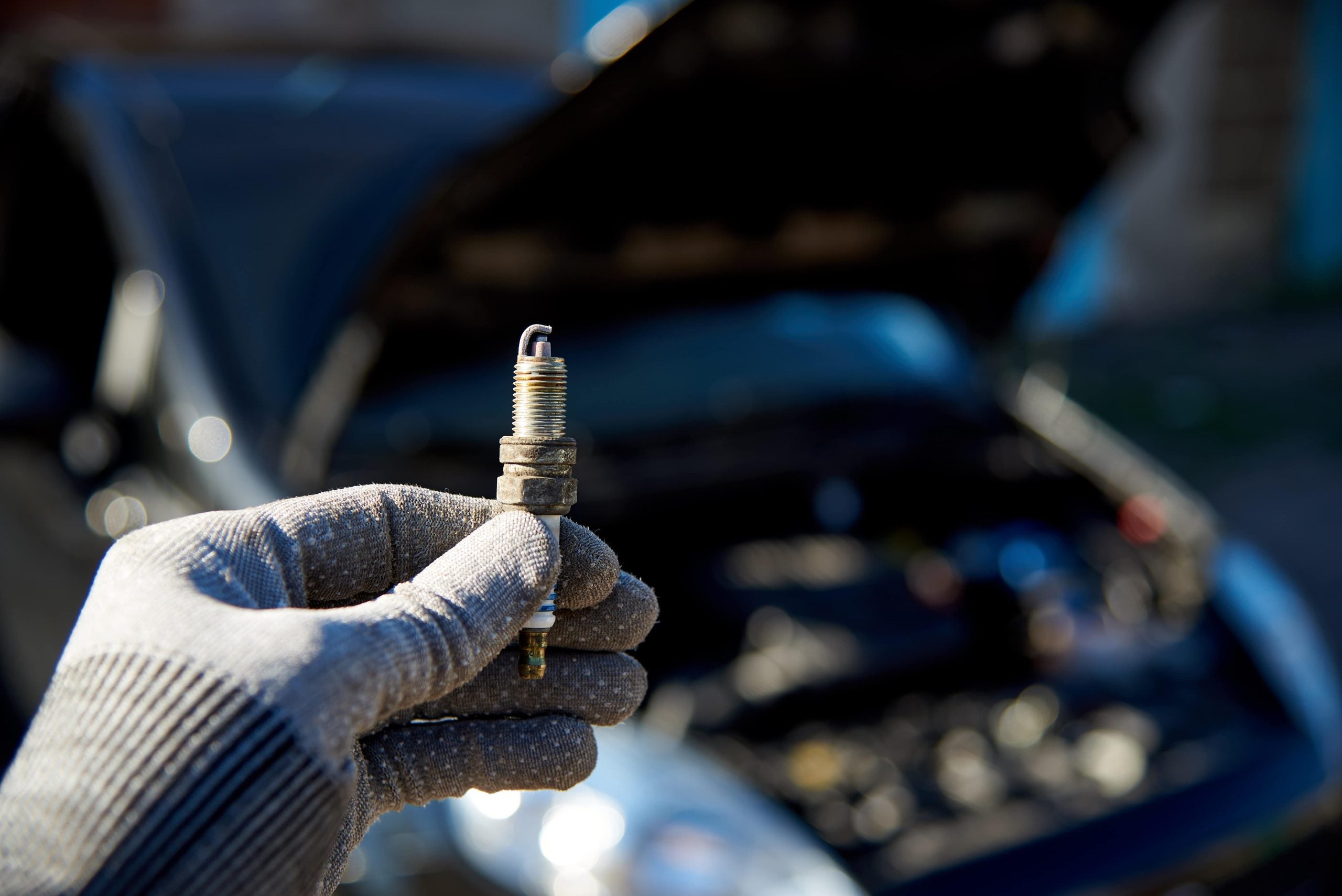
The 2025 GMC Canyon is here, and it’s redefining what a midsize truck can be. With bold styling, advanced performance, and cutting-edge technology, this truck is built to handle everything from city streets to off-road adventures. Whether you’re looking for a rugged workhorse or a premium daily driver, the 2025 Canyon offers a range of trims, vibrant color choices, and powerful engine options to fit your lifestyle. At Phillips Buick GMC, we’re excited to help you explore every detail of this impressive truck. Stop by our showroom or contact us today to find the perfect 2025 GMC Canyon that matches your needs! View GMC Canyon Get Directions Contact Us A Versatile Truck Built for Adventure The 2025 Canyon is built for those who crave adventure. It’s tough, capable, and ready for anything. Whether you're tackling rough trails or cruising through the city, this truck delivers. Trim Levels for Every Lifestyle With multiple trims to choose from, finding the right fit is easy. Each one offers unique features to match your needs: Elevation – A great balance of style, comfort, and power. AT4 – Designed for off-road fun with rugged upgrades. Denali – A premium option with refined touches and luxury details. AT4X – The ultimate off-road package with high-end capability. Bold Colors to Match Your Style Choose a color that suits your personality. From sleek neutrals to bold standouts, there’s something for everyone: Classic Shades: Summit White, Onyx Black Metallic Finishes: Desert Sand, Volcanic Red, Sterling Metallic Premium Options: Dynamic Blue, Thunderstorm Gray Power That Gets the Job Done Every model comes with a strong 2.7L turbocharged engine. It delivers the perfect mix of power and efficiency. You’ll get: 310 horsepower for smooth acceleration 430 lb-ft of torque for towing and hauling Advanced driving modes for better handling on any road No matter where you go, this truck is built to keep up. Want to see it in action? Visit Phillips Buick GMC today! Breaking Down the 2025 Canyon Trim Options Finding the right truck starts with choosing the right trim. Each model offers a unique mix of style, power, and tech. Whether you need a daily driver or an off-road beast, there’s a perfect match for you. Trim Levels at a Glance Elevation - Bold design, modern tech, and smooth performance AT4 - Off-road upgrades with extra traction and ground clearance Denali - Premium details, advanced features, and a refined interior AT4X - Ultimate off-road setup with top-tier capability Built for Your Next Journey Each model comes with a 2.7L turbocharged engine, giving you: 310 horsepower for strong performance 430 lb-ft of torque for heavy-duty towing Smart driving modes for better grip and handling Color Choices That Stand Out Make your truck match your style with a range of bold and classic colors: Sleek Neutrals: Summit White, Onyx Black Metallic Shades: Sterling Metallic, Desert Sand Bold Picks: Volcanic Red, Thunderstorm Gray, Dynamic Blue No matter the trim, this truck is ready for work, play, and everything in between. Want to see which one fits your needs? Stop by Phillips Buick GMC and take a test drive today! GMC Canyon Color Choices for 2025: Find Your Style The right color makes a truck stand out. Whether you prefer bold and bright or sleek and subtle, there’s an option for you. Each trim offers a range of shades to match your style. Classic and Timeless Summit White – Clean, crisp, and always in style Onyx Black – A deep, rich shade for a bold look Metallic Finishes with a Modern Touch Sterling Metallic – A soft silver with a sleek shine Desert Sand Metallic – A warm, earthy tone for a rugged feel Stand Out with Bold Choices Volcanic Red Tintcoat – A fiery shade full of energy Thunderstorm Gray – A dark, stormy hue with depth Dynamic Blue Metallic – A vibrant tone that turns heads These colors pair well with the truck’s strong design and powerful engine. No matter which shade you choose, your truck will make a statement. Still unsure? Visit Phillips Buick GMC to see them in person and find your perfect match! What Engine Does the 2025 GMC Canyon Have? Each trim comes with a 2.7L TurboMax engine that balances power and fuel use. It delivers: 310 horsepower – Strong acceleration for any road 430 lb-ft of torque – High towing and hauling ability Durability – Built to last with advanced materials Smooth and Responsive This engine pairs with an 8-speed automatic transmission for quick shifts. You get a smooth drive, whether on highways or rough terrain. Ready for Any Job Need to tow or haul? This truck is up to the task: Max Towing - Up to 7,700 lbs Payload Capacity - Up to 1,600 lbs Drive Options - 2WD or 4WD This lineup brings power, control, and efficiency in one package. Visit Phillips Buick GMC to test it for yourself! Special Editions and Performance Packages Looking for something bold? The 2025 model offers special editions and performance upgrades that stand out. These packages bring unique style and extra capability. Special Editions AT4X AEV Edition – Built for off-road adventures with upgraded skid plates, 35-inch tires, and exclusive badging. Denali Black Edition – Features gloss-black wheels, dark chrome trim, and a sleek, high-end look. Elevation Premium Package – Adds luxury with leather seats, advanced tech, and a stylish grille. Performance Upgrades Need more power or control? These add-ons take performance to the next level. Off-Road - Lifted suspension, skid plates, all-terrain tires Towing - Enhanced cooling, trailer brake controller Sport - Performance exhaust, sport-tuned suspension Each upgrade adds something special. Whether you want a rugged build or refined style, there’s an option for you. Visit Phillips Buick GMC to find yours! Which trim levels are available for the 2025 GMC Canyon, and how do they differ? The 2025 model offers Elevation, AT4, Denali, and AT4X trims: Elevation: A solid base with modern tech, standard off-road capability, and a rugged design. AT4: Designed for off-road performance with all-terrain tires, skid plates, and tuned suspension. Denali: A luxury-focused trim with premium materials, advanced tech, and a refined interior. AT4X: The most capable off-road option with high-performance shocks, increased ground clearance, and upgraded armor. What engine options can I choose from, and which offer the best fuel economy? The 2025 Canyon comes with a 2.7L turbocharged inline-four engine, available in different power outputs. The base version delivers solid efficiency and power, ideal for daily driving. The high-output version boosts performance for towing and off-road use. The best fuel economy comes from the standard 2.7L turbo engine, but exact MPG figures depend on drive conditions and trim selection. Are there any limited-edition color choices or customizations for the Canyon? Special colors and appearance packages are available for select trims. The Denali Black Edition features an exclusive dark chrome and gloss-black design. The AT4X AEV Edition offers unique badging and a rugged off-road look. Standard color options cover a wide range, with premium paints available for an extra cost. Explore the 2025 GMC Canyon – Power, Style & Performance The 2025 GMC Canyon is built for drivers who want style, strength, and smart features. Whether you need a truck for work, off-road fun, or everyday drives, there's a trim, color, and engine choice that fits your life. At Phillips Buick GMC, we’re here to help you find the right vehicle. Explore our wide selection of new GMC Canyon models and see what makes this truck stand out. Looking for more ways to keep your vehicle running its best? Learn about expert collision & auto body repair for Buick and GMC models. Want to get the most from your truck? Check out drive modes in your GMC and when to use them. If you're due for maintenance, our step-by-step guide to replacing spark plugs can help. No matter what you're looking for, our team at Phillips Buick GMC is ready to assist. Visit us today or browse our site to learn more! Get Directions to Phillips Buick GMC Disclaimer: All information is provided for general informational and entertainment purposes only. While we strive for accuracy, we cannot guarantee that all content is complete, current, or error-free. Any reliance you place on such information is strictly at your own risk. This article may include opinions and is not endorsed by, or officially affiliated with, any vehicle manufacturer or brand. Always consult official sources – such as the vehicle’s owner’s manual, authorized dealerships, or certified professionals – for the most up-to-date and personalized information.
frustrated woman with a car that won't start

5 Reasons Your GMC Won't Start & How to Fix It

Is your GMC giving you trouble and refusing to start? Whether you’re behind the wheel of a Buick Enclave, GMC Sierra 1500, or a Buick Envision, nothing is more frustrating than turning the key (or pushing the button) and hearing... nothing. When your GMC won’t start, it’s not just an inconvenience – it’s a problem that demands immediate attention. At Phillips Buick GMC, we know how important your vehicle is to your daily routine, and we’re here to help. In this blog, we’ll dive into the five most common reasons your GMC might be having starting issues, and we’ll show you exactly how to troubleshoot and fix them. If you're in the Lady Lake, Leesburg, or Whitney area, we invite you to visit us at Phillips Buick GMC for expert advice or repairs. Let's get your ride back on the road! Explore Our Inventory Get Directions Contact Us 1. A Dead Battery: The Most Common Culprit When your GMC won’t start, the first thing to check is the battery. It’s the most common reason for GMC starting issues, affecting everything from your Buick Enclave to the GMC Sierra 1500. A dead or weak battery can stop your car in its tracks, leaving you frustrated and stuck. Thankfully, diagnosing and fixing this issue is often straightforward. Start by checking if your lights or dashboard come on when you push the power button. If they don’t, the battery is likely the problem. In some cases, the battery may be drained due to leaving lights on or a faulty alternator that isn’t charging the battery properly. If you see your Buick Envision’s dashboard light up but the engine still refuses to start, it could be a sign of low voltage. To fix a dead battery, you may need to jump-start your vehicle or replace the battery entirely. If you’re unsure about jump-starting your GMC or Buick, it’s best to consult a professional. Phillips Buick GMC is always here to help troubleshoot GMC problems and fix your GMC engine when necessary. If jump-starting doesn’t work, it’s time to replace the battery. Most batteries last around 3 to 5 years, depending on the weather and usage. In warmer climates, the heat can cause a battery to lose charge faster, so keeping an eye on its age can prevent future starting problems. If you’re facing this issue often, it could also point to a deeper problem with your electrical system. In this case, it’s a good idea to bring your Buick Enclave, GMC Sierra 1500, or Buick Envision to Phillips Buick GMC for a full inspection. Ignoring a weak or dead battery could eventually lead to more serious engine trouble down the road. Regular maintenance and monitoring of your vehicle’s battery will help you avoid sudden starting issues and get you back on the road without delay. 2. Alternator Failure: Powering Your GMC If your GMC won’t start and the battery is not the issue, the alternator may be to blame. The alternator is responsible for powering your vehicle’s electrical system and charging the battery while the engine runs. When the alternator fails, it can result in a dead battery, which in turn causes GMC starting issues. For vehicles like the Buick Enclave, GMC Sierra 1500, or a Buick Envision, a failing alternator is a common problem that can stop your car from starting. One clear sign of an alternator failure is if the dashboard lights begin to flicker or dim while driving. You may also notice that your vehicle starts fine initially, but after a while, it struggles to start again. This is because the alternator is no longer able to keep the battery charged. If you hear strange noises or notice a burning smell under the hood, these are also signs that the alternator may need attention. Troubleshooting GMC problems early can help you avoid more serious issues down the road. To fix GMC engine problems caused by a faulty alternator, it is often necessary to replace the alternator entirely. In some cases, it might just need a simple repair, but a full replacement is usually recommended for long-term reliability. If you notice any of the symptoms above in your Buick Enclave, GMC Sierra 1500, or Buick Envision, it’s important to act quickly. Ignoring the issue could leave you stranded and potentially damage other parts of your vehicle's electrical system. At Phillips Buick GMC, we’re here to help you troubleshoot GMC problems like alternator failure. Our expert technicians can quickly diagnose the issue and get your vehicle back to running smoothly. Regular maintenance checks can prevent alternator failure, saving you time and money. Keeping your electrical system in good shape ensures that your vehicle starts reliably every time you need it to. 3. Starter Motor Problems: The Engine Won’t Crank If your GMC won’t start and the battery and alternator are both working fine, the starter motor might be the culprit. The starter motor is a key part of your GMC’s engine system. When you turn the key or push the start button, the starter motor sends power to the engine, making it crank. If it’s not functioning, your GMC won’t start, leaving you frustrated. This is one of the common GMC starting issues that drivers face with vehicles like the Buick Enclave, GMC Sierra 1500, or Buick Envision. A bad starter motor can show a few warning signs before it completely fails. The most common sign is when you turn the key and hear a clicking noise but the engine doesn’t crank. This is a clear signal that the starter motor is not engaging. Sometimes, the engine may turn over slowly, or it might not turn over at all. If you experience any of these issues, it’s time to troubleshoot GMC problems and check the starter motor. This issue is often caused by worn-out parts, electrical faults, or loose connections. To fix GMC engine problems caused by a failing starter motor, the motor itself usually needs to be repaired or replaced. In some cases, a simple cleaning of the motor’s contacts can resolve the issue. However, a full replacement is often necessary if the motor is severely damaged. It’s important to get this checked out quickly. A faulty starter motor can leave you stranded, and ignoring the issue can lead to further engine problems. At Phillips Buick GMC, we’re experts at diagnosing and fixing GMC engine problems, including starter motor failure. Whether you drive a Buick Enclave, GMC Sierra 1500, or Buick Envision, we can help get your vehicle back to starting smoothly. If you're experiencing GMC starting issues, don’t hesitate to bring your vehicle in for a professional inspection. Our team is ready to get you back on the road as quickly as possible. 4. Fuel System Issues: No Fuel, No Start When your GMC won’t start, the problem might lie within the fuel system. The engine needs fuel to run, and if there's an issue with fuel delivery, your GMC won't start. This is a common problem for vehicles like the Buick Enclave, GMC Sierra 1500, or a Buick Envision. If you’re facing GMC starting issues, the first thing to check is whether your vehicle is getting the fuel it needs. A lack of fuel can prevent your engine from starting altogether. Fuel system issues can happen for several reasons. One of the most common problems is a clogged fuel filter. Over time, dirt and debris can block the fuel filter, preventing the fuel from reaching the engine. Another possibility is a malfunctioning fuel pump. If the pump is damaged or fails, it won’t be able to push fuel from the tank to the engine. This can leave your GMC stranded, causing frustration for drivers. Troubleshooting GMC problems related to fuel systems should focus on these components, as they are often the source of the issue. To fix GMC engine problems caused by fuel system failures, start by checking the fuel filter. If it’s clogged, replace it. If the fuel pump is the issue, it may need to be repaired or replaced. It’s also important to ensure that the fuel injectors are working properly. If these parts are all functioning correctly, your vehicle should get the fuel it needs to run smoothly. Fuel system problems can lead to more serious engine damage if ignored, so it's always best to get them fixed sooner rather than later. At Phillips Buick GMC, we specialize in diagnosing and fixing fuel system issues in vehicles like the Buick Enclave, GMC Sierra 1500, and Buick Envision. If you’re experiencing GMC starting issues, don’t hesitate to bring your vehicle in for a professional inspection. Our expert team will help troubleshoot GMC problems and get your engine running like new again. Visit us today to ensure your fuel system is in top shape! 5. Ignition System Failures: A Glitch in the Spark If your GMC won’t start, the ignition system might be to blame. The ignition system is responsible for starting the engine by providing the spark that ignites the fuel. Without it, your vehicle won’t run. GMC starting issues caused by the ignition system are common in vehicles like the Buick Enclave, GMC Sierra 1500, and Buick Envision. When there's a glitch in the spark, your engine simply won’t turn over. One of the most frequent ignition problems is a faulty ignition coil. The coil takes the battery’s low voltage and turns it into the high voltage needed to spark the plugs. If this part fails, the spark plugs won’t fire properly, and the engine won’t start. Another issue could be a worn-out starter motor. The starter is responsible for turning the engine over, and if it’s broken, the engine won’t crank. To troubleshoot GMC problems like these, you'll need to check both the ignition coil and starter motor for any damage. To fix GMC engine issues related to the ignition system, start by inspecting the ignition coil and starter motor. If either part is faulty, replacing it should get your vehicle back on the road. It’s also important to check the spark plugs, as they can wear out over time and prevent proper ignition. If the issue persists, a professional mechanic will need to perform a deeper diagnostic check to ensure all components are functioning properly. Ignition system failures can be tricky, but fixing them will get your GMC running smoothly again. At Phillips Buick GMC, we specialize in diagnosing and fixing ignition system issues. If your Buick Enclave, GMC Sierra 1500, or Buick Envision is experiencing GMC starting issues, bring it in for a thorough inspection. Our expert team will troubleshoot GMC problems, fix any ignition system failures, and get you back on the road. Don’t wait— visit us today! Why won’t my GMC start, and what should I check first? Your GMC may not start due to several factors, such as a dead battery, faulty alternator, or ignition system issues. Start by checking the battery first. If the lights and electronics aren’t working, the battery is likely the culprit. What are the most common GMC starting issues? The most common GMC starting issues are a dead battery, alternator failure, starter motor problems, fuel system issues, and ignition system failures. These are typically the first things to check when troubleshooting starting problems. Can a dead battery cause my GMC to not start? Yes, a dead battery is one of the most common reasons your GMC won’t start. Without enough charge, the engine can’t crank, and the vehicle won't start. How do I troubleshoot a GMC engine that won’t start? To troubleshoot a GMC engine that won’t start, check the battery’s charge, test the alternator, inspect the starter motor, and ensure the ignition system is functioning. If you have fuel system issues, check the fuel pump and filters as well. When should I call a mechanic for starting problems? Call a mechanic if you’ve checked the common issues and your GMC still won’t start. If the problem seems related to the alternator, starter motor, or fuel system, it’s best to have a professional diagnose and repair it. Get Your GMC back on the Road with Phillips Buick GMC If your GMC won’t start and you need help, Phillips Buick GMC is here for you. We know how frustrating it can be when your vehicle doesn’t start. Our team is ready to assist you with any GMC starting issues and can help you get your vehicle back in working order. We invite drivers from Lady Lake, Whitney, Leesburg, and Lisbon to explore our wide selection of vehicles, including the Buick Enclave, GMC Sierra 1500, and Buick Envision. If you’re also interested in learning more about the towing capabilities of your Buick or GMC, we have detailed guides on everything you need to know about towing in your Buick (2025) and towing in your GMC Canyon (2024). Our expert service team is available to help with any repairs or questions, especially if your vehicle has been impacted by recent weather events. For more information on how to keep your car running smoothly, visit our service page here: Service at Phillips Buick GMC. Continue exploring our site and discover all the resources available for maintaining and repairing your vehicle. Whether you need help with GMC engine troubleshooting or are looking to learn more about towing, Phillips Buick GMC has you covered! Get Directions to Phillips Buick GMC Disclaimer: All information is provided for general informational and entertainment purposes only. While we strive for accuracy, we cannot guarantee that all content is complete, current, or error-free. Any reliance you place on such information is strictly at your own risk. This article may include opinions and is not endorsed by, or officially affiliated with, any vehicle manufacturer or brand. Always consult official sources – such as the vehicle’s owner’s manual, authorized dealerships, or certified professionals – for the most up-to-date and personalized information.
Mechanic checking the steering alignment on a GMC vehicle

Why Is My Car Pulling to the Side? Causes & Solutions

Have you ever felt your car tugging to one side, making every drive feel like a battle with the steering wheel? It’s frustrating, uncomfortable, and—let’s face it—unsafe. Whether you’re behind the wheel of a Buick Encore GX, a GMC Sierra 1500, or a GMC Yukon, any vehicle can experience this issue. But don’t worry, it’s not a mystery. Car pulling issues are often caused by something fixable, like poor wheel alignment, uneven tire pressure, or even brake wear. Understanding what's behind it and taking action can save you from bigger, more costly problems down the road. At Phillips Buick GMC, our expert technicians are here to help you pinpoint the cause and get your vehicle back to smooth driving. Read on to discover what’s making your car pull—and how we can help you fix it! Schedule Service Get Directions Contact Us What causes a car to pull to the side while driving? A car can pull to the side due to several reasons, including misaligned wheels, uneven tire pressure, or worn-out suspension components. Tire alignment problems and steering issues are common culprits that can cause the vehicle to drift off track. What Is the Role of Your Suspension System in Car Steering? The suspension system in your vehicle is far more than just a comfort feature. It plays a crucial role in how your car steers and handles the road. In simple terms, the suspension connects your vehicle’s wheels to its frame, allowing for smoother rides. It includes components like shocks, struts, springs, and control arms, all working together to absorb bumps and keep the car’s wheels in contact with the road. When your suspension system isn’t functioning properly, it can lead to car pulling issues that make driving uncomfortable and unsafe. One of the key reasons your car might pull to one side is poor alignment, which can be directly tied to a failing suspension system. Tire alignment problems are often a result of suspension components wearing down or becoming misaligned. When these parts, like control arms or struts, begin to fail, your tires don’t sit properly on the road. This causes uneven wear, misalignment, and the feeling that your car is fighting against you as you drive. If you’re driving a vehicle like the Buick Encore GX, GMC Sierra 1500, or GMC Yukon, this issue can be more noticeable due to their larger size and weight. If left unchecked, it can even lead to premature tire wear or more serious steering problems. Fixing car alignment starts with diagnosing the issue, and the suspension system is often at the heart of the problem. If your car pulls to one side or experiences steering problems, it could be that the suspension parts are too worn or damaged to support the wheels properly. A mechanic will typically check for signs of wear in the suspension, such as leaking shock absorbers or broken control arms. If they find any issues, they will fix the alignment and replace the worn parts to restore proper handling and alignment. Addressing suspension issues early can save you money in the long run. A well-maintained suspension system ensures that your car drives smoothly and stays aligned. Whether you’re behind the wheel of a Buick Encore GX navigating tight city streets or taking your GMC Yukon on a long road trip, a properly functioning suspension helps your car handle the road with ease. At Phillips Buick GMC, we specialize in car steering repair and alignment services to get you back on track safely. If your car is pulling or you notice any steering issues, it’s time to schedule a service appointment. The Mechanics Behind Car Pulling: Why Is Your Vehicle Moving Off Track? When your car pulls to the left or right, it can be more than just an annoying driving experience—it can signal an underlying mechanical issue. The most common cause of car pulling issues is poor alignment. Alignment refers to the angles at which your vehicle’s wheels meet the road. When the wheels are not properly aligned, they can cause your car to pull in one direction. This is why you may feel like you're constantly correcting the steering wheel, especially with larger vehicles like the Buick Encore GX, a GMC Sierra 1500, or a GMC Yukon. If alignment is the issue, fixing the alignment can immediately resolve the problem. Tire alignment problems are often caused by factors such as worn suspension parts, damaged tires, or impacts with road hazards. Over time, driving over potholes, hitting curbs, or even normal wear can throw off your vehicle’s alignment. When the alignment is off, one or more of the wheels may be angled incorrectly, which can cause your car to veer left or right. This problem is especially noticeable when driving at higher speeds or when the road isn’t perfectly flat. So, if your GMC Sierra 1500 or Buick Encore GX feels like it's drifting, it's time to look at your tire alignment and suspension components. Another reason for your car pulling to one side could be uneven tire pressure. If one tire is underinflated, it will cause that side of the car to sit lower, which can throw off your alignment. Even small changes in tire pressure can affect your steering, making the car pull to one side. Regularly checking and maintaining the correct tire pressure can prevent this issue from becoming a bigger problem. If tire pressure isn’t the culprit, your car could be dealing with a deeper issue such as suspension wear, faulty brakes, or a more severe alignment problem. Regardless of the cause, addressing the issue early can prevent further damage and expensive repairs. If you notice your car pulling off track, it’s essential to address the issue as soon as possible. Driving with a misaligned vehicle not only affects your car's handling but can also lead to uneven tire wear, reducing the lifespan of your tires. Fixing car alignment as soon as you notice the problem can save you from additional repairs down the road. At Phillips Buick GMC, we specialize in diagnosing and repairing alignment and steering issues. If your vehicle is pulling, let our team of experts inspect your car and help get you back on the road safely. Identifying the Root Cause of Your Car Pulling: How to Diagnose the Problem When your car pulls to one side, diagnosing the root cause is essential for solving the issue. The first step is to check the alignment. Car pulling issues often arise when the tires are misaligned. This is a common problem, especially in vehicles like the Buick Encore GX or GMC Sierra 1500, which may have experienced wear and tear from potholes or curbs. If the alignment is off, fixing car alignment can restore your car’s handling and prevent further problems. Misalignment can cause uneven tire wear and poor driving performance, so it’s important to address it right away. Next, inspect the tire pressure. Uneven tire pressure can also cause your car to pull. A tire that is under-inflated or over-inflated will change the height of the tire, affecting the car’s balance. This can lead to noticeable pulling to one side. Check each tire’s pressure regularly to ensure it’s within the recommended range. If one tire keeps losing pressure, there could be a slow leak or damage. Regular tire maintenance is crucial for avoiding tire alignment problems and steering issues in vehicles like the GMC Yukon, which is designed for larger loads and more demanding driving. If the alignment and tire pressure seem fine, the issue could be related to the suspension system or steering components. Worn suspension parts such as shocks, struts, or control arms can cause the car to pull. A faulty steering rack or damaged tie rods can also lead to pulling. These parts help keep your wheels in sync and support the overall handling of the car. When any of these parts fail, the car’s steering can become unstable, causing it to drift. If you're not familiar with these components, it's best to consult a professional mechanic for car steering repair. They can pinpoint the exact cause of the pull and recommend the necessary repairs to get your vehicle back on track. Diagnosing car pulling issues can be tricky, but with regular maintenance and a keen eye for signs of wear, you can catch problems early. Whether you drive a Buick Encore GX or a GMC Sierra 1500, staying on top of your vehicle's alignment, tire pressure, and suspension system is key to a smooth ride. If your vehicle is pulling, visit Phillips Buick GMC for a thorough inspection. Our team is ready to help diagnose and fix any issues, ensuring your car handles like it should. Fixing Car Pulling Issues: Solutions to Get Your Vehicle Back on Track If your vehicle is pulling to one side, it’s crucial to fix the problem as soon as possible. Ignoring car pulling issues can lead to uneven tire wear, poor handling, and even unsafe driving conditions. The first step to addressing the issue is to check the alignment. If your car’s alignment is off, it’s essential to fix car alignment. A misaligned vehicle, like the Buick Encore GX or GMC Sierra 1500, will struggle to stay straight, causing a noticeable pull. An alignment adjustment can often resolve this problem and restore your car’s handling. Next, examine the tire pressure. Low or uneven tire pressure can also cause your car to pull. To avoid tire alignment problems, make sure all tires are inflated to the manufacturer’s recommended level. Tires that are too high or low in pressure affect how your car handles and can lead to pulling. If one tire consistently loses air, it could be due to a slow leak or a puncture, and you’ll need to replace or repair the tire. Ensuring your tires are properly inflated helps maintain balanced traction and smooth driving. If alignment and tire pressure aren’t the issues, it may be time to focus on the suspension system or steering components. Worn shocks, struts, or other suspension parts can cause your vehicle to pull. In cars like the GMC Yukon, these parts may wear down over time, especially with frequent driving on rough roads. Damaged or worn-out steering components, such as the steering rack or tie rods, can also lead to pulling. These components are crucial for keeping your wheels moving together in the same direction. If you suspect a problem with your steering, seeking professional car steering repair is vital. A technician can inspect and repair or replace any faulty parts, ensuring your car drives straight again. Fixing car pulling issues requires addressing the root cause. Whether it’s alignment, tire pressure, or steering components, getting your car checked by a professional is the best way to restore its performance. At Phillips Buick GMC, we can help you diagnose and fix car pulling issues. Visit us today to ensure your Buick Encore GX, a GMC Sierra 1500, or a GMC Yukon is driving as smoothly as it should. Driving Safely While Waiting for Repairs: Tips for Temporary Solutions If your car is pulling to one side, it’s important to address the issue right away. However, if you can’t get to the mechanic immediately, there are ways to drive safely in the meantime. First, try to avoid high-speed driving. When your car has alignment issues or tire alignment problems, it can be harder to keep it straight at higher speeds. Driving slowly and carefully will help reduce the risk of further damage to your vehicle or causing a safety hazard. Whether you’re in a Buick Encore GX or a GMC Sierra 1500, driving cautiously is key to keeping control while waiting for repairs. Another temporary solution is to adjust your steering. If your car is pulling to one side, you might feel the need to steer harder in the opposite direction to keep it straight. While this can help keep your car on track, it’s not a permanent fix. Try to hold the steering wheel lightly without overcompensating. This will allow you to maintain better control, especially in your GMC Yukon. Avoid making sudden turns, as this could put extra strain on your vehicle’s steering and suspension. It’s also best to drive on smooth, flat roads if possible, as rough terrain can worsen the pulling issue. Lastly, make sure your tires are properly inflated. Low tire pressure can sometimes contribute to pulling issues, so check the air levels before heading out. Uneven tire pressure can make the pulling more noticeable and harder to manage. In vehicles like the Buick Encore GX or GMC Sierra 1500, checking the tire pressure regularly is an easy way to reduce the impact of alignment problems. Even though it’s not a fix, it can help make the drive safer while you wait for a professional inspection and car steering repair. While these tips can help you drive safely, they are temporary solutions. A professional mechanic should inspect your car as soon as possible to fix the alignment, address tire issues, and perform any needed car steering repair. Phillips Buick GMC is ready to assist with any car pulling issues, so don’t hesitate to schedule an appointment. How do I fix car alignment issues? To fix car alignment issues, you should take your vehicle to a certified mechanic who can adjust the angles of the wheels. This process, known as wheel alignment, ensures that the tires are set to the manufacturer’s specifications, preventing pulling and uneven wear. Can tire alignment problems cause uneven wear? Yes, tire alignment problems can cause uneven tire wear. Misaligned tires may cause certain areas of the tire to wear down faster than others, leading to reduced tire life and poor vehicle performance. How often should I check my car’s steering alignment? It is recommended to check your car’s steering alignment at least once a year or every 12,000 miles. If you notice any pulling or steering issues, it's important to have the alignment checked sooner. When should I replace tires to fix pulling issues? If your tires are worn unevenly or damaged, it’s important to replace them as soon as possible. New tires with proper tread will help restore balance and prevent further pulling issues caused by tire damage or excessive wear. Conclusion If you’re experiencing pulling issues with your vehicle, it’s important to get them checked out to ensure your safety on the road. At Phillips Buick GMC, we’re here to help. Our expert team can diagnose and fix any issues related to car alignment, tire wear, or steering problems, ensuring your car drives smoothly again. If you’re in the Lady Lake, Whitney, Leesburg, or Lisbon area, visit us to explore our wide selection of vehicles like the Buick Encore GX, GMC Sierra 1500, and GMC Yukon. Whether you’re looking for a new car or need service, we’re here for you. While you’re here, continue exploring our site to discover various trim, color, and engine options available on the 2025 GMC Sierra 1500. If you’re looking for extra savings, take advantage of our current offers after Hurricane Helene. Be sure to check out our Kelley Blue Book Instant Cash Offer, which allows you to get a fair value for your vehicle. If you need service, scheduling an appointment is easy! Visit our service page to book your appointment today. Our team is ready to assist with any vehicle maintenance or repair needs, from routine checks to more complex fixes. Let us help you get your vehicle back on track and driving like new again! Get Directions to Phillips Buick GMC Disclaimer: All information is provided for general informational and entertainment purposes only. While we strive for accuracy, we cannot guarantee that all content is complete, current, or error-free. Any reliance you place on such information is strictly at your own risk. This article may include opinions and is not endorsed by, or officially affiliated with, any vehicle manufacturer or brand. Always consult official sources – such as the vehicle’s owner’s manual, authorized dealerships, or certified professionals – for the most up-to-date and personalized information.

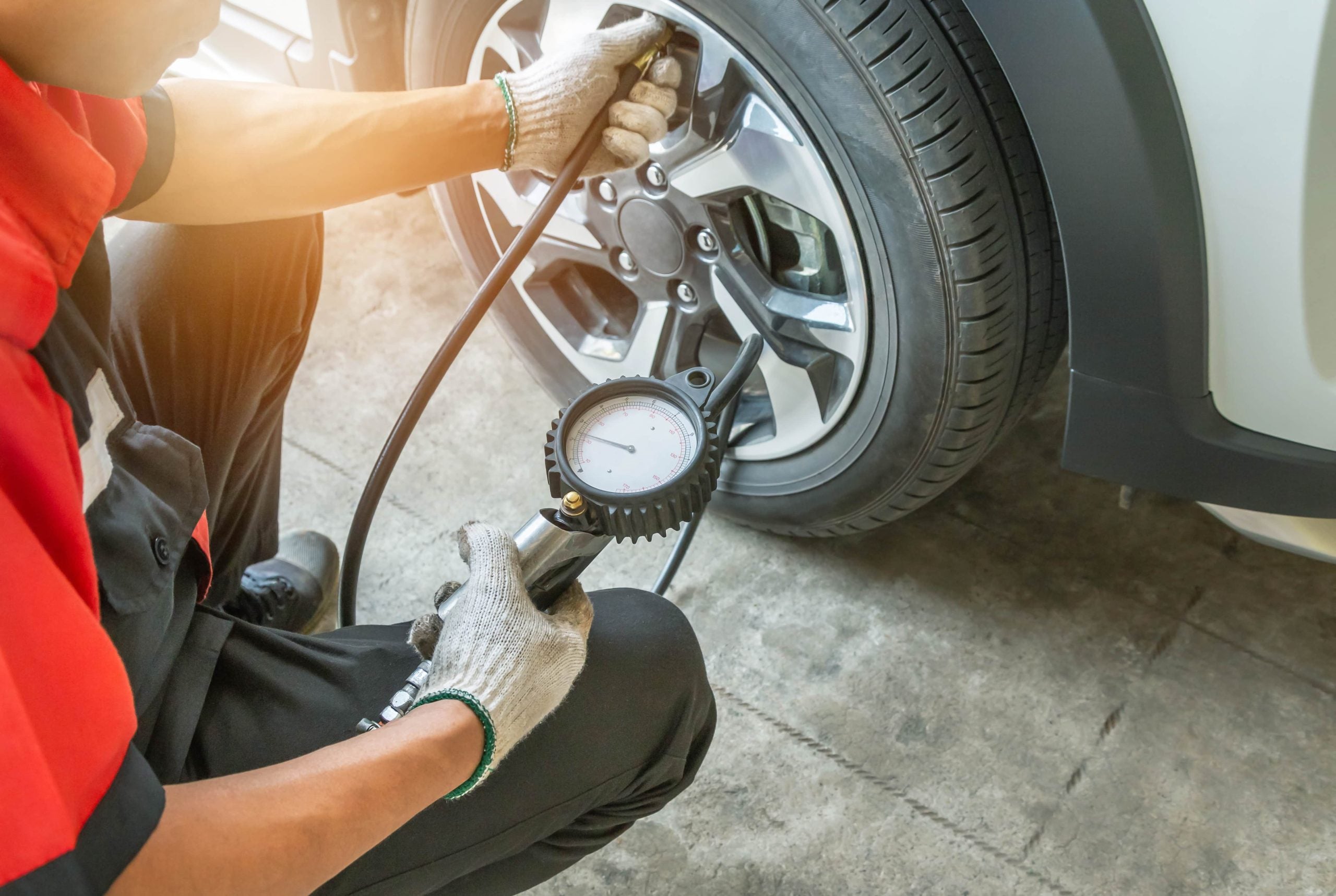
Technician checking a vehicle's tire pressure

What Should Your GMC's Tire Pressure Be?

When it comes to your GMC, keeping your tires properly inflated isn’t just about comfort—it’s about safety, performance, and long-term savings. Whether you're driving a rugged GMC Sierra 1500, a powerhouse GMC Sierra 2500, or a family-friendly GMC Acadia, maintaining the correct tire pressure is essential. But how do you know what that “correct” pressure is? It's simpler than you think, and getting it right can improve fuel efficiency, extend tire life, and enhance overall handling. Ready to take control of your GMC's tire health? Keep reading to learn exactly what tire pressure you should aim for, and if you ever need assistance, don’t hesitate to reach out to Phillips Buick GMC. We’re here to help you keep your ride in top shape! Explore Our Inventory Get Directions Contact Us What Does "PSI" Mean and Why It Matters When you hear "PSI," it’s a simple acronym for "pounds per square inch." It refers to the measurement of air pressure inside your tires. Understanding and maintaining the correct tire PSI is crucial for the safety, performance, and longevity of your GMC. Whether you're driving a GMC Sierra 1500, GMC Sierra 2500, GMC Yukon, or GMC Acadia, each vehicle has a specific PSI range that works best for its tires. This number ensures your tires can perform at their best, keeping your vehicle stable, safe, and efficient on the road. Why does the correct tire pressure matter so much? First, it affects how your tires grip the road. Under-inflated tires can cause sluggish handling, especially in heavy trucks like the GMC Sierra 2500, where extra weight and pressure are already a factor. On the other hand, over-inflated tires can reduce the contact area with the road, making your ride less smooth and compromising your vehicle’s control. If your tire pressure is too high or too low, it could lead to dangerous situations, especially on slippery or rough terrain. Maintaining the correct tire PSI also helps improve your fuel efficiency. When your tires are inflated properly, your GMC's engine doesn’t have to work as hard, meaning you’ll spend less on gas. For example, the recommended tire pressure for a GMC Sierra 1500 might be around 35 PSI for normal conditions, but it can vary based on the load or driving style. The same goes for the GMC Acadia, where the proper tire pressure ensures better handling and fuel economy. Regularly checking tire pressure, especially before long trips, can save you money and keep your GMC running smoothly. Always use a reliable tire gauge to check tire pressure, or stop by Phillips Buick GMC for a quick tire inspection. How to Check Your GMC’s Tire Pressure Checking your GMC's tire pressure is a simple task that can make a big difference in your vehicle's performance. Whether you drive a GMC Sierra 1500, GMC Sierra 2500, GMC Yukon, or GMC Acadia, knowing how to check tire pressure is an essential part of vehicle maintenance. Luckily, it’s easy to do, and you don’t need to be a mechanic to get it right. To start, you’ll need a tire pressure gauge. These gauges come in two main types: analog and digital. Both work well, but digital gauges are often easier to read. Begin by removing the valve cap from one of your tires. Place the gauge onto the valve stem and press down firmly. You’ll hear a slight hiss of air, but don’t worry. The gauge will give you a reading of your tire pressure in PSI (pounds per square inch). Compare this number with the recommended tire pressure for your GMC, which you can find in your owner's manual or on the door frame of your vehicle. For example, the correct tire PSI for a GMC Sierra 1500 might be around 35 PSI, while the GMC Sierra 2500 may require slightly higher pressure, depending on the load. It’s important to check tire pressure when the tires are cold. This means checking them before you’ve driven more than a couple of miles. Driving warms up the tires and can give you a falsely high reading. If the tire pressure is too low, it’s time to add air. You can visit a nearby gas station or tire service center to top off your tires. If the tire pressure is too high, release some air by pressing down on the valve stem. Always make sure you’re following the correct tire PSI for your specific vehicle, as outlined in the GMC PSI guide. Checking tire pressure regularly will not only improve safety but also enhance fuel efficiency and extend the life of your tires. What is the Correct Tire Pressure for Your GMC? The correct tire pressure for your GMC depends on the model and its specific needs. Whether you drive a GMC Sierra 1500, GMC Sierra 2500, GMC Yukon, or GMC Acadia, each vehicle has a recommended PSI (pounds per square inch) to ensure safe and efficient driving. Tire pressure affects handling, fuel economy, and overall safety, so it’s important to follow the correct tire PSI guidelines for your vehicle. For most GMC trucks like the Sierra 1500, the ideal tire pressure is typically around 35 PSI. However, this number can vary based on factors such as load and driving conditions. The GMC Sierra 2500, which is built for heavier hauling, often requires higher PSI, ranging from 50 to 75, depending on the weight it carries. Similarly, larger SUVs like the GMC Yukon may need a slightly higher PSI for better performance, while the GMC Acadia, a more compact SUV, might require around 32 to 35 PSI. Always check your vehicle’s GMC PSI guide for the most accurate and up-to-date information. You can easily find the recommended tire pressure for your GMC by checking the door frame on the driver's side. There, you’ll find a sticker with the correct tire pressure for your specific model. This number should be your reference point when checking tire pressure. If you’re unsure, your owner's manual is another great resource for the correct tire PSI. Always use a reliable gauge to check tire pressure and make sure you are within the recommended range. Keeping your tires at the correct pressure not only ensures better driving performance but also saves you money on fuel and extends the life of your tires. Factors That Can Affect Your GMC's Tire Pressure Several factors can influence your GMC's tire pressure, and understanding them will help you maintain the correct PSI for your vehicle. One of the most common factors is temperature. As the weather changes, so does the air in your tires. On colder days, the air in your tires contracts, causing a drop in tire pressure. Conversely, on hot days, the air expands, increasing the PSI. For example, if you’re driving a GMC Sierra 1500, the cold winter months can reduce tire pressure by about 1-2 PSI for every 10°F drop in temperature. This is why it’s especially important to check tire pressure regularly in extreme weather conditions. Another factor that can affect your GMC's tire pressure is the weight of the load you’re carrying. If you’re hauling a heavy load in your GMC Sierra 2500, for instance, your tires will need more pressure to support the additional weight. The correct tire PSI is crucial for keeping the tires properly inflated when you’re transporting heavy items. Too much weight with too little tire pressure can lead to tire wear and poor handling. Make sure to consult your GMC PSI guide for the recommended tire pressure when carrying heavy loads. Driving habits can also impact your tire pressure. Frequent high-speed driving or aggressive braking can cause the tires to heat up, affecting the pressure. For vehicles like the GMC Yukon or GMC Acadia, which are often used for long trips or daily commutes, keeping an eye on tire pressure after long drives is important. To maintain proper tire pressure, always check your tires when they’re cold, and never rely on the readings after driving long distances. Proper tire pressure ensures your vehicle’s performance, improves fuel efficiency, and keeps you safe on the road. What Happens If Your GMC Tire Pressure Is Too Low or Too High? Maintaining the correct GMC tire pressure is crucial for the safety and performance of your vehicle. If your tire pressure is too low, your tires will not perform at their best. For example, if you drive a GMC Sierra 1500 and your tire pressure is lower than the recommended PSI, your tires will have more contact with the road. This increases friction, causing your tires to wear out faster. Underinflated tires also reduce fuel efficiency, meaning you’ll spend more on gas. Plus, low tire pressure can cause your GMC to handle poorly, making it harder to steer, especially in emergencies. On the other hand, if the tire pressure is too high, the situation is just as problematic. Overinflated tires, especially on vehicles like the GMC Sierra 2500 or GMC Yukon, can lead to a rougher ride. They may also become more prone to damage, as the extra pressure makes the tire less flexible. This could increase the risk of a blowout, particularly if you’re driving at high speeds or on rough terrain. Too much pressure also reduces the tire’s grip on the road, making it harder to control your vehicle in wet or icy conditions. It’s vital to follow the GMC PSI guide for your specific model, whether you drive a GMC Acadia or another vehicle, to keep the tire pressure within the recommended range. Regularly checking your tire pressure ensures that your GMC is performing at its best. Use a tire pressure gauge to check tire pressure when the tires are cold for the most accurate reading. If you find that your tire pressure is off, either too low or too high, adjust it according to the manufacturer’s guidelines. Keeping the correct tire PSI improves safety, enhances performance, and extends the life of your tires. Tips for Maintaining Proper Tire Pressure in Your GMC Maintaining proper tire pressure in your GMC is essential for both safety and performance. The correct tire PSI ensures that your tires wear evenly, improving their lifespan and saving you money in the long run. To keep your GMC running smoothly, start by checking your tire pressure regularly. Ideally, you should check tire pressure at least once a month and before long trips. Make sure to do this when the tires are cold, as heat can cause the air pressure to rise, giving you an inaccurate reading. For models like the GMC Sierra 1500 or GMC Yukon, it’s crucial to follow the GMC PSI guide closely. These models often require different PSI levels than smaller vehicles, especially if you're hauling heavy loads. If your GMC is equipped with a Tire Pressure Monitoring System (TPMS), it will alert you when a tire is underinflated. However, don’t rely solely on the TPMS. It’s still a good idea to manually check tire pressure with a gauge to ensure the reading is accurate. Another tip is to inspect your tires for damage. Even if the pressure is correct, a nail or puncture can cause slow leaks, leading to underinflation. If you notice your tire pressure consistently dropping, it may be time to check for leaks or even visit your local service center. Models like the GMC Sierra 2500 and GMC Acadia, which are built for tougher conditions, may experience more wear on tires, so be proactive in checking for damage. Proper maintenance of tire pressure helps improve fuel efficiency, ride quality, and safety. Taking a few minutes each month to check your tire pressure can make a big difference! What is the correct tire pressure for GMC vehicles? The correct tire pressure for GMC vehicles typically ranges between 30 and 35 PSI, depending on the model and load. For heavy-duty trucks like the GMC Sierra 2500, the pressure may be higher. Always refer to the GMC PSI guide for your specific vehicle. How often should I check my tire pressure? You should check your tire pressure at least once a month and before any long trips. It's also a good idea to check it when the tires are cold to ensure an accurate reading. What happens if my tire pressure is too low or too high? If your tire pressure is too low, it can cause poor fuel efficiency, uneven tire wear, and handling issues. On the other hand, if your tire pressure is too high, it can lead to a rough ride, reduced traction, and premature tire damage. Can I adjust GMC tire pressure myself? Yes, you can adjust your GMC tire pressure yourself using a tire pressure gauge and an air pump. However, if you're unsure about the correct pressure or notice consistent issues, it's a good idea to consult a professional. Where can I find the recommended PSI for my GMC? The recommended PSI for your GMC is listed in the owner's manual and on a sticker located on the driver’s side door jamb. The sticker will also specify the correct tire pressure for both front and rear tires. Get Your GMC's Tires Checked at Phillips Buick GMC At Phillips Buick GMC, we understand that maintaining the right tire pressure is crucial for your vehicle’s performance, safety, and fuel efficiency. If you need more information on keeping your GMC in top shape, feel free to reach out to us. Our team is here to assist with all your vehicle maintenance questions. We also invite customers from Lady Lake, Whitney, Leesburg, and Lisbon to explore our wide selection of new and pre-owned vehicles. Whether you're interested in a powerful GMC Sierra 1500, a heavy-duty GMC Sierra 2500, or a family-friendly GMC Yukon or GMC Acadia, we have something for everyone. Visit us today to test drive these models and more. While you're here, check out some of our other helpful content, such as how Phillips Buick GMC sponsors the VetSports Golf Tournament with the Buick Envista as a Hole-in-One prize. Also, don’t miss our guide on 7 Reasons to Trade In Your Used Car in Fruitland Park, Florida, or find out What You Should Look for in a Used Car. For more detailed information on tire care and maintenance, visit our page about tire services here. Our team is always ready to help keep your vehicle running smoothly. Get Your Tires Checked Get Directions to Phillips Buick GMC Disclaimer: All information is provided for general informational and entertainment purposes only. While we strive for accuracy, we cannot guarantee that all content is complete, current, or error-free. Any reliance you place on such information is strictly at your own risk. This article may include opinions and is not endorsed by, or officially affiliated with, any vehicle manufacturer or brand. Always consult official sources – such as the vehicle’s owner’s manual, authorized dealerships, or certified professionals – for the most up-to-date and personalized information.
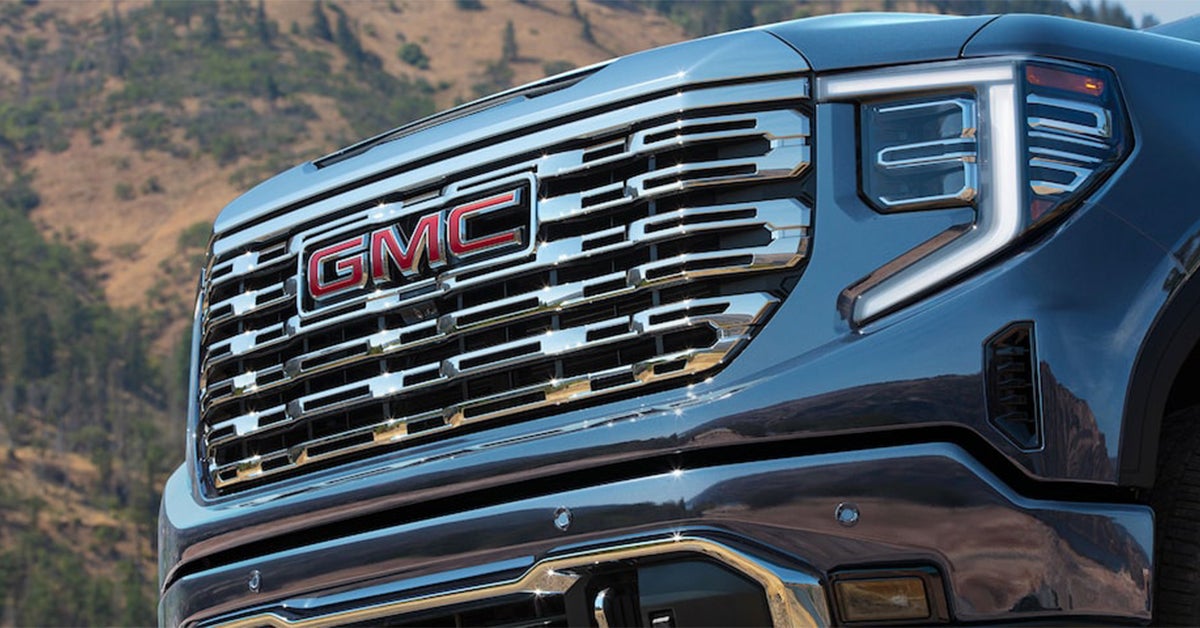
Odometer that just hit 100000 miles

So Your Odometer Just Passed 100K: Now What?

Your car's odometer just hit 100,000 miles—a significant milestone that often stirs mixed feelings. For some, it’s a moment of pride, knowing they’ve maximized their vehicle’s use; for others, it might bring a bit of anxiety about what lies ahead. But don’t worry—reaching 100,000 miles is not a signal that your car is nearing the end of its journey. Thanks to advancements in automotive technology and better maintenance practices, many vehicles today are built to last well beyond 200,000 miles with proper care. This milestone is less about an impending end and more about taking steps to ensure your car’s longevity. So, what should you do next to keep your car running smoothly for years to come? The secret lies in understanding the specific maintenance your car needs as it ages, addressing wear and tear proactively, and staying committed to a regular care routine. By following these guidelines, you’ll not only extend the life of your vehicle but also enjoy many more miles on the road with confidence. Service Department Get Directions Contact Us The Importance of Regular Maintenance: Beyond the 100K Mark Reaching 100,000 miles is a significant milestone in any vehicle's life. Whether you're cruising in a GMC Sierra 1500, a Buick Envision, or a GMC Savana, it's crucial to understand that regular maintenance is the key to ensuring your vehicle stays in top shape. At this point, your car needs more than just the basics—it requires a plan to keep running smoothly well beyond the 100K mark. A proper 100K car checkup is essential to prevent future breakdowns and costly repairs. Car maintenance at 100K isn't just about changing the oil and rotating the tires. This is the time to replace parts that wear out over time, such as belts, hoses, and spark plugs. For a high-mileage vehicle, this step can make all the difference. Regular checks can also catch small issues before they become big problems. For example, the water pump and timing belt, often overlooked, should be replaced around 100K miles. If you’re driving a Buick Encore GX, the engine’s health depends on getting these parts checked early. Neglecting this could lead to overheating or worse—a serious engine failure. In addition to key parts, maintaining your car's fluids is essential. Make sure that oil changes are consistent, and that other fluids, such as brake and power steering fluid, are topped off regularly. A good practice is to use synthetic oils for longer-lasting engine health, which is ideal for both the GMC Savana and the GMC Sierra 1500. Regular fluid checks and replacements should be part of your high-mileage care routine. Even with top-of-the-line cars like the Buick Envision, these small efforts ensure that your vehicle runs efficiently and helps avoid the need for expensive repairs. Remember, regular visits to your dealership for scheduled checkups are not just about keeping your car running—they also help maintain its value. A well-maintained car is more reliable, safer, and holds its value longer. Whether you're driving around Lady Lake or heading out for a road trip, proper maintenance at 100K miles will extend your vehicle’s lifespan. If you’re unsure about what maintenance tasks your vehicle needs, don’t hesitate to reach out to Phillips Buick GMC. Our expert team is here to guide you every step of the way. Common Maintenance Checks for High Mileage Vehicles When your car hits the 100K mark, it’s time to take a closer look at its parts. High mileage care is vital for ensuring your vehicle keeps running smoothly. Whether you drive a GMC Sierra 1500, a Buick Envision, or a GMC Savana, regular checks will keep it in top condition. In fact, one of the best things you can do for your vehicle is a 100K car checkup. Start with the engine. After 100,000 miles, parts like the timing belt and spark plugs are more prone to wear. These parts should be checked and replaced as needed. A worn-out timing belt can cause engine failure, so it’s important not to overlook it. The Buick Encore GX, for example, will benefit from regular engine checks. Another critical area is the air and fuel filter, which should also be replaced during a high-mileage check. Keeping these clean ensures your engine runs more efficiently. Don’t forget the brakes. Regular brake inspections are a must for vehicles at 100K miles. Brake pads, rotors, and fluid need to be checked to ensure your safety. If you drive the GMC Savana or GMC Sierra 1500, the heavy load they carry means extra strain on the braking system. At 100,000 miles, these parts are likely to need replacement. High-mileage care should also include checking the suspension. Worn shocks and struts can cause poor handling, so make sure they are inspected and replaced if necessary. Finally, the fluid system is an area that often gets overlooked. Regular fluid checks are essential, especially for high-mileage vehicles. Be sure to have the coolant, transmission, and power steering fluids checked at your 100K car checkup. The Buick Envision, for example, depends on proper fluid levels to keep its systems running smoothly. Neglecting fluid maintenance can lead to expensive repairs down the road. With these simple checks, you can ensure your car continues to perform well as it moves past 100K miles. Contact Phillips Buick GMC for a comprehensive 100K service checkup today. Fluids and Filters: The Lifeblood of Your Car After 100K When your car hits 100K miles, the fluids and filters become even more important. These are the lifeblood of your vehicle. Without them, systems like the engine and transmission won’t function properly. At 100K, it’s crucial to replace fluids and filters regularly to maintain high-mileage care. Whether you're driving a GMC Sierra 1500 or a Buick Encore GX, these components must be checked and topped off. Regular fluid checks ensure your car stays in great condition and helps avoid costly repairs. Start with the engine oil. It lubricates the engine, keeping all parts moving smoothly. Over time, oil breaks down, losing its effectiveness. After 100K miles, changing the oil and replacing the oil filter is essential. For vehicles like the GMC Savana, which is often used for heavy-duty tasks, regular oil changes help prevent engine strain. Make sure to use the right type of oil for your vehicle’s make and model. Fresh oil can extend the life of your engine and improve performance. Don’t forget the other fluids. Transmission fluid, brake fluid, and coolant all play a role in keeping your vehicle running. The Buick Envision, for example, needs fresh transmission fluid to keep shifting gears smoothly. Brake fluid ensures your braking system works properly. If left unchanged, old fluids can cause the systems to malfunction, leading to expensive repairs. A simple check during a 100K car checkup will help keep these systems working as they should. Replacing filters, such as the air and fuel filters, is also important. Dirty filters can reduce fuel efficiency and cause engine performance issues. These small steps can make a big difference in keeping your car in excellent shape after hitting the 100K mark. Make sure you visit Phillips Buick GMC for a comprehensive 100K service checkup. With proper fluid and filter maintenance, your vehicle will continue to run at its best for years to come. Understanding Your Vehicle’s Owner Manual When your vehicle hits the 100K mark, it’s time to get familiar with your owner’s manual. The manual provides vital information for high mileage care. It outlines specific maintenance tasks, service intervals, and parts that need attention. For example, the 100K service tips for your GMC Sierra 1500 or Buick Encore GX may vary based on the manufacturer’s recommendations. Your manual will tell you exactly when to replace key components like belts, hoses, and filters. Knowing these details will ensure you stay on track with your car maintenance and avoid major issues. One of the most important things the manual covers is your vehicle’s recommended maintenance schedule. Many car owners overlook this, but it’s essential for the health of your car. The 100K car checkup is not just a suggestion but a crucial part of keeping your car running smoothly. The manual will guide you on when to replace fluids, change the oil, and even rotate the tires. The Buick Envision, for instance, may have different service needs than a GMC Savana, depending on the type of driving you do. The owner’s manual ensures that you follow the right steps for your vehicle, tailored to its exact needs. It’s also important to understand the warning signs that appear in your manual. It will help you recognize when something is wrong with your vehicle, such as unusual noises or dashboard lights. By catching small issues early, you can prevent them from becoming costly repairs. For high mileage vehicles, these signs are even more critical, especially if you're driving a model like the GMC Sierra 1500, which can handle a lot of miles if properly maintained. Take the time to read through your manual. It’s a simple way to stay informed about your car's needs, making your 100K service process easier and more effective. At Phillips Buick GMC, we’re here to help you understand your car’s owner manual and provide expert advice on the best 100K service tips. Visit us for a comprehensive 100K car checkup and ensure your vehicle stays in great condition for many more miles ahead. Identifying Warning Signs: When to Take Action Before It's Too Late When your vehicle reaches 100K miles, it's essential to stay alert for warning signs. High mileage care means paying attention to your car’s behavior and taking action before problems escalate. If you drive a GMC Sierra 1500, Buick Encore GX, or GMC Savana, you're driving a robust vehicle that can go the distance—but only if you stay proactive. Knowing what warning signs to look for is key to avoiding breakdowns and expensive repairs. One of the most obvious signs to watch for is strange noises. If your car begins making odd sounds, like grinding, squealing, or thumping, don’t ignore it. These noises could indicate worn-out brake pads, loose belts, or other issues that need immediate attention. Whether you’re driving a Buick Envision or a GMC Savana, early detection can save you from needing costly repairs. Always check your vehicle’s fluid levels too. Low oil or coolant levels can be signs of a deeper issue, such as a leak or an engine problem. Regularly checking your fluids is an easy way to spot problems early. Another common warning sign is dashboard lights. If a warning light appears, don’t wait for it to go away. A check engine light, low tire pressure light, or oil change indicator often means it's time for a 100K car checkup. These warning lights are your car’s way of telling you it needs attention. For example, your Buick Encore GX may show the check engine light if there’s a problem with the engine or exhaust system. Likewise, if you notice a sudden drop in performance, such as poor acceleration or rough idling, take your car in for a service check. Even minor changes in your car's behavior should be investigated. Lastly, watch for changes in the handling of your vehicle. If your GMC Sierra 1500 or Buick Envision starts pulling to one side, or if you feel vibrations while driving, it could indicate issues with the suspension or alignment. These problems can worsen if left unchecked and impact the safety of your car. Paying attention to how your vehicle drives is a simple yet effective way to catch small issues early. At Phillips Buick GMC, we are here to help identify and address these warning signs before they become bigger problems. Bring your car in for a 100K service checkup and ensure it’s running safely for the long haul. What car maintenance should I do after 100,000 miles? After 100,000 miles, you should focus on replacing vital components like the timing belt, spark plugs, and transmission fluid. It's also crucial to check the brakes, tires, and suspension for wear, along with ensuring that all fluids (oil, coolant, brake, power steering) are topped up and free of contaminants. How do I know if my car needs a 100K service checkup? If your car is reaching 100,000 miles and you haven’t had a recent checkup, it’s time for a 100K service. Look for warning signs such as the check engine light, strange noises, or a decrease in performance. Consult your vehicle’s owner’s manual for manufacturer-recommended services at this milestone. What are common high-mileage car issues? Common high-mileage car issues include engine wear, transmission problems, suspension wear, brake system degradation, and electrical issues. Depending on the make and model, parts like the timing belt, water pump, or fuel injectors may also begin to fail after 100,000 miles. Should I replace major components at 100K miles? It’s often recommended to replace critical components like the timing belt and spark plugs around 100K miles, depending on your vehicle’s make and model. Check your owner’s manual for manufacturer recommendations. Replacing these parts can prevent more expensive repairs down the road. How can I extend the life of my car after 100,000 miles? To extend the life of your car, stick to a consistent maintenance schedule, check your fluid levels regularly, and address issues as soon as they arise. Additionally, avoid harsh driving habits, and keep your car clean to protect its exterior and interior from wear. Regular servicing at trusted locations, like Phillips Buick GMC, can ensure your vehicle continues to run smoothly. Get Your Car Checked After Reaching 100,000 Miles As your car reaches the 100,000-mile mark, it’s important to stay on top of regular maintenance to keep it running smoothly. At Phillips Buick GMC, we’re here to help you make informed decisions about the care your vehicle needs after this milestone. Whether you're looking to extend the life of your current vehicle or explore new options, we have a wide selection of vehicles to suit your needs. If you're in Lady Lake, Whitney, Leesburg, or Lisbon, come visit us and check out our inventory, including the GMC Savana, GMC Sierra 1500, Buick Encore GX, and Buick Envision. Our team is ready to assist you in finding the perfect vehicle, whether it’s new, pre-owned, or a great leasing option. If you’re considering purchasing or leasing a vehicle, we also invite you to explore our blog on New vs Used vs Leasing in Fruitland Park, Florida, where you can find useful insights. At Phillips Buick GMC, we take pride in our Pre-Owned Powerhouse of Used Cars and offer expert tips on leasing a Buick or GMC in Fruitland Park. Whether you're looking to upgrade your vehicle or simply need expert car maintenance advice, we have you covered. For more details on servicing your vehicle after 100K miles, visit our service page or contact us today. Let us help you keep your car in top shape, and don’t forget to explore our other content for more valuable tips on vehicle care and ownership. Schedule Your Car's Checkup Get Directions to Phillips Buick GMC Disclaimer: All information is provided for general informational and entertainment purposes only. While we strive for accuracy, we cannot guarantee that all content is complete, current, or error-free. Any reliance you place on such information is strictly at your own risk. This article may include opinions and is not endorsed by, or officially affiliated with, any vehicle manufacturer or brand. Always consult official sources – such as the vehicle’s owner’s manual, authorized dealerships, or certified professionals – for the most up-to-date and personalized information.
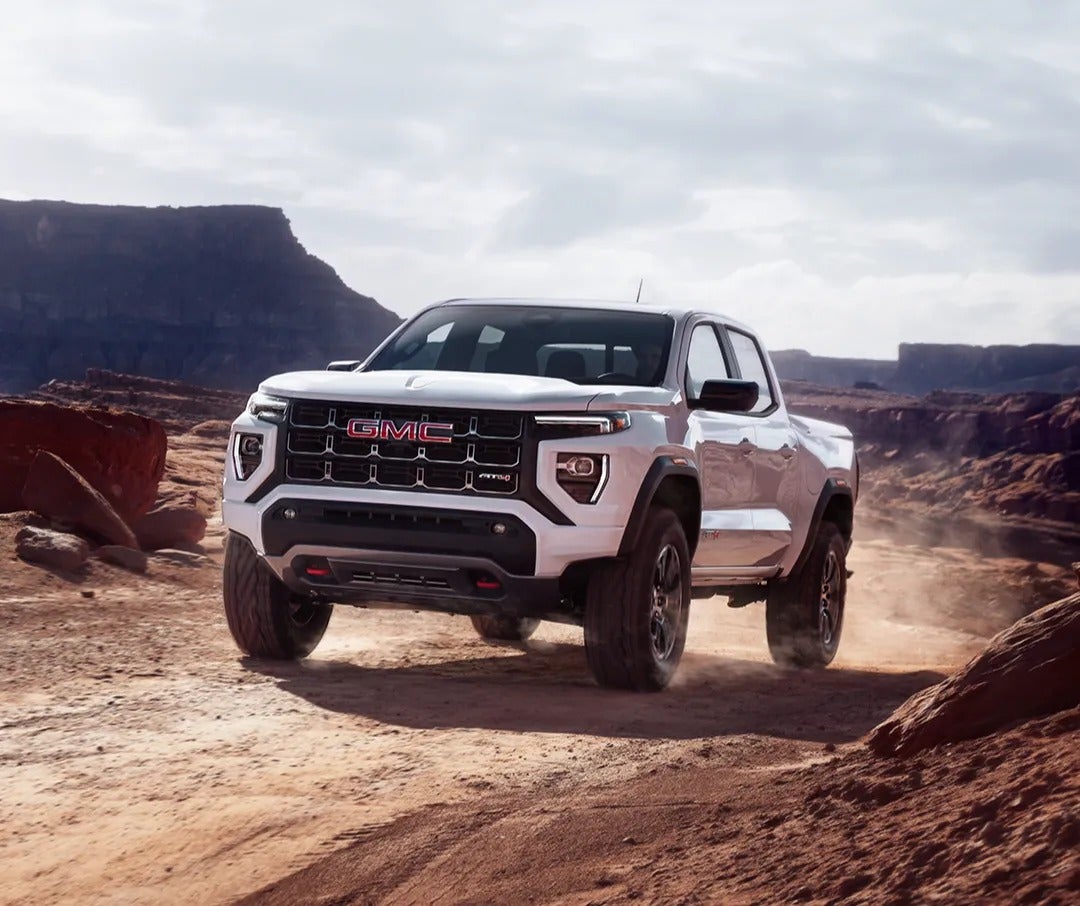
woman signing paperwork with a car ssalesman while sitting in a car

Test Driving a Car? Here's What to Bring With You

Taking a car out for a test drive is one of the most exciting steps in finding your next vehicle. But did you know there are a few essentials you should bring with you to make the most of the experience? Whether you're eyeing a rugged GMC Sierra or a luxurious Buick Enclave, being prepared ensures you can focus on what matters—finding the perfect fit. At Phillips Buick GMC, we’re here to make your test-driving journey seamless and enjoyable. Stop by our dealership or give us a call today, and let us help you get behind the wheel of your dream car! What should you bring for a car test drive? Bring your driver’s license, proof of insurance, and a notebook to jot down any observations or questions. Why a Thorough Test Drive Matters A test drive is more than just a quick trip around the block—it’s a vital part of finding the right vehicle for your needs. It’s the best opportunity to experience how a car fits your lifestyle, offering a chance to assess performance, comfort, and functionality. Whether you’re considering the smooth handling of the Buick Encore GX, the rugged power of the GMC Sierra 1500, or the family-friendly capabilities of the GMC Yukon, the right test drive will help you understand how each vehicle performs where it counts. A thorough test drive can help you gauge how a car will handle real-life driving situations, from daily errands to long road trips. Before you even step into the car, think about what you need from a vehicle. Does it have enough space for your family? Whether you're testing the compact Buick Encore GX or the spacious GMC Yukon, the amount of legroom and cargo space should meet your needs. Are the seats comfortable for long trips, or do they provide enough support for daily commuting? If you're considering the GMC Sierra 1500, you’ll want to know how comfortable it feels when sitting behind the wheel for extended periods, especially on rougher terrain or on a long haul. How does the car handle on city streets, highways, or even off-road conditions if applicable? By developing a test drive checklist that includes these key points, you can ensure you get the most out of the experience. It’s also important to bring the right items with you to the test drive to get a true sense of the vehicle's fit in your life. Don’t forget your driver’s license and proof of insurance—these are essential for any test drive. Think about the daily items you typically carry in your car, like a car seat for children, pet carriers, or sports gear. By bringing these along, you can test how well the car meets your specific needs. For instance, if you have kids, the GMC Yukon may offer more space for a car seat, while the Buick Encore GX may offer more ease of access for daily errands. Carrying your everyday items ensures that the car will truly serve you well after you drive off the lot. Test-driving tips can also make a big difference in helping you feel confident about your decision. Start slow and drive calmly to get a feel for the car’s comfort, braking, and handling. Pay attention to how the seats feel, how easy it is to adjust the mirrors, and how quickly you can adapt to the controls. Then, take the vehicle on faster roads to test its acceleration and braking. How does it feel when you step on the gas? Does the car accelerate smoothly, or does it hesitate? Does it brake sharply or smoothly? Testing these elements on highways or side streets will help you understand how the car performs in different conditions. Don’t rush through the test drive—take your time. The more you test and notice, the better decision you can make. By following these simple steps, you’ll leave Phillips Buick GMC with a clear sense of whether the Buick Encore GX, GMC Sierra 1500, or GMC Yukon is the right fit for your lifestyle. We understand that choosing a car is a big decision, and we’re here to help make sure that the vehicle you choose feels just right. Our team is ready to assist you in finding a car that checks off all the boxes, from comfort and handling to practicality and performance. Come test drive with us today! What to Bring for a Stress-Free Test Drive Heading out for a car test drive? Proper preparation can make all the difference. With just a little planning, your experience can be smooth, enjoyable, and stress-free. Whether you're testing the Buick Encore GX, the GMC Sierra 1500, or the spacious GMC Yukon, having the right items on hand helps you make the most of your time at the dealership and ensures you can properly evaluate the vehicle. Start with the essentials. You’ll need your driver’s license and proof of insurance—these are standard requirements for any test drive. Without these documents, you won’t be able to take the vehicle out on the road. It’s also a good idea to bring a pen and notebook or your phone, so you can jot down any important features or questions that come to mind during your test drive. Whether you're considering the stylish Buick Encore GX or the rugged GMC Sierra 1500, making notes helps you remember key details when you're ready to make a decision. Think about your daily needs and how they might impact your experience. If you often carry kids or pets, be sure to bring a car seat or a pet carrier to test the fit. You’ll want to know how easy it is to install a car seat in the back of the Buick Encore GX or how much space is available in the GMC Yukon for your family. Similarly, loading up bulky items, like a stroller, luggage, or sports gear, allows you to evaluate whether the vehicle’s cargo space is sufficient for your lifestyle. If you’re used to hauling gear in your vehicle, the GMC Sierra 1500’s truck bed or the Yukon’s spacious interior might be a better fit. Comfort matters, too. Wear the shoes you typically drive in. This will help you get a feel for how the pedals respond, whether you're driving the smaller Encore GX or the larger GMC Yukon. During your test drive, don’t forget to test the vehicle’s controls. Are the air conditioning settings easy to adjust while driving? Can you quickly navigate the touchscreen display for music, navigation, or phone calls? Make sure the seating adjustments are straightforward, and that the seats provide enough comfort and support for your needs. These small steps ensure the vehicle fits your daily routine, whether you're looking for a compact SUV or a powerful, full-sized truck. By bringing the right items and thinking through your daily needs, you'll be able to assess the vehicle from all angles. This will help you decide if it truly fits your lifestyle. At Phillips Buick GMC, we're dedicated to making your test drive experience as smooth and stress-free as possible. Our friendly staff is here to help you explore our wide selection of vehicles, ensuring that you find the right car or truck for you. So, come prepared, and leave with the confidence to make the best choice! Preparing for Your Test Drive Like a Pro When you’re ready to test drive a car, being well-prepared can make all the difference. Whether you’re interested in a compact Buick Encore GX, a powerful GMC Sierra 1500, or a spacious GMC Yukon, a little planning beforehand can help you get the most out of your experience. Start by reviewing your test drive checklist before you head to the dealership. This will ensure you don’t overlook any important details and make the best decision possible. First, gather the essentials. Your driver’s license and proof of insurance are required for any test drive, so make sure to have them on hand. It’s a good idea to bring a notepad or use your phone to take notes throughout the test drive. As you drive, jot down your thoughts on key factors like the comfort of the ride, how the car handles, and the ease of using the vehicle’s features. This will help you remember important details later on, especially when comparing multiple vehicles, such as the Buick Encore GX and the GMC Sierra 1500. Next, think about your everyday needs and how they might impact your driving experience. For example, if you often carry a lot of gear, bring along a bag or cooler to test the vehicle’s cargo space. Does the Buick Encore GX offer enough storage for your daily needs, or do you need the larger capacity of a GMC Yukon? If you have young children, consider bringing a car seat to check how easily it fits into the back of the car. These simple steps will give you a better understanding of how the vehicle works with your lifestyle and help you assess whether it will be a good fit for your daily routine. Don’t forget to think about the type of driving conditions you typically encounter. Try to drive the car in the environments where you’ll be spending the most time. For example, take the car on city streets, highways, and even rougher roads if possible. This will give you a real sense of how the car handles in different situations. If you’re considering a rugged truck like the GMC Sierra 1500, you’ll want to see how it performs on highways and rougher terrain. On the other hand, if you're looking at the family-friendly GMC Yukon, you may want to test how it feels when navigating tight city streets or when parking in crowded areas. A well-prepared test drive ensures you make an informed decision. Whether you're drawn to the efficiency and compact nature of the Buick Encore GX or the power and space offered by the GMC Sierra 1500 or GMC Yukon, taking the time to plan ahead will help you get the most out of your experience. By thinking through your everyday needs and reviewing your checklist, you can make sure you test drive a vehicle that truly fits your lifestyle. What to Look for Behind the Wheel When you're behind the wheel of a car during your test drive, your goal is to assess how the vehicle feels and how well it fits your driving needs. Whether you’re driving a compact Buick Encore GX, a rugged GMC Sierra 1500, or a spacious GMC Yukon, you should feel comfortable, confident, and in control. Comfort and ease of use should be your top priorities. First, start by adjusting the seat and steering wheel. Ensure that both are easy to adjust and that you can find a comfortable driving position. The seat should provide ample support for your back and legs, especially if you plan to take long trips. Pay attention to the materials of the seats too, as comfort levels can vary between models. Whether you prefer a firm seat or something more plush, ensure it meets your comfort preferences. Next, focus on the car’s handling, particularly when making turns or quick stops. Does the steering feel smooth, or is it jerky? A smooth steering experience is essential, especially when navigating tight spaces or making quick lane changes. For larger vehicles like the GMC Yukon or Sierra 1500, you’ll want to ensure the car handles well, even when driving at higher speeds or taking sharp turns. The last thing you want is to feel like you’re losing control, so a steady and responsive ride is key. Make sure the vehicle stays stable on the road and provides the confidence you need, whether you’re cruising on the highway or tackling winding backroads. Another critical aspect to evaluate is visibility. Make sure there are no significant blind spots that could interfere with your ability to see other vehicles or pedestrians. Adjust the mirrors, and check how easily you can see out of the front, sides, and rear. A good line of sight is crucial for safety, especially when driving a larger vehicle like the GMC Sierra 1500, where visibility can sometimes be an issue due to the truck's size. You’ll want to feel confident while parking or changing lanes. Lastly, don’t overlook the car’s features. Test out the infotainment system to see how user-friendly it is. Are the controls easy to reach and use? Is the touchscreen responsive, and does it pair with your smartphone effortlessly? Make sure to test out other features, such as air conditioning and seat controls, to ensure everything works properly. This is your opportunity to see if the Buick Encore GX, GMC Sierra 1500, or GMC Yukon fits seamlessly into your daily routine and if you’re comfortable using the car’s technology. By paying attention to these key details during your test drive, you can determine if the vehicle is a good fit for your lifestyle and driving preferences. Whether you’re looking for a compact, efficient ride or a powerful, spacious SUV or truck, making sure the car feels right behind the wheel is crucial for a satisfying driving experience. Tips to Get the Most Out of Your Test Drive To get the best experience during your car test drive, it’s important to come prepared. Start by creating a test drive checklist. This list will help you focus on the key features that matter most to you, like comfort, handling, and safety. Whether you’re test driving a Buick Encore GX, GMC Sierra 1500, or GMC Yukon, it’s essential to be thorough and consider all the factors that could affect your driving experience. When you go for your test drive, bring along your everyday items such as your phone, wallet, and any kids or pets if they’re part of your daily routine. Doing so helps you assess how well the car fits your lifestyle. For instance, check if your phone connects easily to the infotainment system or if there’s enough space for your bags or a stroller in the backseat. These small details make a big difference when choosing a vehicle. It’s also important to drive in different conditions. Take the car on highways, side streets, and even bumpy roads if possible. This will give you a feel for how the car performs in a variety of situations. Pay close attention to the ride quality, the engine’s response, and how the car handles turns. A car like the GMC Yukon, with its larger size, may handle differently than a more compact vehicle like the Buick Encore GX, so take note of how each one drives under different conditions. Finally, don't hesitate to ask questions during your test drive. The salesperson is there to help and guide you through the features and benefits of the vehicle. Make sure to inquire about things that are most important to you, such as fuel efficiency, safety ratings, or towing capacity. If you’re considering a powerful truck like the GMC Sierra 1500, it’s especially important to ask about towing capabilities and payload ratings to ensure it meets your needs. By being prepared and asking the right questions, you can make the most out of your test drive experience and confidently choose the right vehicle for your lifestyle. Common Questions About Taking a Test Drive How long should a test drive take? A typical test drive lasts between 15 and 30 minutes, depending on the route and your preferences. What questions should I ask during a car test drive? Ask about the car’s features, fuel efficiency, maintenance needs, warranty coverage, and any available promotions or deals. Can I test-drive multiple cars in one visit? Yes, most dealerships allow you to test-drive multiple vehicles in a single visit to compare options. Are there any documents I need for a test drive? You’ll need a valid driver’s license. Some dealerships may also ask for proof of insurance. Ready to Test Drive Your Next Vehicle? At Phillips Buick GMC, we invite you to explore our wide selection of vehicles, including the Buick Encore GX, GMC Sierra 1500, and GMC Yukon. Whether you're from Lady Lake, Whitney, Leesburg, or Lisbon, we are here to help you find the perfect car that fits your needs. Our friendly team is ready to answer your questions and make your test drive experience stress-free. Visit our inventory page to see the latest models. You’ll find a variety of options that meet your lifestyle and driving preferences. Want to learn more about your options? Explore our blog to discover important topics like Which GMC Trucks Come with a Diesel Engine? and Can Any Mechanic Work on Diesel Trucks? We also cover exciting details about the Trim and Paint Options on the 2025 Buick Envista. These articles provide valuable insights to help you make the best decision when choosing your next vehicle. Feel free to visit us in person or browse our website to get started. Contact us today to schedule your test drive, and let us help you find the perfect car!

Person holding a sparkplug with a glove in front of an open engine hood

Replacing Spark Plugs in Your GMC: Your Step-By-Step Guide [2026]

Your GMC is built for power, performance, and reliability—but even the toughest engines need a little TLC. Replacing spark plugs is a simple maintenance task that can have a huge impact on your vehicle's efficiency and longevity. Whether you're cruising around Lady Lake in a GMC Acadia, tackling tough terrain in a GMC Sierra 2500, or enjoying a smooth ride in a Buick Envista, fresh spark plugs are the secret to keeping your engine running like new. In this step-by-step guide, we’ll walk you through the process of replacing spark plugs in your GMC. Ready to boost your vehicle’s performance? Let’s dive in! And if you’d rather leave it to the pros, the team at Phillips Buick GMC is here to help—just give us a call! Schedule Service Get Directions Contact Us When to Replace Spark Plugs: Timing Is Everything Knowing when to replace spark plugs in your GMC is crucial for keeping your engine running smoothly. Spark plugs are a small but mighty component of your vehicle’s engine. Over time, they can wear out, causing misfires, poor fuel economy, and rough idling. Fortunately, replacing spark plugs is simple and can make a big difference in the performance of your GMC, whether you drive a GMC Acadia, a Buick Envista, or a GMC Sierra 2500. Most vehicles, including your GMC, need spark plugs replaced every 30,000 to 100,000 miles. But how do you know when exactly to replace them? It depends on several factors. Driving conditions, the type of spark plug, and even your specific model can influence the replacement interval. For example, if you drive mostly in stop-and-go traffic in Leesburg or Whitney, your spark plugs may wear out faster. Always check your vehicle’s manual for the recommended mileage range. If you're unsure, look for signs that your spark plugs might be on their way out. Difficulty starting your engine, rough idling, or decreased acceleration are all clues. Also, poor fuel efficiency or a noticeable drop in engine power might mean it’s time for spark plug repair. Catching these issues early can prevent more costly problems down the road. A simple spark plug replacement can even improve your GMC engine’s overall performance. Whether you're behind the wheel of a GMC Acadia or the power-packed GMC Sierra 2500, a well-maintained engine is always the goal. Preparing for the Job: Essential Tools and Materials Before you begin replacing the spark plugs in your GMC, it’s important to gather the right tools and materials. Having everything ready will help the job go smoothly and ensure you get the best results. For most GMC models, like the GMC Acadia, Buick Envista, or GMC Sierra 2500, you’ll need a few basic items that are easy to find. Here’s what you’ll need to get started. First, you’ll need a spark plug socket. This specialized tool is designed to fit the shape of the spark plug, making it easier to remove them without damaging the part. You’ll also need a ratchet wrench for loosening and tightening the spark plugs. An extension bar can be helpful, especially if your spark plugs are in hard-to-reach spots. Don’t forget a gap gauge, which ensures the new spark plugs are set to the correct gap for optimal performance. This is important for your GMC engine tune-up and will help your vehicle run more efficiently. Next, make sure you have the correct spark plugs for your vehicle. Depending on whether you drive a GMC Acadia, Buick Envista, or GMC Sierra 2500, the spark plug requirements may vary. Always check your owner’s manual for the specific type of spark plugs needed. For the best results, use high-quality GMC spark plugs designed for your engine. Finally, you'll need a torque wrench. This will ensure that you don’t over-tighten or under-tighten the new spark plugs, which could cause problems down the line. With these tools and materials in hand, you’re ready to replace spark plugs and perform a spark plug repair that keeps your GMC running smoothly. Accessing the Spark Plugs in Your GMC: Finding the Right Spot To replace spark plugs in your GMC, you first need to locate them in your engine. Spark plugs are tucked away under the engine components, so finding the right spot can take a little patience. In most GMC models like the GMC Acadia, Buick Envista, and GMC Sierra 2500, the spark plugs are usually positioned on top of the engine. But accessing them can require some work, especially if they’re covered by other parts. Start by opening the hood and finding the engine. In many cases, you’ll need to remove any engine covers or plastic pieces that block access to the spark plugs. These covers are usually easy to remove with a simple tool, such as a screwdriver or a wrench. Once the covers are off, you’ll see the ignition coils or spark plug wires. These parts must be carefully removed to access the GMC spark plugs beneath them. If your GMC model has an ignition coil, you may need to disconnect it before proceeding with the spark plug replacement. After removing the necessary components, the spark plugs should be clearly visible in the engine. On the GMC Sierra 2500, you may have to navigate around other engine parts to get a clear view. The key is to be gentle and avoid forcing any parts, as doing so could cause damage. Once the spark plugs are fully exposed, you’re ready to begin the process of spark plug repair or replacement. Make sure you note the location of each spark plug so you can replace them properly. This step ensures your GMC engine tune-up is done correctly, whether you’re working on a GMC Acadia or Buick Envista. Removing the Old Spark Plugs: The Right Way Now that you've accessed the spark plugs in your GMC, it's time to remove the old ones. Start by making sure your engine is cool before working. If the engine is hot, you risk damaging the threads when you remove the old GMC spark plugs. Once you're sure it's safe, gather your tools: a ratchet wrench, spark plug socket, and extension bar. These will help you remove the spark plugs without causing damage. Begin by using the ratchet wrench to loosen the spark plug. Insert the spark plug socket over the plug and carefully turn it counterclockwise. If you're working on a GMC Acadia or Buick Envista, the spark plugs should come out with little effort. However, in some cases, you might find them stuck due to corrosion or carbon buildup. If that happens, use a penetrating fluid to loosen them up. Let the fluid sit for a few minutes before trying again. As you remove each spark plug, take note of its condition. Spark plugs can show signs of wear, such as deposits or damage. These signs indicate the need for spark plug repair or replacement. Pay attention to how each spark plug is positioned in the engine. This will help you when you’re installing the new plugs. For vehicles like the GMC Sierra 2500, the removal process is similar, but make sure to carefully handle the spark plugs to avoid breaking them. Removing old spark plugs correctly is an important part of the GMC engine tune-up, ensuring your engine runs smoothly. Inspecting and Preparing New Spark Plugs for Installation Before you install the new spark plugs in your GMC, it’s important to inspect them first. Even brand-new spark plugs can have issues if they’re damaged during shipping or handling. Take a moment to carefully check each one for any visible cracks, chips, or defects. If the spark plugs look damaged, do not attempt to install them. Instead, replace them with new ones to avoid damaging your engine. Once you’ve confirmed that the new spark plugs are in good condition, it’s time to check the spark plug gap. The gap between the electrodes on the spark plug is crucial for proper ignition. If the gap is too wide or narrow, it can affect the engine’s performance. For a GMC engine tune-up, make sure the gap is set according to the manufacturer’s specifications. You can use a gap gauge tool to measure the gap, adjusting it as needed. This step is especially important when replacing spark plugs in models like the GMC Acadia or Buick Envista. When you're confident that the new GMC spark plugs are properly prepared, you're ready to install them. But don’t forget that preparation is key to avoiding common issues. A proper gap will ensure smoother engine performance and prevent future spark plug repair. Whether you're working on a GMC Sierra 2500 or another GMC vehicle, taking time to inspect and prepare the spark plugs is essential. This extra care can help prevent misfires, poor fuel economy, and other engine issues down the line. Installing New Spark Plugs: Precision Is Key When installing new spark plugs in your GMC, precision is critical. Whether you’re working on a GMC Acadia, Buick Envista, and GMC Sierra 2500, each spark plug must be installed carefully to ensure optimal engine performance. Begin by gently threading the new spark plugs into the engine by hand. This helps prevent cross-threading, which can damage both the spark plug and the engine. Take your time with this step—rushing could lead to mistakes. After the spark plug is hand-threaded into place, use a torque wrench to tighten it to the manufacturer’s specified torque. Each GMC vehicle, including the Acadia, Envista, and Sierra 2500, will have its own specific torque requirement. Check your vehicle’s manual for the correct value. Tighten the spark plug slowly and steadily, avoiding over-tightening, which could damage the threads or the spark plug itself. Proper torque ensures that the spark plug is sealed correctly and operates efficiently. Once the new spark plugs are installed, check each one to ensure they are seated properly. If you’ve taken your time and followed the steps, your GMC spark plugs should now be ready to perform. A precise installation is key to a successful GMC engine tune-up. It ensures that your engine runs smoothly and that the new spark plugs contribute to better fuel efficiency and fewer misfires. Whether you're maintaining your GMC Acadia or replacing spark plugs in a GMC Sierra 2500, this step will help keep your vehicle in top condition. Putting Everything Back Together: Reassembly and Testing After installing the new GMC spark plugs, it’s time to reassemble the engine. This is a straightforward step, but it’s just as important as the others. Start by replacing any parts or covers you removed to access the spark plugs. In most GMC vehicles, such as the GMC Acadia, Buick Envista, and GMC Sierra 2500, this will involve putting back engine covers or ignition coil components. Ensure that each part is correctly positioned and securely fastened. Any loose components can affect the vehicle’s performance. Next, double-check everything. Before starting your vehicle, make sure the spark plug wires or ignition coils are properly reconnected. This is a critical step in ensuring your spark plug repair is successful. A loose connection can lead to misfires, poor engine performance, or trouble starting the vehicle. If you removed any other engine components to access the spark plugs, such as air filters or hoses, make sure they are also reattached correctly. This will avoid any issues down the road and help keep your GMC running smoothly. Now, it’s time to test your work. Start your engine and listen for any signs of trouble. A smooth idle and quiet operation are the signs of a successful spark plug replacement. If your GMC Acadia, Buick Envista, or GMC Sierra 2500 is running smoothly without misfires, your GMC engine tune-up is complete. If the engine seems rough or you hear odd noises, it’s worth double-checking the installation. Proper reassembly and testing ensure that your spark plug replacement job contributes to long-lasting engine health and improved fuel efficiency. Common Questions About Replacing Sparkplugs How often should I replace spark plugs in my GMC? Spark plugs in a GMC should generally be replaced every 30,000 to 100,000 miles, depending on the model and type of spark plugs used. What are the signs of bad spark plugs in a GMC? Signs of bad spark plugs include rough idling, misfires, poor fuel economy, difficulty starting the engine, and engine hesitation. Can I replace GMC spark plugs myself? Yes, you can replace GMC spark plugs yourself if you have the right tools, knowledge, and some basic experience with car maintenance. What tools are needed for spark plug repair? The tools needed for spark plug repair include a spark plug socket, a ratchet wrench, a torque wrench, dielectric grease, and anti-seize lubricant. Does replacing spark plugs improve engine performance? Yes, replacing spark plugs can improve engine performance by restoring smooth ignition, improving fuel efficiency, and ensuring proper engine operation. Get Your Buick or GMC's Sparkplugs Replaced Today Now that you know the basics of spark plug maintenance, it’s important to keep your GMC or Buick in top condition. Whether you need help with spark plug repair or a GMC engine tune-up, Phillips Buick GMC is here to assist. Our expert technicians are ready to provide top-notch service for your vehicle, ensuring it runs smoothly. For those in Lady Lake, Whitney, Leesburg, or Lisbon, we invite you to explore our wide selection of vehicles, including the GMC Acadia, Buick Envista, and GMC Sierra 2500. We have the perfect vehicle to fit your needs and lifestyle. Be sure to check out our service page to learn more about our maintenance services and schedule your next appointment. While you're here, you might also find it helpful to learn about how often your Buick needs an oil change, or dive into our guide on trim and paint options for the 2025 Buick Enclave. If you're dealing with a vehicle that's experienced water damage after a storm, we have tips on what to do if your car has water damage. Explore these resources and more to keep your car in peak condition. At Phillips Buick GMC, we’re here to help with all your vehicle maintenance needs. Don’t hesitate to reach out for more information or to schedule a service. Let us help you keep your car running at its best! Schedule a Service Appointment Get Directions to Phillips Buick GMC Disclaimer: All information is provided for general informational and entertainment purposes only. While we strive for accuracy, we cannot guarantee that all content is complete, current, or error-free. Any reliance you place on such information is strictly at your own risk. This article may include opinions and is not endorsed by, or officially affiliated with, any vehicle manufacturer or brand. Always consult official sources – such as the vehicle’s owner’s manual, authorized dealerships, or certified professionals – for the most up-to-date and personalized information.

Contact Us

Fill out this form below and we'll contact you shortly
*Required Fields