



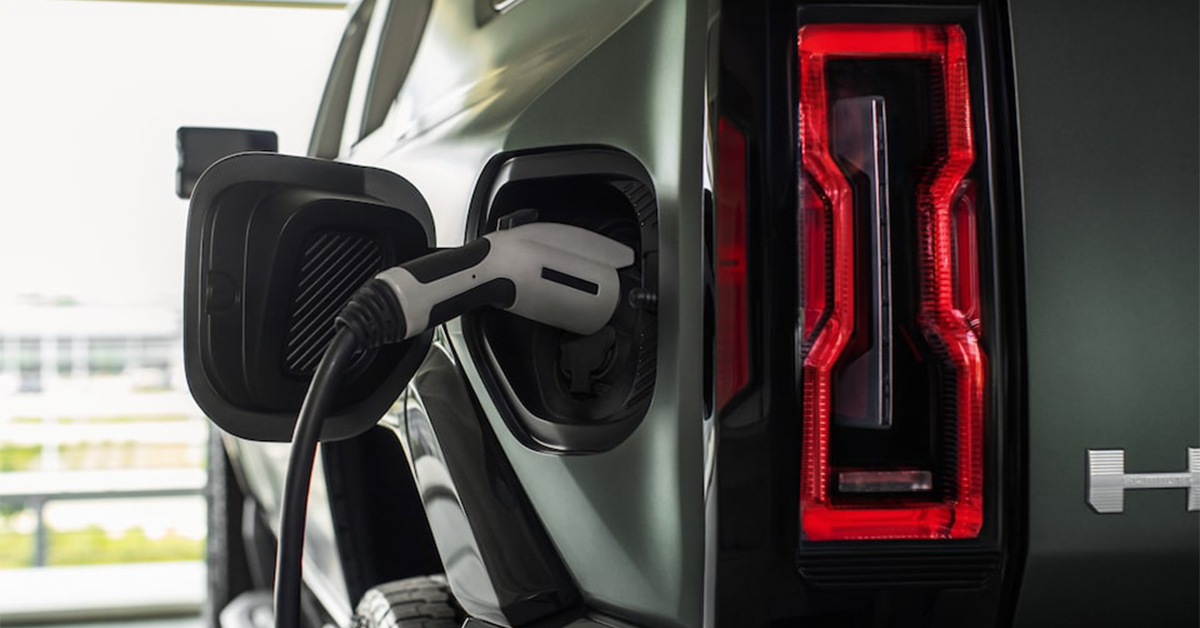
When it comes to electric vehicles (EVs), one question many drivers have is, “Why does charging take so long?” Whether you’re behind the wheel of a Hummer EV SUV, the Hummer EV Pickup, or the Sierra EV, understanding the factors that affect charging times can help you plan your day and manage your vehicle’s range more efficiently. Unlike refueling a traditional gas-powered car, EV charging times can vary greatly depending on several factors. In this article, we’ll break down the key reasons why EV charging can take longer than expected and how you can optimize the process for your electric vehicle. At Phillips Buick GMC, we’re here to help you navigate the world of electric vehicles, so feel free to reach out to us for more information or visit our dealership to explore the latest models.
Factors that Influence Your EV’s Charging Time
Charging your electric vehicle (EV) might take longer than you expect, but there are several factors that influence the time it takes to get your battery to 100%. Understanding these key factors can help you manage your driving schedule and keep your EV running smoothly. Here are the main reasons behind why EV charging can be slow and how each one impacts electric vehicle charge duration:
1. Charging Equipment
Not all charging equipment is the same. The type of charger you use has a significant impact on how long it will take to charge your vehicle.
2. Battery Size
Larger batteries take longer to charge. The Hummer EV SUV, for example, comes with a 205 kWh battery, while a vehicle with a smaller battery, like the Sierra EV, will require less time to reach a full charge.
The bigger the battery, the more energy it takes to fill up, which means longer charge times, even when using fast chargers. This is a big reason for why EV charging can feel slow, especially if you’re trying to charge a high-capacity battery quickly.
3. Charger Capacity
Another factor is the onboard charger in the vehicle. The onboard charger converts the electricity from the power source into energy that charges the battery. If your EV has a smaller onboard charger, it will take longer to charge the battery. For example, if a vehicle like the Hummer EV Pickup has a charger rated at a lower capacity, it will be slower compared to other vehicles with more powerful charging systems.
4. Battery Condition and Temperature
The temperature of the battery can also affect charging times. When temperatures are very cold or extremely hot, the battery’s charging efficiency decreases. This can cause longer charging times, even on fast chargers. Keeping your EV in a moderate climate can help reduce slow EV charger reasons related to temperature issues.
5. State of Charge (SoC)
Where your battery stands when you begin charging plays a role. Charging a battery from 10% to 80% is much faster than charging from 80% to 100%. This is why many drivers use DC fast chargers to add 80% of the charge in a quick time, then rely on Level 2 chargers for the final 20%.
6. Charging Source Availability
Where you charge your EV matters too. If you’re using a public charging station with multiple users, the available power might be split, slowing down the charging time. This is why charging at home with a dedicated Level 2 charger is often the most reliable option.
How Does the Type of Charger Affect EV Charging Times?
The type of charger you use is one of the most significant factors that determine how long it will take to charge your electric vehicle (EV). Charging speeds can vary greatly, and understanding how different chargers work can help explain why some EV charging times are longer than others. Here’s a breakdown of the key charger types and how they impact the time it takes to charge your vehicle.
1. Level 1 Charger (120 volts)
- Speed: This is the slowest charger, usually a standard household outlet. It adds about 2 to 5 miles of range per hour.
- Best for: Overnight charging when you don’t need a fast charge.
- EVs Affected: While it’s fine for smaller EVs or lower-mileage trips, a large battery, like the one in the Hummer EV Pickup, could take several days to fully charge on a Level 1 charger. This is a major reason why EV charging can feel slow.
2. Level 2 Charger (240 volts)
- Speed: This type is much faster, providing around 10 to 60 miles of range per hour, depending on the vehicle.
- Best for: Home installation, public charging stations, and daily use.
- EVs Affected: With larger batteries, like the one in the Hummer EV SUV, a Level 2 charger can take several hours to fully charge the vehicle. But it’s still a much quicker option than Level 1.
3. DC Fast Charger (400 volts or more)
- Speed: The fastest option available. DC fast chargers can add 100 miles of range in as little as 20 minutes.
- Best for: Quick charging during long trips or when you’re in a hurry.
- EVs Affected: Even the largest EVs, like the Sierra EV or Hummer EV Pickup, benefit from the speed of DC fast chargers, but keep in mind that the last 20% of the battery may still take longer to fill, slowing down the overall charge time.
4. Superchargers (Tesla-Specific)
- Speed: Tesla Superchargers are a variant of DC fast charging, providing rapid charge times for Tesla vehicles.
- Best for: Tesla owners looking for quick top-ups during longer trips.
- EVs Affected: These chargers are specific to Tesla vehicles, so they don’t work with all EV models. This is important to consider if you’re driving a Hummer EV or Sierra EV.
Charging Speed Summary
| Charger Type | Typical Speed | Best For |
| Level 1 (120V) | 2 to 5 miles per hour | Overnight, low-mileage driving |
| Level 2 (240V) | 10 to 60 miles per hour | Home installation, daily use |
| DC Fast Charger | 100+ miles in 20 minutes | Quick top-ups during long trips |
| Tesla Supercharger | 150+ miles in 30 minutes | Tesla-specific, fast long-distance charging |
In conclusion, the type of charger you use greatly impacts your EV’s charging speed. Whether you’re driving a Hummer EV Pickup or a Sierra EV, knowing which charger to use for your situation can save time and reduce frustration.
Why Is Your EV Charging So Slow? Identifying the Reasons
If you’ve noticed your electric vehicle (EV) taking longer to charge than expected, you’re not alone. There are several reasons why charging times might be slower than you’d like. Let’s explore some common issues that can cause slower charging speeds and what you can do to fix them.
1. Using the Wrong Charger
The type of charger you use plays a significant role in charging speed. A Level 1 charger (120 volts) will charge your vehicle much slower than a Level 2 charger (240 volts) or a DC fast charger.
- Level 1 chargers: Often the cause of slow EV charging because they provide minimal power. If you’re charging a large battery, like that in the Hummer EV Pickup or Sierra EV, the process can take over a day.
- Level 2 chargers: Offer a faster solution, but even they might not be quick enough for EVs with larger batteries. If you’re charging a Hummer EV SUV, you might still need several hours.
2. Battery Size and State of Charge
The size of your vehicle’s battery affects how long it takes to charge. Larger batteries, like those in the Hummer EV SUV, take longer to charge than smaller ones. Also, if your battery is nearly empty, it may take longer to charge initially.
- Battery size: The bigger the battery, the longer it will take to charge.
- State of charge: Charging is usually faster when the battery isn’t fully drained.
3. Charging Station or Outlet Issues
Sometimes, the issue lies with the charging station or outlet. If the station isn’t providing enough power, or if there’s an issue with the electrical wiring, charging could take much longer.
- Overloaded circuits: Multiple cars charging at the same time can slow down your EV’s charge.
- Wiring issues: Faulty or old wiring can reduce the power supply, affecting your charging speed.
4. Vehicle Software and Settings
Some EVs may have settings that limit charging speeds. These settings can be adjusted, but it’s easy to overlook them. Check your vehicle’s settings to make sure nothing is limiting your charging speed.
5. Temperature Impact
Extreme temperatures—either hot or cold—can slow down the charging process. EV batteries don’t perform as well in extreme weather conditions. If it’s very hot or cold outside, your vehicle may take longer to charge.
6. Charger Compatibility and Condition
Not all chargers are created equal. Older chargers or ones that aren’t properly maintained might charge more slowly. Make sure your charger is up-to-date and compatible with your vehicle.
Common Slow Charging Reasons:
| Cause | Description |
| Wrong charger type | Level 1 chargers provide slower charging speeds. |
| Large battery size | Larger EV batteries take longer to charge. |
| Charging station issues | Poor wiring or overloaded circuits slow charging. |
| Vehicle settings | Some settings limit charging speeds. |
| Extreme temperatures | Hot or cold weather can affect battery performance. |
| Charger condition | Outdated or damaged chargers slow down the process. |
By addressing these common slow charging issues, you can help speed up the process and get back on the road faster. Whether you’re driving a Sierra EV or a Hummer EV Pickup, understanding the factors that influence EV charging times can make a big difference in your experience.
What Is the Role of Battery Size in EV Charging Times?
Battery size plays a crucial role in how long it takes to charge your electric vehicle (EV). Larger batteries take longer to charge than smaller ones, and this can be one of the main reasons why you might experience slower charging times. Let’s explore how battery size impacts EV charging and what it means for you as a driver.
1. Larger Batteries Mean Longer Charging Times
EVs with larger batteries, like the Hummer EV SUV or Hummer EV Pickup, require more time to charge. A larger battery stores more energy, and charging it takes longer than charging a smaller battery. This is especially noticeable when you’re using a Level 1 charger, which is typically slower.
- More energy to store: Bigger batteries need more time to charge fully.
- Longer duration for large EVs: Charging times can extend several hours or even a full day for larger EVs.
2. Battery Charge State and Size
The state of charge in your EV’s battery also affects how long it takes to charge. When a battery is nearly empty, it usually takes longer to charge initially. However, as the battery fills up, the charging time decreases.
- Empty battery: It takes more time to charge when the battery is near empty.
- Full battery: Charging time decreases once the battery is partially charged.
3. Impact on Charging Speed Across Different Chargers
A larger battery may still charge faster on a higher-powered charger. For example, a Level 2 charger will typically charge a larger battery much faster than a Level 1 charger. However, even with a Level 2 charger, a large battery will still take longer than a smaller one.
4. Battery Chemistry and Size
Different battery chemistries can impact charging times. While size is important, the materials used in the battery, such as lithium-ion, also play a role in how quickly energy can be stored.
- Lithium-ion batteries: Most EVs, including the Sierra EV, use lithium-ion batteries, which are generally efficient but still take time to charge depending on size.
- Battery management: Some EVs include battery management systems to optimize charging speeds based on the battery size and state of charge.
Key Points About Battery Size and Charging Times:
| Factor | Impact on Charging |
| Larger battery size | Takes longer to charge due to more energy storage. |
| Battery charge state | Empty batteries take longer to charge initially. |
| Charger type | Level 1 chargers slow down charging for larger batteries. |
| Battery chemistry | Impacts charging efficiency and time. |
Understanding the role of battery size in EV charging times helps set realistic expectations when you’re planning your charging sessions. Whether you’re driving a large vehicle like the Hummer EV Pickup or a more compact model, knowing how battery size affects your charging duration can help you manage your time better.
Why Does EV Charging Slow Down After a Certain Point?
Have you ever noticed that your electric vehicle’s (EV) charging speed seems to slow down as it gets closer to a full charge? This is a common phenomenon, and it’s due to several factors. Understanding why this happens can help you manage your charging sessions more effectively and avoid any surprises.
1. Battery Management System (BMS) Regulation
As your EV’s battery fills up, the Battery Management System (BMS) works to prevent overcharging. It does this by slowing down the charging speed as the battery approaches full capacity. This ensures the battery is charged safely and helps protect its lifespan.
- Preventing overcharging: The system reduces the charge rate to prevent damage.
- Maximizing battery life: Slow charging as the battery fills helps keep it healthy.
2. The Charging Curve
When charging an EV, the charging speed isn’t constant. Early on, the charging process is faster, as the battery can accept more energy at a higher rate. As the battery fills up, the speed slows down. This is often called a “charging curve.”
- Faster at the start: Batteries charge quickly when they are empty.
- Slower as you go: The last 20-30% of the charge is slower to protect the battery.
3. Temperature Control
Charging generates heat, and as the battery fills up, it may get hotter. To protect the battery from overheating, the charging speed may be reduced. This is especially true in larger EVs, like the Hummer EV Pickup or Sierra EV, which have bigger batteries and are more prone to heat buildup.
- Overheating protection: Slower charging helps avoid excessive heat that could damage the battery.
- Battery cooling: Some EVs have built-in cooling systems to manage temperature during charging.
4. Charger Limitations
Not all chargers are capable of delivering power at a consistent rate throughout the entire charging process. Some chargers, especially slower ones like Level 1 chargers, may start charging fast but then slow down as the battery nears full capacity. Even with faster chargers like Level 2, the charging speed will decrease as the battery fills up.
- Charger type: Level 1 chargers are slower and see a noticeable drop in speed as the battery fills.
- Fast chargers: Even high-speed chargers like Level 3 slow down in the final stages.
Key Points About Slowdown During EV Charging:
| Factor | Reason for Slowdown |
| Battery Management System | Slows charging to prevent overcharging and protect the battery. |
| Charging Curve | Faster at first, slower as the battery fills to ensure efficiency. |
| Temperature | Heat buildup triggers slower charging to prevent overheating. |
| Charger Type | Slower chargers reduce speed as the battery nears full capacity. |
Understanding why charging slows down after a certain point helps you be more patient and aware of your EV’s needs. Whether you’re charging a Hummer EV SUV or a more compact EV, this natural slowdown is a normal part of the process designed to protect the battery.
What Can You Do to Reduce EV Charging Time?
There are a few ways to reduce the time it takes to charge your EV. If you’re tired of slow charging speeds, consider these practical tips. With the right approach, you can make your charging sessions more efficient, whether you drive a Hummer EV Pickup, Sierra EV, or another model.
1. Use a Faster Charger
The most obvious way to speed up your charging time is by using a faster charger. The type of charger you use will significantly impact how quickly your vehicle charges.
- Level 1 Chargers: These are the slowest, often found in standard home outlets.
- Level 2 Chargers: These offer faster charging speeds and are great for home installations.
- Level 3 Chargers: These are the fastest, typically found at public charging stations. They provide a rapid charge, especially for larger batteries.
2. Charge During Optimal Conditions
Charging time can also be affected by the temperature. Charging your EV in extreme heat or cold can slow down the process.
- Avoid extreme temperatures: Charging in cooler conditions is ideal.
- Pre-condition your battery: Some EVs, including the Hummer EV SUV, can be pre-conditioned before charging to improve efficiency.
3. Monitor Your Battery Level
Charging your EV at the right time can help reduce charge duration. Don’t wait until the battery is completely empty or nearly full to start charging.
- Don’t let it get too low: Charging from very low battery levels takes longer.
- Avoid overcharging: Charging to 100% isn’t necessary unless you’re going on a long trip.
4. Avoid Charging While Using Power-Hungry Features
If you’re using features like climate control while charging, your EV may use power that would otherwise go to the battery. This can increase the time it takes to charge.
- Turn off climate control: Let the car charge without extra power usage.
- Limit other high-energy features: Minimize using the infotainment system or other features while charging.
5. Upgrade Your Charging Equipment
Sometimes, the bottleneck for faster charging is your own equipment. Upgrading to higher-quality charging equipment can make a big difference.
- Choose an upgraded home charger: This may allow for faster charging speeds than older models.
- Check your home’s wiring: Ensure your electrical system supports faster charging.
Key Tips to Speed Up Your EV Charging:
| Tip | Why It Helps |
| Use a faster charger | Faster chargers reduce overall charging time. |
| Charge during optimal conditions | Mild temperatures improve charging speed and efficiency. |
| Charge before battery is too low | Avoiding extremely low battery levels speeds up charging. |
| Turn off power-hungry features | Helps direct more power to the battery during charging. |
| Upgrade charging equipment | Better equipment leads to faster charging speeds. |
By following these tips, you can cut down on your electric vehicle charge duration. Whether you drive a Sierra EV or any other model, these strategies can help you make the most out of your charging sessions.
What factors influence the charging speed of electric vehicles?
Charging speed is influenced by several factors, including the charger type, battery capacity, temperature, and the vehicle’s internal charging system. The speed at which you charge can also depend on how much charge the battery already has and whether you’re using features like climate control during the process.
How do battery capacity and charger type affect charge times?
Battery capacity and charger type both play significant roles in determining charge times. Larger battery capacities require more time to charge, especially when using slower chargers. The charger type also matters—Level 1 chargers are the slowest, while Level 3 chargers provide the fastest charging speeds.
Can extreme temperatures slow down or speed up EV charging?
Yes, extreme temperatures can impact the charging process. Cold temperatures tend to slow down charging, as the battery’s internal chemistry becomes less efficient. On the other hand, very hot temperatures can cause the charging system to slow down to protect the battery. Charging is most efficient in moderate temperatures.
Keep Your EV Charged and On the Road with Phillips Buick GMC
As you explore more about EVs and their charging times, don’t forget to visit Phillips Buick GMC for any questions you may have. Our team is here to help you with all things related to electric vehicles. Whether you’re interested in learning about the latest EV charging technologies or have questions about your specific vehicle, we’re ready to assist.
If you’re located in Orlando, Claremont, Winter Garden, or Groveland, take the time to check out our wide selection of electric vehicles, including the Hummer EV SUV, Hummer EV Pickup, and Sierra EV. You can explore these models and more by visiting our EV Inventory.
Additionally, for those looking to take care of their new EV, you can find helpful tips on maintaining your vehicle. For example, learn how to rotate the tires on your 2025 GMC Sierra EV, how to rotate the tires on your 2025 GMC Hummer EV SUV, or even how to rotate the tires on your 2025 Buick Envista. Understanding these simple maintenance tasks ensures your EV stays in top shape for years to come.
Explore our site today and reach out with any questions!
Get Directions to Phillips Buick GMC
Disclaimer: All information is provided for general informational and entertainment purposes only. While we strive for accuracy, we cannot guarantee that all content is complete, current, or error-free. Any reliance you place on such information is strictly at your own risk. This article may include opinions and is not endorsed by, or officially affiliated with, any vehicle manufacturer or brand. Always consult official sources – such as the vehicle’s owner’s manual, authorized dealerships, or certified professionals – for the most up-to-date and personalized information.
Connect with us


Recent Blog Entries
- 2026 GMC SUV Lineup: Which GMC SUV Is Right for You? Terrain vs. Acadia vs. Yukon
- 2026 Buick Enclave Review — Your Perfect Companion for Life in The Villages, FL
- GMC AT4 vs. Elevation: Which GMC Truck Trim Is Right for You?
- Phillips Transparency Pricing – No Hidden Fees | Price Match Guarantee
- 2026 Buick Enclave Review — 7 Powerful Reasons It’s the Best SUV for The Villages, FL
