



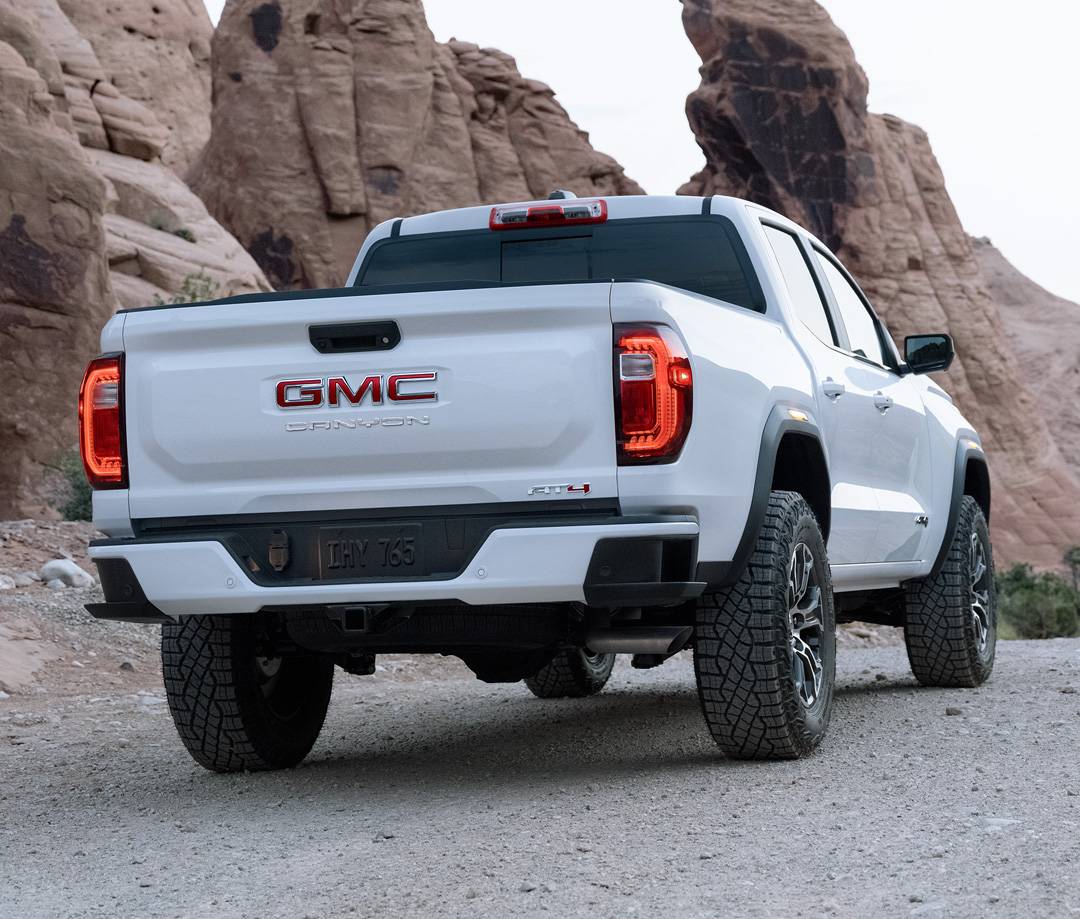
Keeping your 2025 GMC Canyon in top shape means staying on top of routine maintenance—and that includes regular tire rotations. Rotating your tires helps prevent uneven wear, improves traction, and extends the life of your set, ensuring a smoother, safer ride on the roads of Leesburg, Yalaha, Rutland, Haines Creek, and Weirsdale. But how do you do it? Whether you’re a DIY enthusiast or prefer the help of certified technicians, knowing the right tire rotation patterns for your Canyon is key.
In this guide, we’ll break down everything you need to know about rotating the tires on your 2025 GMC Canyon, from the right timing to step-by-step instructions. And if you’d rather leave it to the experts, Phillips Buick GMC is here to help with fast, professional service. Visit or contact us today to keep your Canyon running at its best!
Understanding Tire Rotation for Your 2025 GMC Canyon
Your tires do more than just keep your Canyon moving—they help with traction, handling, and fuel efficiency. Over time, they wear down unevenly, which can cause problems if left unchecked. That’s where tire rotation comes in.
Rotating your tires means moving them to different positions on your truck. This helps them wear evenly, keeping your Canyon safe and smooth on the road. Regular Canyon tire maintenance can also save you money by making your tires last longer.
Why Tire Rotation Matters
Tires don’t wear at the same rate. The front ones usually wear faster because they handle more braking and steering. Rotating them balances out this wear, leading to:
- Even Tread Wear – Helps tires last longer and perform better.
- Better Traction – Keeps grip strong in rain, dirt, and turns.
- A Smoother Ride – Reduces shaking, pulling, or road noise.
- Improved Fuel Efficiency – Even tires roll better, using less gas.
How Often Should You Rotate Tires?
The right schedule depends on how you drive. For most 2025 GMC Canyon trucks, follow these general guidelines:
- Every 5,000 – 7,500 miles for normal driving.
- Every 3,000 – 5,000 miles if you drive on rough roads or tow often.
- Check your owner’s manual for exact details.
Do You Need a Tire Rotation?
Not sure if it’s time? Look for these signs:
- Uneven tread wear – One side looks more worn than the other.
- Vibration in the steering wheel – Feels rougher at higher speeds.
- Poor handling – Turns feel loose or traction seems weaker.
- Lower fuel efficiency – You notice you’re filling up more often.
Regular tire rotation for your Canyon can prevent these issues before they start. In the next section, we’ll cover the right rotation patterns based on your truck’s drivetrain.
Why Rotating the Tires on Your GMC Canyon Matters
Tires wear down with each mile you drive. But they don’t wear at the same rate. The front tires handle more braking and turning, while the rear ones wear more evenly. This uneven wear can cause problems if you don’t rotate your tires on time.
Regular tire rotation keeps your truck driving safely and smoothly. It helps prevent early tire wear and can even improve fuel use. If you skip this step, you may face bigger issues down the road.
The Benefits of Regular Tire Rotation
Rotating your tires does more than just help them last longer. It also improves how your truck handles and keeps you safer.
- Better Traction – Tires with even tread grip the road better in rain, dirt, or sharp turns.
- Smoother Ride – Worn tires can cause shaking or pulling to one side. Even wear prevents this.
- Longer Tire Life – Spreading out the wear helps you get the most miles out of each set.
- Improved Fuel Efficiency – Tires with even tread roll better, making your truck more fuel-efficient.
What Happens If You Don’t Rotate Your Tires?
If you don’t rotate the tires on your Canyon, you may notice some warning signs:
- Uneven tread wear – Some tires will wear faster than others, making them unsafe.
- Steering issues – Your truck may pull to one side or feel harder to control.
- Lower gas mileage – The engine has to work harder when tires don’t roll smoothly.
- Risk of a blowout – Worn tires are more likely to fail, especially in hot weather or on rough roads.
Routine Canyon tire maintenance helps avoid these issues. The right tire rotation schedule keeps your truck running at its best. In the next section, we’ll cover how often you should rotate your tires to get the most out of them.
How Often Should You Rotate the Tires on a 2025 GMC Canyon?
Tires wear down at different rates depending on how and where you drive. Regular tire rotation helps them last longer and keeps your truck safe. If you wait too long, you may notice uneven wear, poor handling, or even a drop in fuel efficiency.
General Tire Rotation Guidelines
For most drivers, the best time to rotate tires is based on mileage. Follow these general rules to keep your tires in top shape:
- Every 5,000 – 7,500 miles for normal driving.
- Every 3,000 – 5,000 miles if you drive on rough roads, tow heavy loads, or off-road often.
- Check your owner’s manual for exact recommendations.
Signs You Need a Tire Rotation Sooner
Sometimes, tires need to be rotated before the usual schedule. Look for these warning signs:
- Uneven tread wear – One tire looks more worn than the others.
- Steering vibration – A shaky steering wheel, especially at higher speeds.
- Reduced traction – Less grip in wet or slippery conditions.
- Pulling to one side – Your truck doesn’t stay straight without extra effort.
Skipping Canyon tire maintenance can lead to faster tire wear and costly replacements. By following the right schedule, you’ll extend the life of your tires and keep your truck running smoothly. In the next section, we’ll go over the best rotation patterns based on your drivetrain.
Tire Rotation Patterns for the 2025 GMC Canyon
Rotating your tires is not as simple as moving them around. The correct pattern depends on your truck’s drivetrain and tire type. Using the wrong pattern can lead to uneven wear and poor handling.
Choosing the Right Tire Rotation Pattern
The best rotation pattern for your truck depends on whether it has front-wheel drive (FWD), rear-wheel drive (RWD), or all-wheel drive (AWD). Each setup wears tires differently.
- Front-Wheel Drive (FWD)
- Move the front tires straight to the back.
- Cross the rear tires when moving them to the front.
- Rear-Wheel Drive (RWD)
- Move the rear tires straight to the front.
- Cross the front tires when moving them to the back.
- All-Wheel Drive (AWD)
- Use a crisscross pattern. Move each tire diagonally.
Directional vs. Non-Directional Tires
Your tires also impact how they should be rotated.
- Directional tires have a tread pattern designed to roll in one direction. Move them front to back on the same side.
- Non-directional tires can be rotated using standard crisscross patterns.
Following the right tire rotation method helps your Canyon drive smoothly and safely. In the next section, we’ll walk through the steps to rotate your tires at home.
Step-by-Step Guide: How to Rotate Your GMC Canyon’s Tires at Home
Rotating your tires at home can save time and money. With the right tools and steps, you can do it safely and correctly. Proper Canyon tire maintenance helps keep your truck running smoothly while preventing early tire wear.
What You’ll Need
Before starting, gather the necessary tools:
- Car jack
- Jack stands
- Lug nut wrench
- Tire pressure gauge
- Torque wrench
Step-by-Step Tire Rotation
- Prepare Your Truck – Park on a flat surface and engage the parking brake. Loosen the lug nuts on each wheel, but don’t remove them yet.
- Lift and Secure the Vehicle – Use the jack to lift one side of the truck. Place jack stands under the frame for support. Repeat for the other side until all four wheels are off the ground.
- Rotate the Tires Using the Correct Pattern – Follow the correct tire rotation pattern based on your truck’s drivetrain:
- Rear-wheel drive (RWD) – Move the rear tires straight to the front. Cross the front tires when moving them to the back.
- All-wheel drive (AWD) – Use a crisscross pattern where each tire moves diagonally.
- Reinstall the Tires – Place each tire in its new position and tighten the lug nuts by hand. Lower the truck back to the ground using the jack.
- Secure the Lug Nuts and Check Pressure – Use a torque wrench to tighten each lug nut in a star pattern. This keeps the wheels secure. Check the air pressure in all four tires and adjust if needed.
Regular tire rotation helps your Canyon stay safe and efficient. In the next section, we’ll go over signs that your tires need rotation sooner than expected.
Frequently Asked Questions
Where are the jacking points on the 2025 GMC Canyon for a safe rotation?
The 2025 GMC Canyon has jacking points located behind the front wheels and in front of the rear wheels along the frame rails. Always use these points to prevent damage to the undercarriage.
Do I need to align the tires after rotating on a Canyon?
No, an alignment is not always necessary after a tire rotation. However, if you notice uneven wear, pulling to one side, or steering issues, an alignment check may be needed.
What tire pressure adjustments should I make before and after rotation?
Check the recommended tire pressure in the owner’s manual or on the driver’s side door sticker. Before rotation, ensure all tires are inflated to the correct PSI. After rotation, recheck and adjust the pressure as needed, since front and rear tires may have different recommended pressures.
Keep Your 2025 GMC Canyon Running Smooth with Tire Care
Regular tire maintenance is key to keeping your 2025 GMC Canyon safe and efficient. Rotating your tires on time helps prevent uneven wear, improves handling, and extends their lifespan. If you’d rather leave the job to the experts, Phillips Buick GMC is here to help. Our skilled technicians provide fast and reliable tire services to keep your truck running at its best.
If you’re in Leesburg, Yalaha, Rutland, Haines Creek, or Weirsdale, visit us today. We offer a wide selection of vehicles, including the GMC Canyon, along with expert service to keep your truck in top shape. Whether you’re looking for a new ride or need professional tire maintenance, our team is ready to assist you.
Keeping up with routine vehicle care goes beyond tire rotations. If your odometer just passed 100K miles, knowing what comes next is essential. If it’s time for a spark plug replacement, following the right steps can keep your engine running smoothly. And if you’re in the market for a new vehicle, make sure you know what to bring on a test drive to get the best experience.
For more information about tire rotation and maintenance, visit our tire service page. Let Phillips Buick GMC help you stay safe on the road!
Get Directions to Phillips Buick GMC
Disclaimer: All information is provided for general informational and entertainment purposes only. While we strive for accuracy, we cannot guarantee that all content is complete, current, or error-free. Any reliance you place on such information is strictly at your own risk. This article may include opinions and is not endorsed by, or officially affiliated with, any vehicle manufacturer or brand. Always consult official sources – such as the vehicle’s owner’s manual, authorized dealerships, or certified professionals – for the most up-to-date and personalized information.
Connect with us


Recent Blog Entries
- 2026 GMC SUV Lineup: Which GMC SUV Is Right for You? Terrain vs. Acadia vs. Yukon
- 2026 Buick Enclave Review — Your Perfect Companion for Life in The Villages, FL
- GMC AT4 vs. Elevation: Which GMC Truck Trim Is Right for You?
- Phillips Transparency Pricing – No Hidden Fees | Price Match Guarantee
- 2026 Buick Enclave Review — 7 Powerful Reasons It’s the Best SUV for The Villages, FL
