



Top Tips for Leasing a Buick or GMC in Fruitland Park
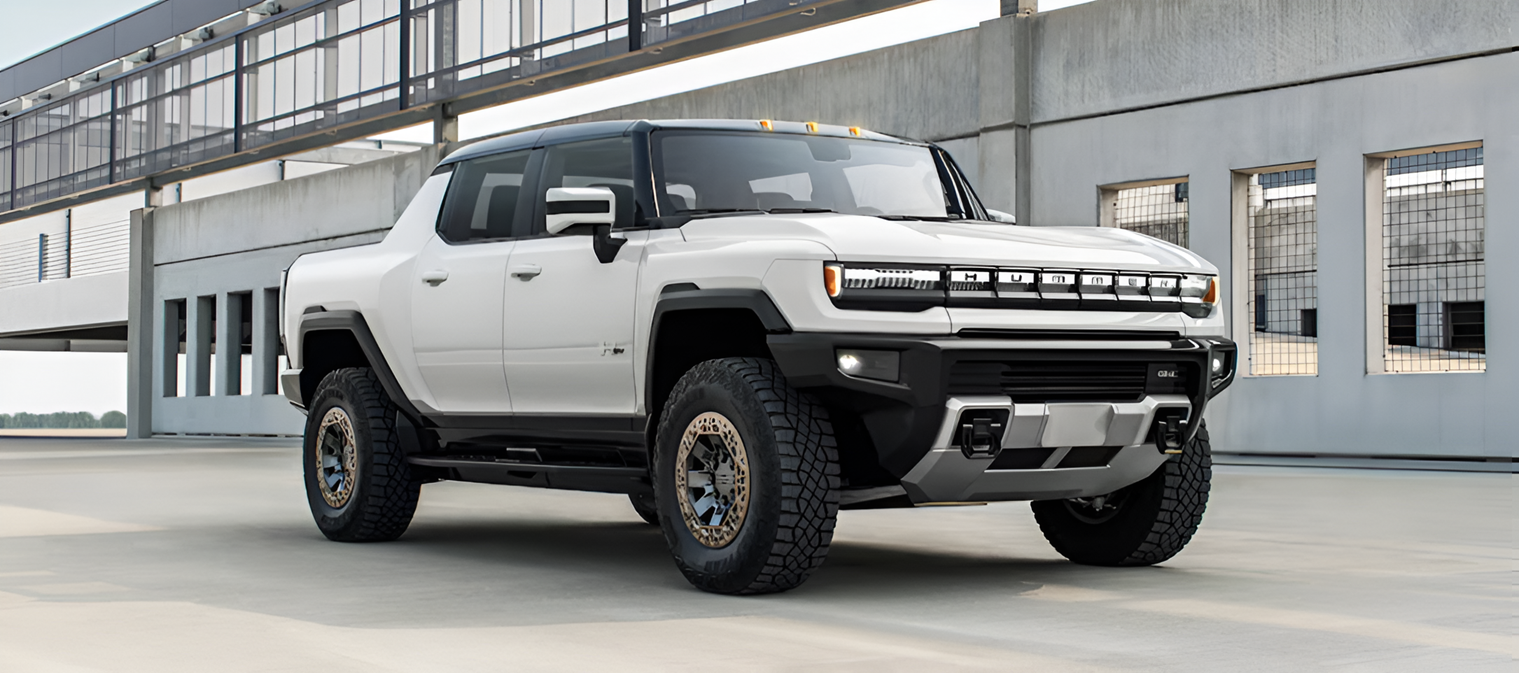
Leasing a vehicle is an attractive option for many Fruitland Park residents who enjoy driving the latest models without the long-term commitment of ownership. Whether you’re considering a sleek Buick or a rugged GMC, understanding the leasing process can help you make the most informed decision. From selecting the right model to understanding lease terms, these tips will guide you through the process, ensuring you get the best deal while enjoying all the benefits that come with leasing.
Leasing Made Easy: Top Tips for Leasing a Buick or GMC in Fruitland Park
Leasing a vehicle, especially for the first time, can be an exciting yet daunting experience. If you’re considering leasing a Buick or GMC in Fruitland Park, this guide is designed to help you navigate the process with ease and confidence. From understanding the leasing terms to knowing what to do (and what to avoid), we’ll walk you through everything you need to know to make an informed decision that suits your needs and lifestyle.
Understanding the Leasing Process
Leasing a vehicle is different from buying one. Instead of paying for the car's full value, you’re essentially paying for the depreciation that occurs during the lease term. This usually results in lower monthly payments compared to financing a vehicle purchase. However, leasing does come with specific terms and conditions that you should understand before signing on the dotted line.
The Initial Steps, Mileage and Wear Considerations
The leasing process begins with selecting the vehicle you wish to lease. At Phillips Buick GMC, we offer a wide range of Buick and GMC models that cater to various tastes and needs. Once you’ve chosen your vehicle, the next step is to discuss the lease terms with your dealer. These terms include the length of the lease, the annual mileage allowance, and the monthly payment amount.
A typical lease term ranges from 24 to 36 months. Shorter lease terms often come with higher monthly payments but allow you to upgrade to a newer model sooner. Longer lease terms, on the other hand, offer lower payments but keep you in the same vehicle for an extended period. It’s essential to consider how long you want to drive the leased vehicle before deciding on the lease term.
When leasing a vehicle, one crucial aspect to understand is the mileage allowance. Most leases come with a specific annual mileage limit, often around 10,000 to 15,000 miles per year. Exceeding this limit can result in additional charges at the end of the lease. Therefore, it’s essential to consider your driving habits and estimate your annual mileage accurately. If you know you’ll be driving more than the average, you may want to negotiate a higher mileage limit upfront, which might increase your monthly payment slightly but save you from significant overage fees later.
Another important factor is the wear and tear policy. Leased vehicles must be returned in good condition, barring normal wear and tear. However, excessive wear, such as deep scratches, dents, or interior damage, could result in additional charges. Maintaining your leased vehicle’s condition is key to avoiding these extra costs. Regular maintenance, prompt repairs of minor damages, and keeping the vehicle clean are good practices.
Exploring Lease Types
Leasing isn’t a one-size-fits-all solution. There are various lease types and terms to consider, depending on your needs and preferences. Here’s a closer look at some common lease structures and what they entail.
Closed-End Lease
The most common type of lease is the closed-end lease. This arrangement allows you to return the vehicle at the end of the lease term without any further financial obligation, provided the vehicle meets the agreed-upon conditions. You can then choose to lease another vehicle, purchase the leased vehicle, or walk away. Closed-end leases are ideal for those who want a predictable and straightforward leasing experience without the worry of residual value fluctuations.
Open-End Lease
An open-end lease, on the other hand, is less common and typically used for commercial vehicles or those who plan to drive significantly more miles than a typical lease allows. With an open-end lease, you may be responsible for the difference between the vehicle’s residual value (estimated value at the end of the lease) and its actual market value. This type of lease carries more financial risk but offers flexibility in mileage and usage.
Single-Pay Lease
For those looking to minimize monthly payments, a single-pay lease might be an attractive option. This type of lease requires you to pay the entire lease amount upfront, often resulting in a lower overall cost. However, it requires a significant initial outlay of cash, which may not be suitable for everyone. If you have the means, a single-pay lease can offer peace of mind by eliminating monthly payments and potentially securing a better deal.
Understanding Leasing Terminology
A key component of leasing is the vehicle’s residual value—the estimated worth of the car at the end of the lease term. The higher the residual value, the lower your monthly payments, as you’re paying for less depreciation. Different makes and models have varying residual values, which is why certain vehicles, like Buicks and GMCs, are often more favorable to lease due to their strong resale values.
When leasing, you’re essentially covering the depreciation plus interest and fees. Understanding how depreciation affects your lease can help you make a smarter choice. Vehicles that depreciate slowly retain more of their value, making them ideal candidates for leasing. Always ask about the residual value when discussing lease terms, as it will significantly impact your payments.
| Term | Explanation |
|---|---|
| Capitalized Cost | The negotiated price of the vehicle plus any additional fees or costs, such as taxes, registration, and warranties. This is the amount that determines your lease payment. |
| Residual Value | The estimated worth of the vehicle at the end of the lease term. A higher residual value generally results in lower monthly payments. |
| Money Factor | Represents the financing cost of leasing a vehicle. A lower money factor means you'll pay less in interest. |
| Lease Term | The length of time you agree to lease the vehicle, typically ranging from 24 to 48 months. |
| Mileage Allowance | The maximum number of miles you can drive per year without incurring additional charges. |
| Disposition Fee | A fee charged by the leasing company when you return the vehicle at the end of the lease. |
The Do’s and Don’ts of Leasing
To make the most of your leasing experience, it’s important to follow some basic do’s and don’ts. These tips will help you avoid common pitfalls and ensure that your lease is both cost-effective and hassle-free.
Do: Consider Gap Insurance
Gap insurance is often a smart investment for leased vehicles. It covers the difference between what you owe on the lease and the vehicle’s actual value if it’s totaled in an accident or stolen. Without gap insurance, you could be responsible for paying off the lease balance even though you no longer have the vehicle. Many leases include gap insurance, but if it’s not part of your contract, it’s worth considering as an additional safeguard.
Don’t: Ignore Lease-End Costs
At the end of your lease, there may be additional costs to consider, such as disposition fees, charges for excessive wear and tear, and fees for exceeding the mileage limit. It’s crucial to read your lease agreement carefully and budget for these potential expenses. Being prepared for lease-end costs will prevent any unwelcome surprises and allow for a smooth transition, whether you’re leasing a new vehicle or choosing another option.
Do: Negotiate the Purchase Price
Many people mistakenly believe that the purchase price of a leased vehicle is non-negotiable. However, you can often negotiate the price, just as you would when buying a car outright. The purchase price affects the monthly payment, so getting the best deal upfront can save you money over the life of the lease. At Phillips Buick GMC, our finance team is dedicated to helping you get the best possible terms, whether you’re leasing or buying.
Don’t: Overlook the Lease Mileage Limit
As mentioned earlier, exceeding your mileage limit can be costly. If you know you’ll drive more than the average mileage, negotiate a higher mileage limit upfront. Alternatively, consider purchasing additional miles at the start of your lease, which is usually cheaper than paying overage fees at the end. Understanding your driving habits and accurately estimating your mileage will help you avoid extra costs.
Leasing a Buick or GMC at Phillips Buick GMC in Fruitland Park offers many advantages, especially for those who enjoy driving the latest models and prefer lower monthly payments. By understanding the leasing process, exploring your options, and following these do’s and don’ts, you can ensure a positive leasing experience that fits your needs and budget. Whether you’re a first-time lessee or a seasoned veteran, our team at Phillips Buick GMC is here to guide you through every step, helping you make an informed decision and drive away in a vehicle you love.
Leasing vs. Financing: A Comprehensive Comparison
| Factor | Leasing | Financing |
|---|---|---|
| Monthly Payments | Typically lower than financing, as you're only paying for the vehicle's depreciation during the lease term. | Generally higher than leasing, as you're paying for the entire cost of the vehicle plus interest. |
| Ownership | No ownership; you're essentially renting the vehicle for a set period. | You own the vehicle outright once the loan is paid off. |
| Equity | No equity buildup in the vehicle. | You build equity as you make payments, which can be used for a future trade-in or sale. |
| Mileage Restrictions | Typically has annual mileage limits; exceeding them can result in additional fees at the end of the lease. | No mileage restrictions; you can drive as much as you want. |
| Wear and Tear | Must adhere to wear-and-tear guidelines; excessive damage may result in fees at the end of the lease. | Normal wear and tear is expected; no penalties unless you plan to trade in or sell the vehicle later. |
| Customization | Limited to factory-installed options; modifications may not be allowed or could result in fees. | You can customize or modify the vehicle as you wish. |
| End-of-Term Options | Return the vehicle, purchase it at the residual value, or extend the lease. | Keep the vehicle, trade it in, or sell it. |
| Down Payment | Typically lower or even no down payment required. | A down payment is often required, but it can vary depending on creditworthiness and loan terms. |
| Insurance | May require higher insurance coverage levels than financing. | Insurance requirements may be less stringent than leasing. |
| Tax Benefits (Business Use) | May be able to deduct a portion of lease payments as a business expense. | May be able to deduct depreciation and interest payments as business expenses. |
| Best Suited For | Drivers who want a new car every few years Those who prioritize lower monthly payments Individuals who drive fewer miles annually Those who prefer not to worry about long-term maintenance and repairs |
Drivers who want to own their vehicle outright Those who drive many miles annually Individuals who like to customize their vehicles Those who plan to keep their vehicle for a long time |
Explore Your Leasing Options at Phillips Buick GMC
Choosing to lease a Buick or GMC allows you to experience the latest in automotive technology and design with more flexibility and often lower monthly payments than traditional financing. By following these leasing tips, you can drive away in your dream vehicle while feeling confident that you’ve made a smart financial decision. So, if you’re ready to explore the roads of Fruitland Park in style, visit us at Phillips Buick GMC to find the perfect lease for you. Your next adventure is just a signature away!
When it comes to choosing between financing and leasing, it's essential to understand the benefits of each option, especially if you're a resident of Fruitland Park. At Phillips Buick GMC, we offer a range of flexible leasing options that cater to your lifestyle and budget. Leasing allows you to drive a new model every few years, enjoy lower monthly payments, and avoid the long-term commitment of ownership. Whether you're considering a Buick or a GMC, our team is here to guide you through the leasing process and help you make the best choice for your needs.
For more insights, our guide on Financing vs Leasing: Which is Right for You? offers a detailed comparison. If you're leaning toward financing, check out our page on How to Finance Your Next Vehicle: Phillips Buick GMC. And for those interested in leasing, discover The Benefits of Leasing a Vehicle: Phillips Buick GMC to learn more.
