


When you're driving your GMC Sierra 1500, Sierra HD, or Canyon, you might notice a mysterious "L" mode on your gear shift and wonder what it’s all about. In simple terms, "L" stands for low gear, and it’s a powerful tool that can make all the difference in certain driving conditions. Whether you're towing heavy loads, tackling steep hills, or navigating through slippery terrain, this setting provides the torque and control you need to get the job done safely and efficiently. But what exactly does it do, and when should you use it? Let’s break it down. If you're curious about how "L" mode can enhance your driving experience or if you want to explore the perfect GMC for your needs, feel free to visit Phillips Buick GMC today!
How "L" Mode Affects Your GMC’s Performance
When you shift your GMC into "L" mode, you’re engaging the vehicle’s low gear. This setting adjusts your truck’s performance, giving you more control and power when driving in specific situations. Here’s how it affects your truck:
- Increased Torque: When you’re in low gear, the engine delivers more torque. This is perfect when you need extra power, like when towing heavy loads or driving uphill.
- Improved Control on Steep Terrain: Low gear helps you maintain a steady speed when going up or down steep hills. It keeps your engine from overworking and prevents sudden changes in speed.
- Slower Speed for Better Handling: The low gear slows your truck down, allowing for better handling, especially when navigating tough or slippery roads. This gives you more control, reducing the risk of skidding or losing traction.
- Efficient Engine Braking: When you’re coming down a steep incline, "L" mode helps by using engine braking. This keeps your brakes from overheating and reduces the need to rely solely on them.
GMC Transmission Modes and Their Purpose
In addition to "L" mode, your GMC’s transmission has other settings that impact performance. These modes allow you to adapt to different driving conditions:
- Normal Mode: The default setting for everyday driving. The vehicle shifts gears automatically, offering a balance of performance and fuel efficiency.
- Tow/Haul Mode: A setting designed to optimize power for towing heavy loads. It helps with engine braking and reduces gear shifting for a smoother ride when hauling.
- Off-Road Mode: A setting found in certain GMC models like the Sierra 1500 or Canyon. It adjusts the suspension and drivetrain to provide better traction on rough terrain.
By understanding how these transmission modes work together, you can better control your driving experience, whether you're cruising down the highway or navigating rough paths.
When Should You Engage "L" Mode on Your GMC?
Engaging "L" mode on your GMC is helpful in specific driving situations. Using it at the right time can improve your truck’s performance and safety. Here are the key times when you should switch to "L" mode:
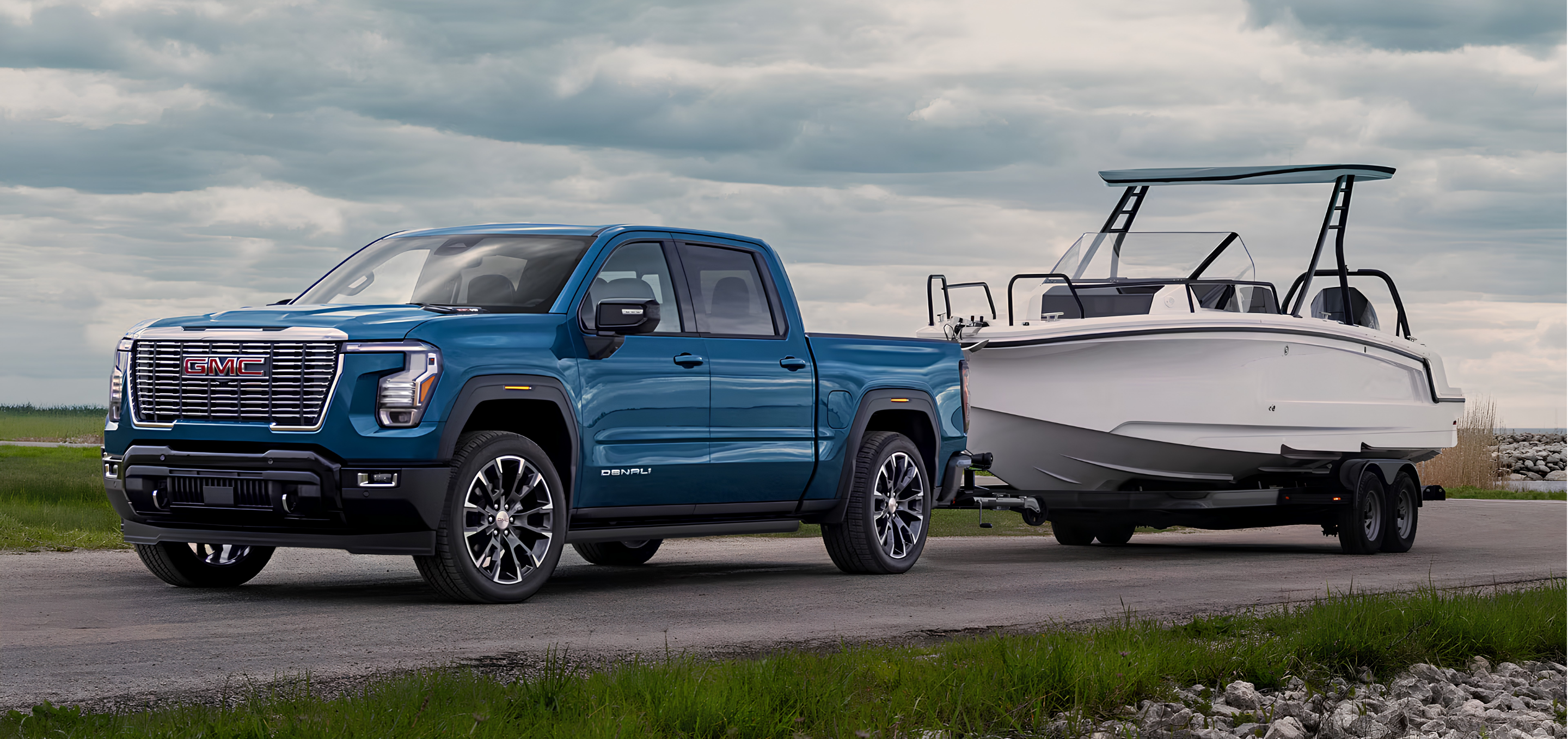
- Towing Heavy Loads: If you're towing something heavy, "L" mode can give your engine the extra power it needs. The low gear helps you maintain control while towing, making it safer and easier to drive.
- Driving Uphill: When driving up steep hills, engaging "L" mode provides more torque. This helps you maintain a steady pace without overloading your engine.
- Descending Steep Grades: "L" mode helps with engine braking when going downhill. It reduces your reliance on the brakes, helping prevent them from overheating.
- Off-Road Conditions: If you're driving on rough or slippery terrain, "L" mode can help with traction and control. It allows your truck to better handle uneven surfaces.
- Heavy Loads in the Bed or on the Truck: When carrying heavy items in the bed or truck, "L" mode helps keep your truck steady. It ensures that the added weight doesn’t affect your control or speed.
By using "L" mode in these situations, you can get the most out of your GMC’s performance. Whether you're driving a Sierra HD or Canyon, understanding when to engage low gear can make a big difference in your driving experience.
The Benefits of "L" Gear in Special Driving Conditions
Engaging "L" gear, or low gear, can significantly improve your driving experience in tough conditions. Whether you're in a Sierra 1500, Sierra HD, or Canyon, using low gear offers several benefits.
1. Better Control on Steep Hills
- Low gear helps maintain control when driving up or down steep inclines.
- It prevents the engine from overworking, allowing you to focus on steering.
2. Improved Traction in Off-Road Conditions
- When driving on dirt roads, mud, or snow, low gear helps your truck maintain traction.
- It makes it easier to navigate slippery or uneven terrain without losing control.
3. Reduced Braking Needs When Descending
- Low gear helps with engine braking when going downhill.
- It reduces the strain on your brake pads, keeping them from overheating on long descents.
4. More Power for Towing Heavy Loads
- Engaging low gear provides extra torque when towing.
- This ensures that your truck can handle heavy loads without straining the engine or transmission.
By engaging low gear in these special conditions, you make sure your GMC operates at its best. Whether you're climbing hills, towing, or navigating tricky terrains, "L" mode ensures your vehicle performs efficiently and safely.
Tips for Maximizing the Use of "L" Mode in Your GMC
When driving in special conditions, knowing how to use "L" mode effectively can make a big difference. Here are some helpful tips to get the most out of low gear in your GMC.
1. Switch to "L" Mode When Climbing Steep Hills
- When going uphill, engage low gear to give your engine extra power.
- This helps prevent your truck from slowing down or stalling.
2. Use "L" Mode for Towing Heavy Loads
- When towing, low gear provides more torque to handle the extra weight.
- This makes it easier to pull trailers or heavy loads without stressing the engine.
3. Engage Low Gear for Off-Road Driving
- On rough terrain, low gear gives you better control and stability.
- It helps prevent wheel spin, especially on slippery or uneven surfaces.
4. Turn on "L" Mode When Going Downhill
- Low gear allows engine braking, reducing the need for excessive braking.
- This helps maintain control on long descents and prevents brake overheating.
5. Don’t Use "L" Mode on Flat Roads
- Using low gear on level ground can reduce fuel efficiency.
- It’s best to switch back to standard transmission modes when driving on flat roads.
By using "L" mode at the right times, you ensure your GMC handles tough situations with ease and keeps performing at its best. Whether you're tackling hills, towing, or navigating off-road paths, low gear can make your drive smoother and safer.
What to Avoid When Using "L" Gear on Your GMC
While "L" mode can be helpful in specific driving conditions, it’s important to avoid using it in certain situations to protect your vehicle. Here’s what to keep in mind:
1. Avoid Using "L" Mode on Highways or Fast Roads
- Low gear is designed for low-speed, high-torque situations.
- Using it on highways can limit your speed and reduce fuel efficiency.
2. Don’t Leave "L" Mode Engaged for Extended Periods
- Driving in low gear for too long can strain the engine.
- It may cause unnecessary wear on the transmission if not used appropriately.
3. Avoid Engaging "L" Mode When Towing Light Loads
- Low gear is most useful for heavy loads or steep terrain.
- Using it for light towing can cause unnecessary fuel consumption and wear.
4. Don’t Use "L" Mode in Dry Conditions on Flat Roads
- It’s best to reserve low gear for challenging terrains or inclines.
- On flat, dry roads, it can lower your vehicle’s performance and fuel economy.
5. Avoid Sudden Speed Changes in Low Gear
- Shifting in and out of low gear too quickly can harm your vehicle.
- Gradually accelerate or decelerate when using "L" mode to avoid unnecessary stress on the transmission.
By understanding when not to use "L" mode, you can avoid damaging your vehicle and ensure it performs at its best for the tasks that matter most. Keep these tips in mind to maintain your GMC’s longevity and efficiency.
Does “L” mode offer any advantages for towing or hauling?
Yes, "L" mode can be beneficial for towing and hauling. It provides more torque and engine braking, which helps you maintain control of your vehicle, especially on steep grades or while carrying heavy loads.
Can I switch to “L” mode while driving at higher speeds?
It’s generally not recommended to switch to "L" mode while driving at higher speeds, as it can cause excessive engine revving and strain on the transmission. It’s best to engage "L" mode at lower speeds, particularly in situations like towing or driving on steep inclines.
How does “L” mode differ from standard Drive modes?
"L" mode, or low gear, is designed for low-speed, high-torque driving situations. It helps with engine braking and provides better control when driving on steep grades or towing heavy loads. In contrast, standard Drive modes are intended for everyday driving and provide a balance of power and fuel efficiency.
Find the Ultimate GMC Vehicle at Phillips Buick GMC
Now that you have a better understanding of how "L" mode works in your GMC, you're likely curious about how it fits into your overall driving experience. Whether you're considering using "L" mode for towing, hauling, or navigating tough terrain, knowing the ins and outs of your vehicle’s transmission can make all the difference.
If you’re from Lady Lake, Whitney, Leesburg, or Lisbon, we invite you to explore our wide selection of GMC vehicles, including the Sierra 1500, Sierra HD, and Canyon. These powerful models are ready to take on any challenge, whether you're towing a heavy load or tackling difficult roads.
Looking for more tips on keeping your GMC in top shape? Check out our guide on replacing spark plugs, or find out what to do when your odometer hits 100K miles. You can also find helpful advice on what to bring when test-driving a car.
Ready to find your next vehicle? Explore our new inventory and see all the options we have available.
Get Directions to Phillips Buick GMC
Disclaimer: All information is provided for general informational and entertainment purposes only. While we strive for accuracy, we cannot guarantee that all content is complete, current, or error-free. Any reliance you place on such information is strictly at your own risk. This article may include opinions and is not endorsed by, or officially affiliated with, any vehicle manufacturer or brand. Always consult official sources – such as the vehicle’s owner’s manual, authorized dealerships, or certified professionals – for the most up-to-date and personalized information.