



When it comes to your GMC, keeping your tires properly inflated isn’t just about comfort—it’s about safety, performance, and long-term savings. Whether you're driving a rugged GMC Sierra 1500, a powerhouse GMC Sierra 2500, or a family-friendly GMC Acadia, maintaining the correct tire pressure is essential. But how do you know what that “correct” pressure is? It's simpler than you think, and getting it right can improve fuel efficiency, extend tire life, and enhance overall handling. Ready to take control of your GMC's tire health? Keep reading to learn exactly what tire pressure you should aim for, and if you ever need assistance, don’t hesitate to reach out to Phillips Buick GMC. We’re here to help you keep your ride in top shape!
What Does "PSI" Mean and Why It Matters
When you hear "PSI," it’s a simple acronym for "pounds per square inch." It refers to the measurement of air pressure inside your tires. Understanding and maintaining the correct tire PSI is crucial for the safety, performance, and longevity of your GMC. Whether you're driving a GMC Sierra 1500, GMC Sierra 2500, GMC Yukon, or GMC Acadia, each vehicle has a specific PSI range that works best for its tires. This number ensures your tires can perform at their best, keeping your vehicle stable, safe, and efficient on the road.
Why does the correct tire pressure matter so much? First, it affects how your tires grip the road. Under-inflated tires can cause sluggish handling, especially in heavy trucks like the GMC Sierra 2500, where extra weight and pressure are already a factor. On the other hand, over-inflated tires can reduce the contact area with the road, making your ride less smooth and compromising your vehicle’s control. If your tire pressure is too high or too low, it could lead to dangerous situations, especially on slippery or rough terrain.
Maintaining the correct tire PSI also helps improve your fuel efficiency. When your tires are inflated properly, your GMC's engine doesn’t have to work as hard, meaning you’ll spend less on gas. For example, the recommended tire pressure for a GMC Sierra 1500 might be around 35 PSI for normal conditions, but it can vary based on the load or driving style. The same goes for the GMC Acadia, where the proper tire pressure ensures better handling and fuel economy. Regularly checking tire pressure, especially before long trips, can save you money and keep your GMC running smoothly. Always use a reliable tire gauge to check tire pressure, or stop by Phillips Buick GMC for a quick tire inspection.
How to Check Your GMC’s Tire Pressure
Checking your GMC's tire pressure is a simple task that can make a big difference in your vehicle's performance. Whether you drive a GMC Sierra 1500, GMC Sierra 2500, GMC Yukon, or GMC Acadia, knowing how to check tire pressure is an essential part of vehicle maintenance. Luckily, it’s easy to do, and you don’t need to be a mechanic to get it right.
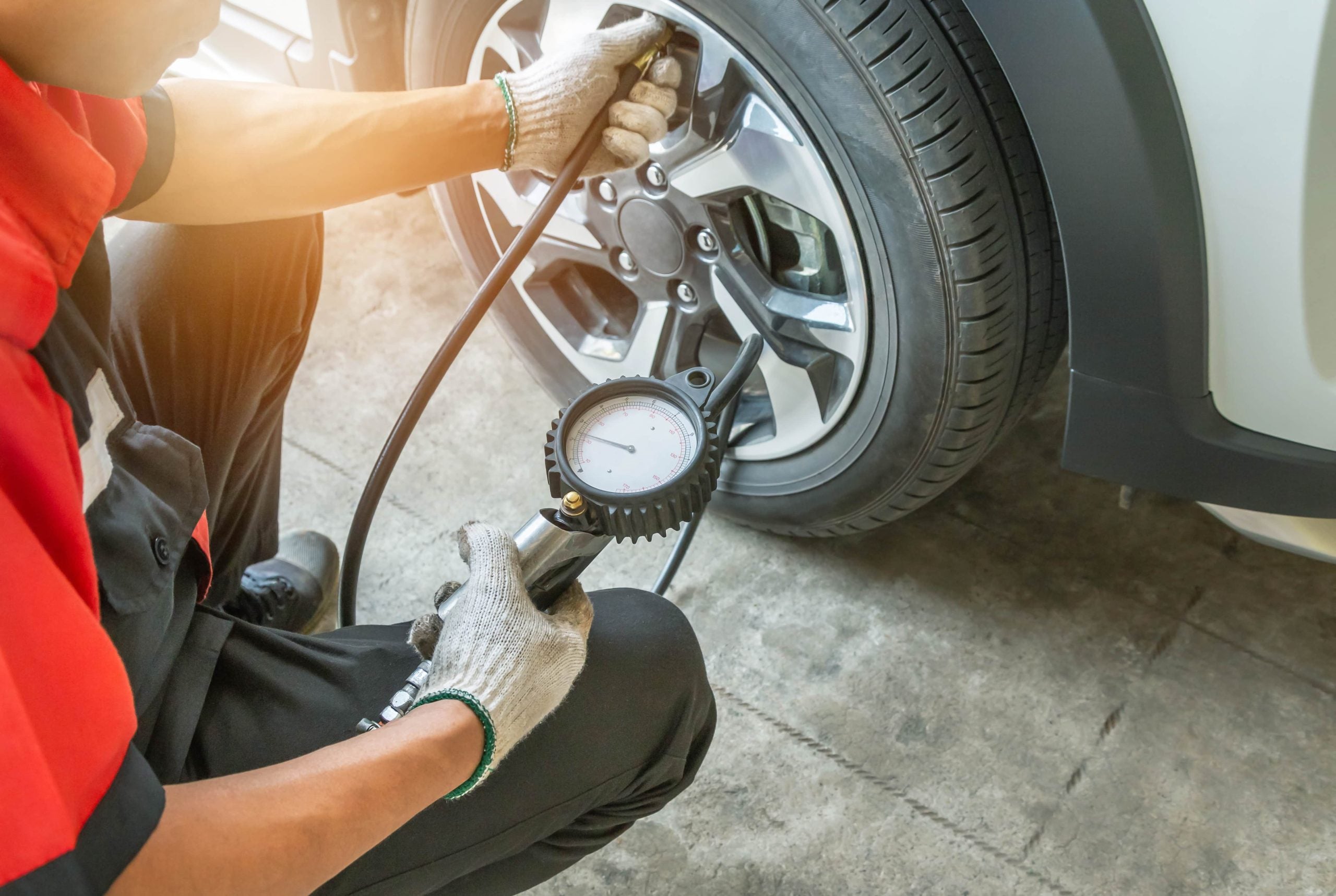
To start, you’ll need a tire pressure gauge. These gauges come in two main types: analog and digital. Both work well, but digital gauges are often easier to read. Begin by removing the valve cap from one of your tires. Place the gauge onto the valve stem and press down firmly. You’ll hear a slight hiss of air, but don’t worry. The gauge will give you a reading of your tire pressure in PSI (pounds per square inch). Compare this number with the recommended tire pressure for your GMC, which you can find in your owner's manual or on the door frame of your vehicle. For example, the correct tire PSI for a GMC Sierra 1500 might be around 35 PSI, while the GMC Sierra 2500 may require slightly higher pressure, depending on the load.
It’s important to check tire pressure when the tires are cold. This means checking them before you’ve driven more than a couple of miles. Driving warms up the tires and can give you a falsely high reading. If the tire pressure is too low, it’s time to add air. You can visit a nearby gas station or tire service center to top off your tires. If the tire pressure is too high, release some air by pressing down on the valve stem. Always make sure you’re following the correct tire PSI for your specific vehicle, as outlined in the GMC PSI guide. Checking tire pressure regularly will not only improve safety but also enhance fuel efficiency and extend the life of your tires.
What is the Correct Tire Pressure for Your GMC?
The correct tire pressure for your GMC depends on the model and its specific needs. Whether you drive a GMC Sierra 1500, GMC Sierra 2500, GMC Yukon, or GMC Acadia, each vehicle has a recommended PSI (pounds per square inch) to ensure safe and efficient driving. Tire pressure affects handling, fuel economy, and overall safety, so it’s important to follow the correct tire PSI guidelines for your vehicle.
For most GMC trucks like the Sierra 1500, the ideal tire pressure is typically around 35 PSI. However, this number can vary based on factors such as load and driving conditions. The GMC Sierra 2500, which is built for heavier hauling, often requires higher PSI, ranging from 50 to 75, depending on the weight it carries. Similarly, larger SUVs like the GMC Yukon may need a slightly higher PSI for better performance, while the GMC Acadia, a more compact SUV, might require around 32 to 35 PSI. Always check your vehicle’s GMC PSI guide for the most accurate and up-to-date information.
You can easily find the recommended tire pressure for your GMC by checking the door frame on the driver's side. There, you’ll find a sticker with the correct tire pressure for your specific model. This number should be your reference point when checking tire pressure. If you’re unsure, your owner's manual is another great resource for the correct tire PSI. Always use a reliable gauge to check tire pressure and make sure you are within the recommended range. Keeping your tires at the correct pressure not only ensures better driving performance but also saves you money on fuel and extends the life of your tires.
Factors That Can Affect Your GMC's Tire Pressure
Several factors can influence your GMC's tire pressure, and understanding them will help you maintain the correct PSI for your vehicle. One of the most common factors is temperature. As the weather changes, so does the air in your tires. On colder days, the air in your tires contracts, causing a drop in tire pressure. Conversely, on hot days, the air expands, increasing the PSI. For example, if you’re driving a GMC Sierra 1500, the cold winter months can reduce tire pressure by about 1-2 PSI for every 10°F drop in temperature. This is why it’s especially important to check tire pressure regularly in extreme weather conditions.
Another factor that can affect your GMC's tire pressure is the weight of the load you’re carrying. If you’re hauling a heavy load in your GMC Sierra 2500, for instance, your tires will need more pressure to support the additional weight. The correct tire PSI is crucial for keeping the tires properly inflated when you’re transporting heavy items. Too much weight with too little tire pressure can lead to tire wear and poor handling. Make sure to consult your GMC PSI guide for the recommended tire pressure when carrying heavy loads.
Driving habits can also impact your tire pressure. Frequent high-speed driving or aggressive braking can cause the tires to heat up, affecting the pressure. For vehicles like the GMC Yukon or GMC Acadia, which are often used for long trips or daily commutes, keeping an eye on tire pressure after long drives is important. To maintain proper tire pressure, always check your tires when they’re cold, and never rely on the readings after driving long distances. Proper tire pressure ensures your vehicle’s performance, improves fuel efficiency, and keeps you safe on the road.
What Happens If Your GMC Tire Pressure Is Too Low or Too High?
Maintaining the correct GMC tire pressure is crucial for the safety and performance of your vehicle. If your tire pressure is too low, your tires will not perform at their best. For example, if you drive a GMC Sierra 1500 and your tire pressure is lower than the recommended PSI, your tires will have more contact with the road. This increases friction, causing your tires to wear out faster. Underinflated tires also reduce fuel efficiency, meaning you’ll spend more on gas. Plus, low tire pressure can cause your GMC to handle poorly, making it harder to steer, especially in emergencies.
On the other hand, if the tire pressure is too high, the situation is just as problematic. Overinflated tires, especially on vehicles like the GMC Sierra 2500 or GMC Yukon, can lead to a rougher ride. They may also become more prone to damage, as the extra pressure makes the tire less flexible. This could increase the risk of a blowout, particularly if you’re driving at high speeds or on rough terrain. Too much pressure also reduces the tire’s grip on the road, making it harder to control your vehicle in wet or icy conditions.
It’s vital to follow the GMC PSI guide for your specific model, whether you drive a GMC Acadia or another vehicle, to keep the tire pressure within the recommended range. Regularly checking your tire pressure ensures that your GMC is performing at its best. Use a tire pressure gauge to check tire pressure when the tires are cold for the most accurate reading. If you find that your tire pressure is off, either too low or too high, adjust it according to the manufacturer’s guidelines. Keeping the correct tire PSI improves safety, enhances performance, and extends the life of your tires.
Tips for Maintaining Proper Tire Pressure in Your GMC
Maintaining proper tire pressure in your GMC is essential for both safety and performance. The correct tire PSI ensures that your tires wear evenly, improving their lifespan and saving you money in the long run. To keep your GMC running smoothly, start by checking your tire pressure regularly. Ideally, you should check tire pressure at least once a month and before long trips. Make sure to do this when the tires are cold, as heat can cause the air pressure to rise, giving you an inaccurate reading.
For models like the GMC Sierra 1500 or GMC Yukon, it’s crucial to follow the GMC PSI guide closely. These models often require different PSI levels than smaller vehicles, especially if you're hauling heavy loads. If your GMC is equipped with a Tire Pressure Monitoring System (TPMS), it will alert you when a tire is underinflated. However, don’t rely solely on the TPMS. It’s still a good idea to manually check tire pressure with a gauge to ensure the reading is accurate.
Another tip is to inspect your tires for damage. Even if the pressure is correct, a nail or puncture can cause slow leaks, leading to underinflation. If you notice your tire pressure consistently dropping, it may be time to check for leaks or even visit your local service center. Models like the GMC Sierra 2500 and GMC Acadia, which are built for tougher conditions, may experience more wear on tires, so be proactive in checking for damage. Proper maintenance of tire pressure helps improve fuel efficiency, ride quality, and safety. Taking a few minutes each month to check your tire pressure can make a big difference!
What is the correct tire pressure for GMC vehicles?
The correct tire pressure for GMC vehicles typically ranges between 30 and 35 PSI, depending on the model and load. For heavy-duty trucks like the GMC Sierra 2500, the pressure may be higher. Always refer to the GMC PSI guide for your specific vehicle.
How often should I check my tire pressure?
You should check your tire pressure at least once a month and before any long trips. It's also a good idea to check it when the tires are cold to ensure an accurate reading.
What happens if my tire pressure is too low or too high?
If your tire pressure is too low, it can cause poor fuel efficiency, uneven tire wear, and handling issues. On the other hand, if your tire pressure is too high, it can lead to a rough ride, reduced traction, and premature tire damage.
Can I adjust GMC tire pressure myself?
Yes, you can adjust your GMC tire pressure yourself using a tire pressure gauge and an air pump. However, if you're unsure about the correct pressure or notice consistent issues, it's a good idea to consult a professional.
Where can I find the recommended PSI for my GMC?
The recommended PSI for your GMC is listed in the owner's manual and on a sticker located on the driver’s side door jamb. The sticker will also specify the correct tire pressure for both front and rear tires.
Get Your GMC's Tires Checked at Phillips Buick GMC
At Phillips Buick GMC, we understand that maintaining the right tire pressure is crucial for your vehicle’s performance, safety, and fuel efficiency. If you need more information on keeping your GMC in top shape, feel free to reach out to us. Our team is here to assist with all your vehicle maintenance questions.
We also invite customers from Lady Lake, Whitney, Leesburg, and Lisbon to explore our wide selection of new and pre-owned vehicles. Whether you're interested in a powerful GMC Sierra 1500, a heavy-duty GMC Sierra 2500, or a family-friendly GMC Yukon or GMC Acadia, we have something for everyone. Visit us today to test drive these models and more.
While you're here, check out some of our other helpful content, such as how Phillips Buick GMC sponsors the VetSports Golf Tournament with the Buick Envista as a Hole-in-One prize. Also, don’t miss our guide on 7 Reasons to Trade In Your Used Car in Fruitland Park, Florida, or find out What You Should Look for in a Used Car.
For more detailed information on tire care and maintenance, visit our page about tire services here. Our team is always ready to help keep your vehicle running smoothly.
Get Directions to Phillips Buick GMC
Disclaimer: All information is provided for general informational and entertainment purposes only. While we strive for accuracy, we cannot guarantee that all content is complete, current, or error-free. Any reliance you place on such information is strictly at your own risk. This article may include opinions and is not endorsed by, or officially affiliated with, any vehicle manufacturer or brand. Always consult official sources – such as the vehicle’s owner’s manual, authorized dealerships, or certified professionals – for the most up-to-date and personalized information.