



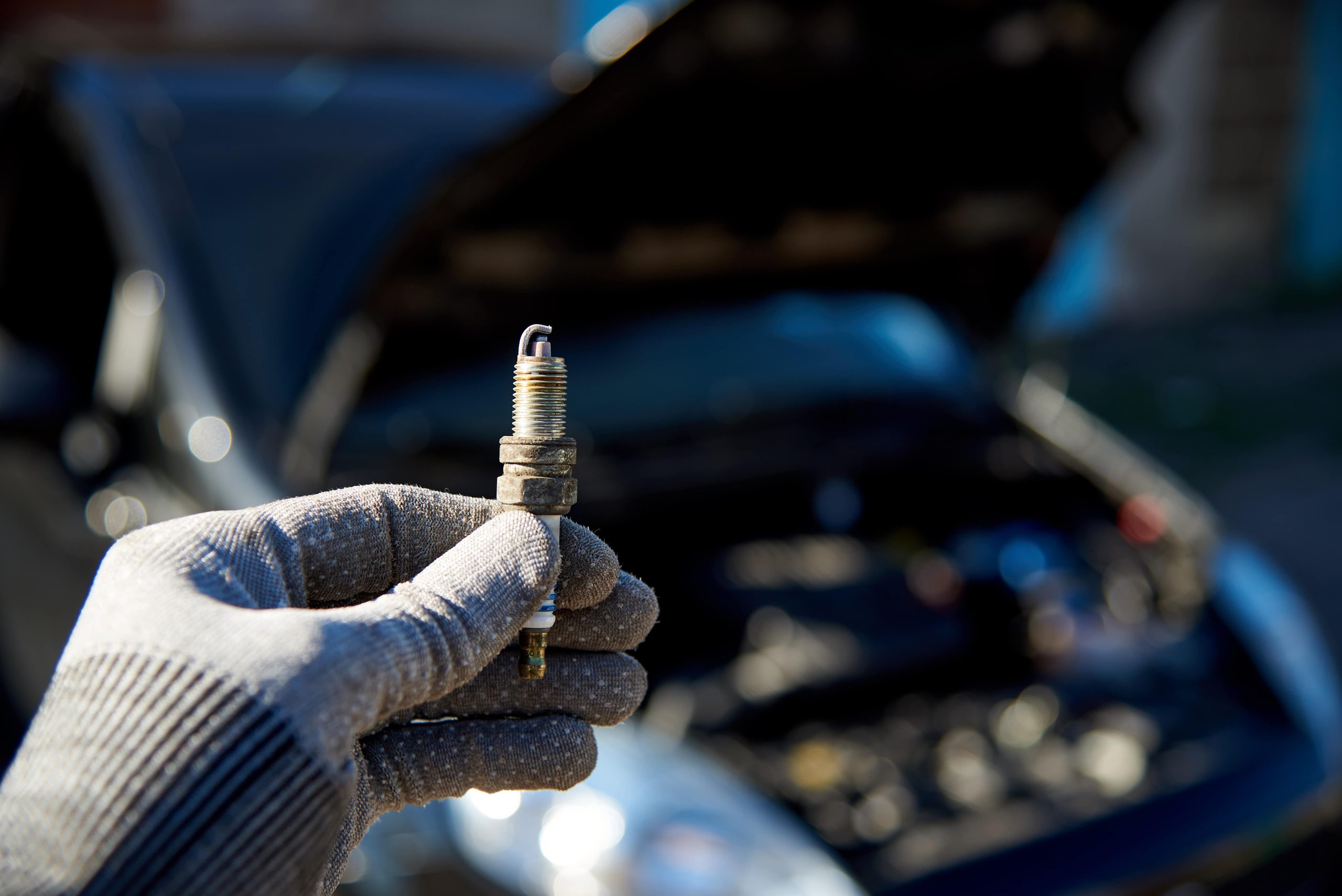
Your GMC is built for power, performance, and reliability—but even the toughest engines need a little TLC. Replacing spark plugs is a simple maintenance task that can have a huge impact on your vehicle’s efficiency and longevity. Whether you’re cruising around Lady Lake in a GMC Acadia, tackling tough terrain in a GMC Sierra 2500, or enjoying a smooth ride in a Buick Envista, fresh spark plugs are the secret to keeping your engine running like new. In this step-by-step guide, we’ll walk you through the process of replacing spark plugs in your GMC. Ready to boost your vehicle’s performance? Let’s dive in! And if you’d rather leave it to the pros, the team at Phillips Buick GMC is here to help—just give us a call!
When to Replace Spark Plugs: Timing Is Everything
Knowing when to replace spark plugs in your GMC is crucial for keeping your engine running smoothly. Spark plugs are a small but mighty component of your vehicle’s engine. Over time, they can wear out, causing misfires, poor fuel economy, and rough idling. Fortunately, replacing spark plugs is simple and can make a big difference in the performance of your GMC, whether you drive a GMC Acadia, a Buick Envista, or a GMC Sierra 2500.
Most vehicles, including your GMC, need spark plugs replaced every 30,000 to 100,000 miles. But how do you know when exactly to replace them? It depends on several factors. Driving conditions, the type of spark plug, and even your specific model can influence the replacement interval. For example, if you drive mostly in stop-and-go traffic in Leesburg or Whitney, your spark plugs may wear out faster. Always check your vehicle’s manual for the recommended mileage range.
If you’re unsure, look for signs that your spark plugs might be on their way out. Difficulty starting your engine, rough idling, or decreased acceleration are all clues. Also, poor fuel efficiency or a noticeable drop in engine power might mean it’s time for spark plug repair. Catching these issues early can prevent more costly problems down the road. A simple spark plug replacement can even improve your GMC engine’s overall performance. Whether you’re behind the wheel of a GMC Acadia or the power-packed GMC Sierra 2500, a well-maintained engine is always the goal.
Preparing for the Job: Essential Tools and Materials
Before you begin replacing the spark plugs in your GMC, it’s important to gather the right tools and materials. Having everything ready will help the job go smoothly and ensure you get the best results. For most GMC models, like the GMC Acadia, Buick Envista, or GMC Sierra 2500, you’ll need a few basic items that are easy to find. Here’s what you’ll need to get started.
First, you’ll need a spark plug socket. This specialized tool is designed to fit the shape of the spark plug, making it easier to remove them without damaging the part. You’ll also need a ratchet wrench for loosening and tightening the spark plugs. An extension bar can be helpful, especially if your spark plugs are in hard-to-reach spots. Don’t forget a gap gauge, which ensures the new spark plugs are set to the correct gap for optimal performance. This is important for your GMC engine tune-up and will help your vehicle run more efficiently.
Next, make sure you have the correct spark plugs for your vehicle. Depending on whether you drive a GMC Acadia, Buick Envista, or GMC Sierra 2500, the spark plug requirements may vary. Always check your owner’s manual for the specific type of spark plugs needed. For the best results, use high-quality GMC spark plugs designed for your engine. Finally, you’ll need a torque wrench. This will ensure that you don’t over-tighten or under-tighten the new spark plugs, which could cause problems down the line. With these tools and materials in hand, you’re ready to replace spark plugs and perform a spark plug repair that keeps your GMC running smoothly.
Accessing the Spark Plugs in Your GMC: Finding the Right Spot
To replace spark plugs in your GMC, you first need to locate them in your engine. Spark plugs are tucked away under the engine components, so finding the right spot can take a little patience. In most GMC models like the GMC Acadia, Buick Envista, and GMC Sierra 2500, the spark plugs are usually positioned on top of the engine. But accessing them can require some work, especially if they’re covered by other parts.
Start by opening the hood and finding the engine. In many cases, you’ll need to remove any engine covers or plastic pieces that block access to the spark plugs. These covers are usually easy to remove with a simple tool, such as a screwdriver or a wrench. Once the covers are off, you’ll see the ignition coils or spark plug wires. These parts must be carefully removed to access the GMC spark plugs beneath them. If your GMC model has an ignition coil, you may need to disconnect it before proceeding with the spark plug replacement.
After removing the necessary components, the spark plugs should be clearly visible in the engine. On the GMC Sierra 2500, you may have to navigate around other engine parts to get a clear view. The key is to be gentle and avoid forcing any parts, as doing so could cause damage. Once the spark plugs are fully exposed, you’re ready to begin the process of spark plug repair or replacement. Make sure you note the location of each spark plug so you can replace them properly. This step ensures your GMC engine tune-up is done correctly, whether you’re working on a GMC Acadia or Buick Envista.
Removing the Old Spark Plugs: The Right Way
Now that you’ve accessed the spark plugs in your GMC, it’s time to remove the old ones. Start by making sure your engine is cool before working. If the engine is hot, you risk damaging the threads when you remove the old GMC spark plugs. Once you’re sure it’s safe, gather your tools: a ratchet wrench, spark plug socket, and extension bar. These will help you remove the spark plugs without causing damage.
Begin by using the ratchet wrench to loosen the spark plug. Insert the spark plug socket over the plug and carefully turn it counterclockwise. If you’re working on a GMC Acadia or Buick Envista, the spark plugs should come out with little effort. However, in some cases, you might find them stuck due to corrosion or carbon buildup. If that happens, use a penetrating fluid to loosen them up. Let the fluid sit for a few minutes before trying again.
As you remove each spark plug, take note of its condition. Spark plugs can show signs of wear, such as deposits or damage. These signs indicate the need for spark plug repair or replacement. Pay attention to how each spark plug is positioned in the engine. This will help you when you’re installing the new plugs. For vehicles like the GMC Sierra 2500, the removal process is similar, but make sure to carefully handle the spark plugs to avoid breaking them. Removing old spark plugs correctly is an important part of the GMC engine tune-up, ensuring your engine runs smoothly.
Inspecting and Preparing New Spark Plugs for Installation
Before you install the new spark plugs in your GMC, it’s important to inspect them first. Even brand-new spark plugs can have issues if they’re damaged during shipping or handling. Take a moment to carefully check each one for any visible cracks, chips, or defects. If the spark plugs look damaged, do not attempt to install them. Instead, replace them with new ones to avoid damaging your engine.
Once you’ve confirmed that the new spark plugs are in good condition, it’s time to check the spark plug gap. The gap between the electrodes on the spark plug is crucial for proper ignition. If the gap is too wide or narrow, it can affect the engine’s performance. For a GMC engine tune-up, make sure the gap is set according to the manufacturer’s specifications. You can use a gap gauge tool to measure the gap, adjusting it as needed. This step is especially important when replacing spark plugs in models like the GMC Acadia or Buick Envista.
When you’re confident that the new GMC spark plugs are properly prepared, you’re ready to install them. But don’t forget that preparation is key to avoiding common issues. A proper gap will ensure smoother engine performance and prevent future spark plug repair. Whether you’re working on a GMC Sierra 2500 or another GMC vehicle, taking time to inspect and prepare the spark plugs is essential. This extra care can help prevent misfires, poor fuel economy, and other engine issues down the line.
Installing New Spark Plugs: Precision Is Key
When installing new spark plugs in your GMC, precision is critical. Whether you’re working on a GMC Acadia, Buick Envista, and GMC Sierra 2500, each spark plug must be installed carefully to ensure optimal engine performance. Begin by gently threading the new spark plugs into the engine by hand. This helps prevent cross-threading, which can damage both the spark plug and the engine. Take your time with this step—rushing could lead to mistakes.
After the spark plug is hand-threaded into place, use a torque wrench to tighten it to the manufacturer’s specified torque. Each GMC vehicle, including the Acadia, Envista, and Sierra 2500, will have its own specific torque requirement. Check your vehicle’s manual for the correct value. Tighten the spark plug slowly and steadily, avoiding over-tightening, which could damage the threads or the spark plug itself. Proper torque ensures that the spark plug is sealed correctly and operates efficiently.
Once the new spark plugs are installed, check each one to ensure they are seated properly. If you’ve taken your time and followed the steps, your GMC spark plugs should now be ready to perform. A precise installation is key to a successful GMC engine tune-up. It ensures that your engine runs smoothly and that the new spark plugs contribute to better fuel efficiency and fewer misfires. Whether you’re maintaining your GMC Acadia or replacing spark plugs in a GMC Sierra 2500, this step will help keep your vehicle in top condition.
Putting Everything Back Together: Reassembly and Testing
After installing the new GMC spark plugs, it’s time to reassemble the engine. This is a straightforward step, but it’s just as important as the others. Start by replacing any parts or covers you removed to access the spark plugs. In most GMC vehicles, such as the GMC Acadia, Buick Envista, and GMC Sierra 2500, this will involve putting back engine covers or ignition coil components. Ensure that each part is correctly positioned and securely fastened. Any loose components can affect the vehicle’s performance.
Next, double-check everything. Before starting your vehicle, make sure the spark plug wires or ignition coils are properly reconnected. This is a critical step in ensuring your spark plug repair is successful. A loose connection can lead to misfires, poor engine performance, or trouble starting the vehicle. If you removed any other engine components to access the spark plugs, such as air filters or hoses, make sure they are also reattached correctly. This will avoid any issues down the road and help keep your GMC running smoothly.
Now, it’s time to test your work. Start your engine and listen for any signs of trouble. A smooth idle and quiet operation are the signs of a successful spark plug replacement. If your GMC Acadia, Buick Envista, or GMC Sierra 2500 is running smoothly without misfires, your GMC engine tune-up is complete. If the engine seems rough or you hear odd noises, it’s worth double-checking the installation. Proper reassembly and testing ensure that your spark plug replacement job contributes to long-lasting engine health and improved fuel efficiency.
Common Questions About Replacing Sparkplugs
How often should I replace spark plugs in my GMC?
Spark plugs in a GMC should generally be replaced every 30,000 to 100,000 miles, depending on the model and type of spark plugs used.
What are the signs of bad spark plugs in a GMC?
Signs of bad spark plugs include rough idling, misfires, poor fuel economy, difficulty starting the engine, and engine hesitation.
Can I replace GMC spark plugs myself?
Yes, you can replace GMC spark plugs yourself if you have the right tools, knowledge, and some basic experience with car maintenance.
What tools are needed for spark plug repair?
The tools needed for spark plug repair include a spark plug socket, a ratchet wrench, a torque wrench, dielectric grease, and anti-seize lubricant.
Does replacing spark plugs improve engine performance?
Yes, replacing spark plugs can improve engine performance by restoring smooth ignition, improving fuel efficiency, and ensuring proper engine operation.
Get Your Buick or GMC’s Sparkplugs Replaced Today
Now that you know the basics of spark plug maintenance, it’s important to keep your GMC or Buick in top condition. Whether you need help with spark plug repair or a GMC engine tune-up, Phillips Buick GMC is here to assist. Our expert technicians are ready to provide top-notch service for your vehicle, ensuring it runs smoothly.
For those in Lady Lake, Whitney, Leesburg, or Lisbon, we invite you to explore our wide selection of vehicles, including the GMC Acadia, Buick Envista, and GMC Sierra 2500. We have the perfect vehicle to fit your needs and lifestyle. Be sure to check out our service page to learn more about our maintenance services and schedule your next appointment.
While you’re here, you might also find it helpful to learn about how often your Buick needs an oil change, or dive into our guide on trim and paint options for the 2025 Buick Enclave. If you’re dealing with a vehicle that’s experienced water damage after a storm, we have tips on what to do if your car has water damage. Explore these resources and more to keep your car in peak condition.
At Phillips Buick GMC, we’re here to help with all your vehicle maintenance needs. Don’t hesitate to reach out for more information or to schedule a service. Let us help you keep your car running at its best!
Get Directions to Phillips Buick GMC
Disclaimer: All information is provided for general informational and entertainment purposes only. While we strive for accuracy, we cannot guarantee that all content is complete, current, or error-free. Any reliance you place on such information is strictly at your own risk. This article may include opinions and is not endorsed by, or officially affiliated with, any vehicle manufacturer or brand. Always consult official sources – such as the vehicle’s owner’s manual, authorized dealerships, or certified professionals – for the most up-to-date and personalized information.
Connect with us


Recent Blog Entries
- 2026 GMC SUV Lineup: Which GMC SUV Is Right for You? Terrain vs. Acadia vs. Yukon
- 2026 Buick Enclave Review — Your Perfect Companion for Life in The Villages, FL
- GMC AT4 vs. Elevation: Which GMC Truck Trim Is Right for You?
- Phillips Transparency Pricing – No Hidden Fees | Price Match Guarantee
- 2026 Buick Enclave Review — 7 Powerful Reasons It’s the Best SUV for The Villages, FL
