




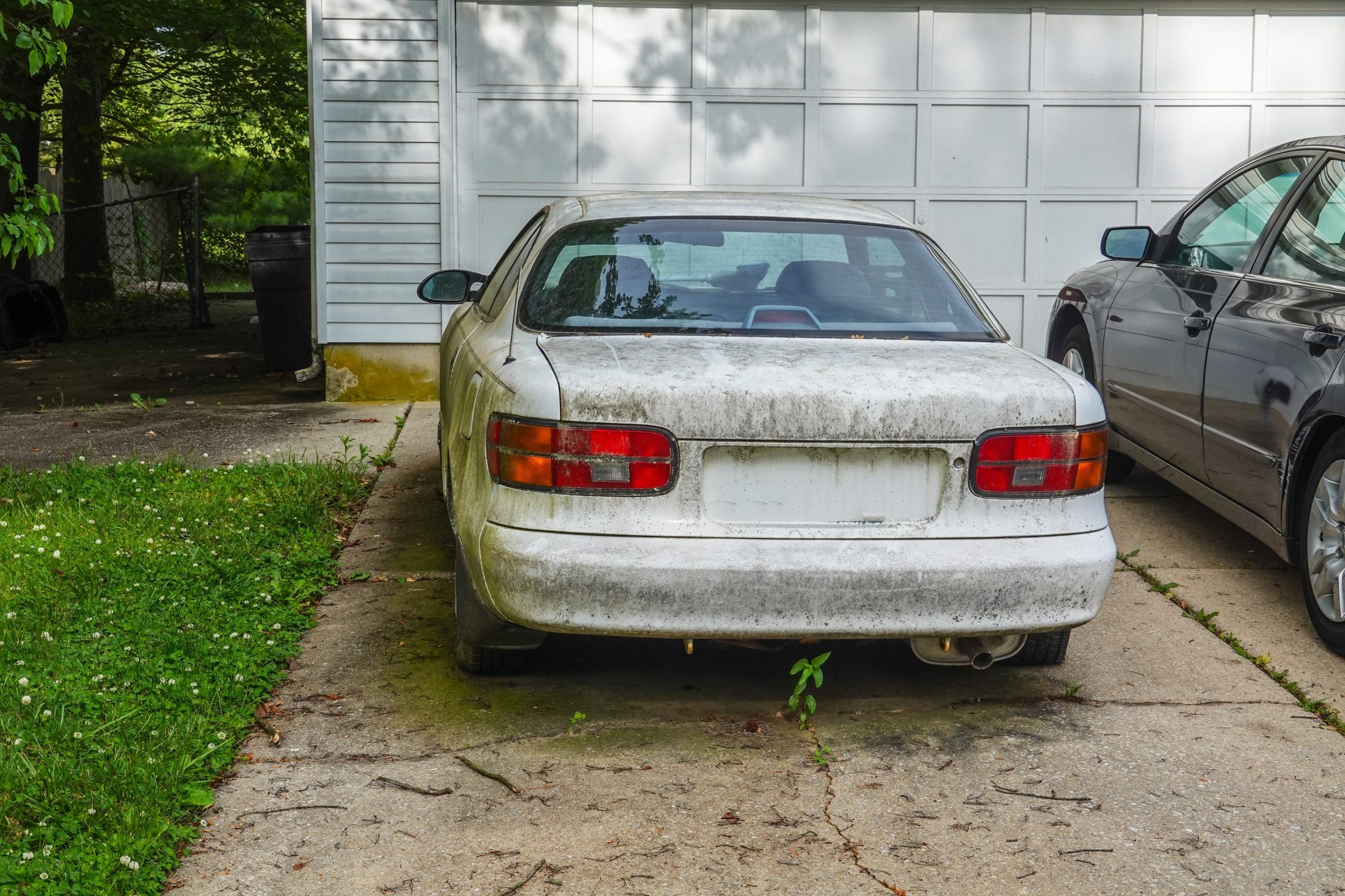
Determining how old is too old for a used car depends more on maintenance, mileage, and brand reliability than the model year alone. Cars under 5 years old offer modern technology and warranty coverage, while vehicles 5–10 years old can still deliver dependable performance with careful inspection. For cars 10 years or older, evaluating the brand, service history, and common repairs becomes essential, and classic models from the 70s, 80s, and 90s can still hold value for the right buyer. This guide breaks down age brackets, reliability by brand, safety and technology considerations, maintenance costs, and tips for making a smart, confident purchase.
Phillips Buick GMC is proud to serve drivers throughout Sumter County, Lake County, and Orange County, Florida, offering a wide selection of vehicles, expert service, and genuine parts. Whether you’re shopping for a dependable used car or need maintenance for your current vehicle, our team is ready to assist. Visit or contact us today to explore our inventory and discover how we can help with all your automotive needs.
How Old is Too Old for a Reliable Used Car in 2026?
When deciding how old is too old used car models can be, age alone isn’t the full story. A car’s condition, service history, and brand matter more than the number on the title. Some well-kept vehicles from the 70s, 80s, or 90s still run strong today. In contrast, newer cars with poor care can face frequent problems. Understanding vehicle age vs reliability by brand helps buyers make safer, smarter choices.
Here’s a simple used car age guide 2026 to consider:
- 0–5 years old: Most cars are still under warranty and have the latest safety and tech features.
- 5–10 years old: Cars cost less, but repairs may become more frequent. Service history is key.
- 10–15 years old: Expect more maintenance and harder-to-find parts. Check reliability by brand.
- 15+ years old: These cars carry the highest risk. Safety features may be outdated, and repairs can add up.
Even for older models, well-maintained vehicles from trusted brands can be a smart buy. Used cars from the 70s, 80s, and 90s often hold charm and value but require careful inspection. Mileage, past repairs, and overall care are just as important as the car’s age.
What Are the General Age Brackets for Used Cars?
When thinking about how old is too old, used car buyers often use age brackets to estimate reliability and cost. The car’s year, miles, and upkeep affect its value more than age alone. Vehicle age vs reliability by brand is important, as some cars from the 70s, 80s, or 90s can last decades if maintained well. This used car age guide 2026 helps you understand typical risks and benefits.
- 0–5 years old:
- Most repairs are minimal.
- Warranty coverage is often active.
- Safety features and tech are modern.
- 5–10 years old:
- Prices drop, making cars more affordable.
- Repairs start to become more common.
- Service records are key to evaluating condition.
- 10–15 years old:
- Parts may be harder to find.
- Mechanical issues can be more frequent.
- Brand choice matters more than age alone.
- 15+ years old:
- High risk of breakdowns and costly repairs.
- Many older cars lack modern safety features.
- Used cars from the 70s, 80s, or 90s need careful inspection.
Understanding these brackets helps buyers balance cost, safety, and reliability. Even older vehicles can be good choices when they come from reliable brands and have solid maintenance history.
How Does Vehicle Age Affect Reliability by Brand?
When considering how old is too old used car buyers must look at the brand as well as age. Some brands are known for lasting decades, even for used cars from the 70s, 80s, and 90s. Others may need more repairs as they age. A used car age guide 2026 shows that reliability often depends on both the maker and how well the car was maintained. Vehicle age vs reliability by brand is a helpful tool for making smart choices.
- Most reliable brands:
- Toyota and Lexus: Known for long-lasting engines and low repair costs.
- Honda and Acura: Strong performance over many miles if maintained well.
- Mazda, Kia, Hyundai: Modern models show steady improvements in reliability.
- Average reliability brands:
- Buick: Solid cars that can last with proper service.
- Chevrolet, Nissan, Subaru: Reliability can vary by model; check service history.
- BMW, Mercedes-Benz: Older luxury cars may need costly repairs despite strong design.
- Least reliable brands:
- Jeep, Dodge, Chrysler: Parts can fail more often as cars age.
- Tesla: Frequent repairs on early models, especially for electronics and battery systems.
Even older cars from the 70s, 80s, or 90s can perform well when the brand is known for durability. Always consider service history, mileage, and common issues alongside age. This approach helps buyers find vehicles that stay reliable longer.
What Should I Check Before Buying a Car Over 10 Years Old?
For many buyers, the question of how old is too old used car comes up when looking at vehicles more than a decade old. Cars over 10 years often need more care, but with the right checks, they can still be a smart purchase. Vehicle age vs reliability by brand matters, especially when considering used cars from the 70s, 80s, or 90s. A used car age guide 2026 can help prioritize what to look for before buying.
- Vehicle history report:
- Check for accidents, past owners, and service records.
- CARFAX or AutoCheck reports show maintenance and damage history.
- Mechanical inspection:
- Have a trusted mechanic check the engine, transmission, and brakes.
- Look for leaks, worn belts, or damaged components.
- Rust and body condition:
- Inspect undercarriage, wheel wells, and door frames.
- Minor scratches are okay, but heavy rust is a red flag.
- Safety features:
- Ensure airbags, seat belts, and brakes work properly.
- Check if anti-lock brakes or stability control are present.
- Test drive:
- Listen for unusual noises and check steering response.
- Make sure electronics, lights, and climate systems function.
- Maintenance records:
- Cars with consistent oil changes and service history are safer bets.
- Older cars with clear records are usually more reliable than newer neglected ones.
Taking these steps can help ensure a car over 10 years old remains a reliable and safe choice. Even used cars from the 70s, 80s, and 90s can offer strong value with proper care.
When is a Used Car Too Old for Safety and Technology?
When considering how old is too old used car, safety and technology are key factors. Older cars often lack modern features that protect drivers and passengers. Vehicle age vs reliability by brand matters, but even reliable models can miss newer tech. A used car age guide 2026 shows many vehicles over 15 years may not have standard safety systems. This includes some used cars from the 70s, 80s, and 90s.
- Airbags and seat belts:
- Cars before the late 1990s may not have side airbags.
- Seat belts may lack modern pretensioners or load limiters.
- Braking and stability systems:
- Anti-lock brakes (ABS) became common in the 1990s.
- Electronic stability control (ESC) was standard on most cars after 2012.
- Driver-assistance features:
- Blind-spot monitoring, lane-keeping assist, and automatic braking are rare before 2015.
- Older cars may lack these features entirely.
- Infotainment and connectivity:
- Modern touchscreens, Bluetooth, and smartphone integration were not standard before the 2010s.
- Vehicles from earlier decades often lack even basic audio upgrades.
Choosing a car that is too old for modern safety can raise risks, even if it is mechanically sound. Prioritizing vehicles with updated safety features ensures peace of mind for daily driving.
How Does Vehicle Age Impact Maintenance and Repair Costs?
As cars get older, maintenance and repair costs usually rise. A how old is too old used car question often comes down to affordability. Vehicle age vs reliability by brand matters, since some brands hold up better over time. A used car age guide 2026 shows that older vehicles, including used cars from the 70s, 80s, and 90s, often need more frequent service. Parts can wear out, and finding replacements may take longer.
- Routine maintenance:
- Oil changes, brakes, and filters cost more as cars age.
- Older models may require specialized or hard-to-find parts.
- Unexpected repairs:
- Engines, transmissions, and electrical systems may fail more often.
- Labor costs can rise when repairs are complex or rare.
- Brand differences:
- Some brands maintain reliability longer, reducing repair frequency.
- Others may show major issues after 10–15 years.
- Wear and tear:
- Suspension, tires, and exhaust systems often need replacement.
- Interior and exterior parts can degrade faster in older vehicles.
Understanding how age affects costs helps plan your budget and avoid surprises. Choosing a model known for longevity can save money in the long run.
What is the Sweet Spot for Buying a Used Car?
Finding the right age for a used car can save money and stress. The sweet spot balances cost, reliability, and modern features. Vehicle age vs reliability by brand plays a key role, as some cars hold up longer than others. A used car age guide 2026 shows that models from the last 5–10 years often hit this balance. Older models, including used cars from the 70s, 80s, and 90s, may offer lower prices but higher maintenance.
- 5–10 years old:
- Many cars have depreciated but still run reliably.
- Modern safety features and tech are often included.
- Under 5 years old:
- Lower mileage, newer components, fewer repairs.
- Higher price compared to older used cars.
- Over 10 years old:
- Older models can be affordable.
- May need more repairs and lack newer safety features.
- Brand considerations:
- Some brands maintain performance longer, making older models safer bets.
- Researching vehicle age vs reliability by brand helps avoid costly surprises.
Choosing the sweet spot gives the best mix of value, reliability, and features. It’s smart to check service records and inspect carefully before buying.
Are Extended Warranties Worth It for Older Used Cars?
Extended warranties can offer peace of mind, especially for cars over 10 years old. Vehicle age vs reliability by brand matters here, as some models need more repairs sooner. A used car age guide 2026 shows that older vehicles, including used cars from the 70s, 80s, and 90s, are more likely to face costly repairs. Choosing the right coverage depends on the car’s condition, mileage, and your comfort with repair risks.
- Benefits of extended warranties:
- Covers major repairs that may cost hundreds or thousands.
- Reduces stress about unexpected breakdowns.
- Helpful for brands known for expensive repairs.
- When it might not be worth it:
- Very reliable brands or low-mileage cars may rarely need major repairs.
- Monthly or upfront costs could exceed actual repair expenses.
- Tips before buying coverage:
- Check the car’s service history.
- Compare costs of repairs vs warranty price.
- Consider your budget and risk tolerance.
For older used cars, an extended warranty can be a smart investment, but careful research ensures you get value without overspending.
How old is too old for a used car—general rule of thumb?
Most cars remain reliable up to 10–12 years, though this varies by maintenance history and brand.
How does brand and model history affect acceptable age thresholds?
Brands with strong reliability records can remain dependable longer. Models with known issues may require extra caution even at younger ages.
When does age (not just mileage) become a red flag for repair costs?
Age becomes a concern when cars are over 12 years old, parts become harder to find, or rust and wear affect critical systems.
Which brands tend to remain reliable even when older?
Vehicles from brands with historically strong reliability—like certain Buicks and GMC models—often perform well beyond 10 years with proper care.
How should buyers weigh price savings vs potential age-related risks?
Consider lower purchase costs against higher potential maintenance or repair bills. Older cars may save money upfront but cost more over time.
Find a Used Car That’s Right for Your Needs at Phillips Buick GMC
If you’re shopping for a used car in Sumter County, Lake County, or Orange County, Florida, we’re here to help. Our lot features a wide range of vehicles, including used cars from the 70s, 80s, and 90s. Whether you want a classic ride or a more recent model, we can guide you to a dependable choice.
Many drivers rely on our expertise to find vehicles built to last, such as those highlighted in our resources about the GMC cars most likely to last 10+ years, Buick cars that often last a decade, and the best model years to buy a used Buick. You can explore our full selection online or stop by the dealership to see our cars in person. Visit us or contact us today—our team is ready to help you find the right car at the right price.
Get Directions to Phillips Buick GMC
Disclaimer: All information is provided for general informational and entertainment purposes only. While we strive for accuracy, we cannot guarantee that all content is complete, current, or error-free. Any reliance you place on such information is strictly at your own risk. This article may include opinions and is not endorsed by, or officially affiliated with, any vehicle manufacturer or brand. Always consult official sources – such as the vehicle’s owner’s manual, authorized dealerships, or certified professionals – for the most up-to-date and personalized information.
Connect with us


Recent Blog Entries
- GMC AT4 vs. Elevation: Which GMC Truck Trim Is Right for You?
- Phillips Transparency Pricing – No Hidden Fees | Price Match Guarantee
- 2026 Buick Enclave Review — 7 Powerful Reasons It’s the Best SUV for The Villages, FL
- 2026 GMC Sierra 1500: Premium Power for The Villages, Ocala, Mt. Dora & Central Florida
- Which Used Cars Use E-85 Gas? Cars to Help Save on Gas [2026]
